

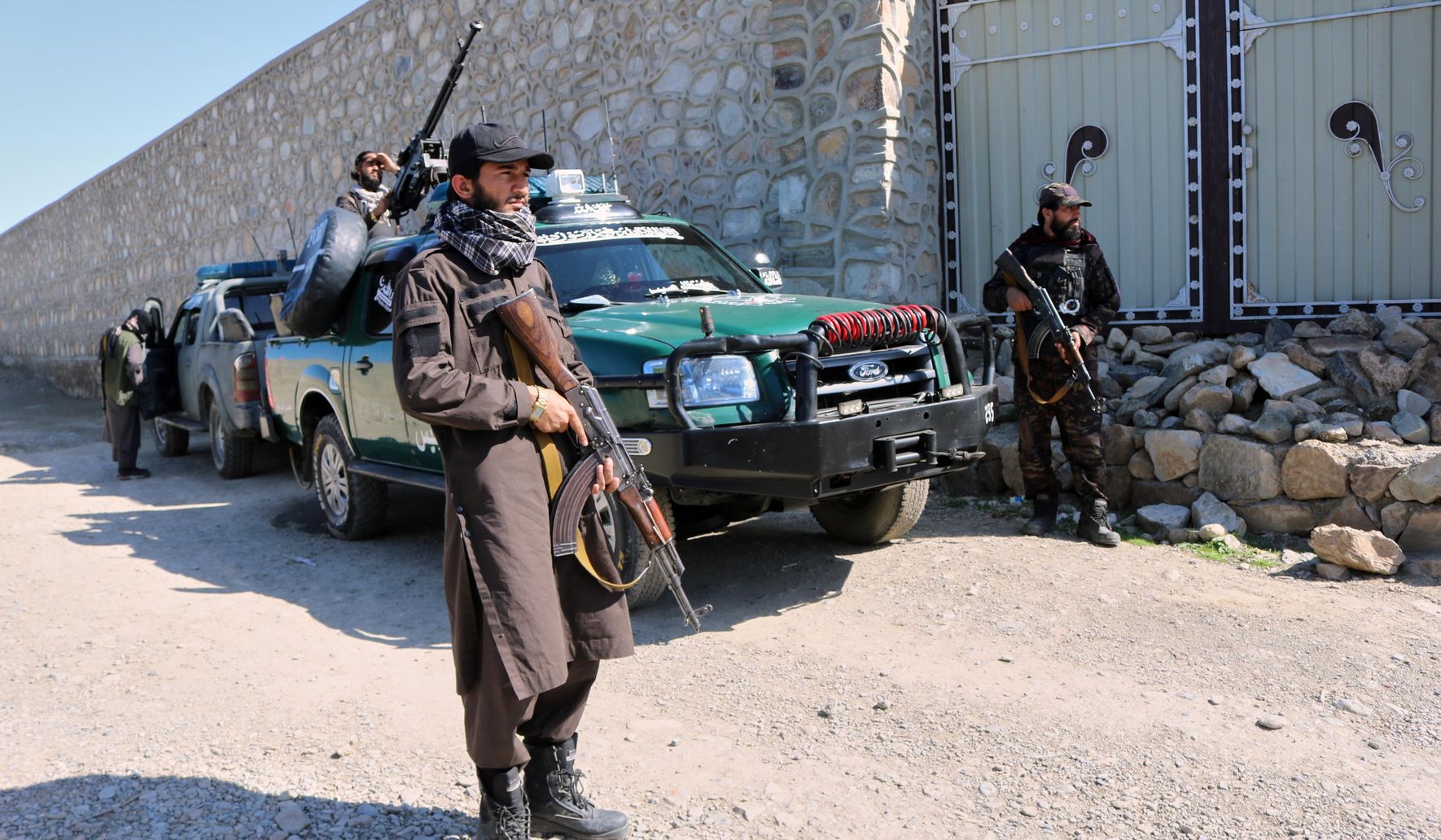
Afghanistan’s government accused Pakistan’s military of shelling the outskirts of an eastern Afghan city on Sunday, killing one person and wounding more than a dozen. The incident adds to a string of cross-border confrontations that have strained regional stability and worried residents living along unstable front lines.
The Afghan government publicly blamed Pakistan’s military for strikes on the outskirts of an eastern city, saying one person was killed and more than a dozen were wounded in the attack on Sunday. Local officials described damage to homes and vehicles near the city edge, and hospital staff reported treating people with blast and shrapnel injuries. Reports from the scene painted a grim picture of families scrambling for cover as rounds landed in populated neighborhoods.
Officials in Kabul issued sharp statements condemning the shelling and demanded clarity about why the strikes occurred and who ordered them. They called for independent verification, saying the strikes violated Afghan sovereignty and put civilians at risk. Those remarks reflect long-standing frustration inside Afghanistan over recurring cross-border violence that residents say disrupts daily life and commerce.
Pakistan has long maintained that some cross-border operations are aimed at militant safe havens, while Afghan voices emphasize the civilian toll and the hazards of indiscriminate fire. This latest episode highlights the blunt reality that the border remains a flashpoint where military action, militant activity, and civilian vulnerability intersect. Neighbors already on edge now face renewed fear that any flare-up could escalate without clearer rules of engagement.
The human impact is immediate and heartbreaking, with local medical facilities pushed to handle wounded people and grieving families left without answers about loss. Witnesses described chaotic scenes as first responders moved through dust and rubble to reach the injured, and community leaders warned of longer-term disruption to markets, schools, and the flow of aid. When bullets and shell fragments reach areas where people live and work, the daily routines that keep a community functioning slide toward instability.
From a policy perspective, the incident feeds into broader debates about how, and whether, outside powers should press for accountability or de-escalation along contentious borders. Republicans often point to such incidents as evidence that a firmer posture and clearer deterrence are needed to prevent small clashes from morphing into larger crises. That view stresses holding state actors responsible and reinforcing protective measures for vulnerable populations in border regions.
Regional players and international observers will watch how both sides respond in the coming days, whether through diplomatic channels or further military moves that could trigger reprisals. For now, residents of the eastern city are left to pick up the pieces, treat the wounded, and wonder what happens next when shells fall where families live. The immediate priority for local leaders is tending to people harmed in the shelling and preventing further civilian casualties while the wider political fallout begins to take shape.

