

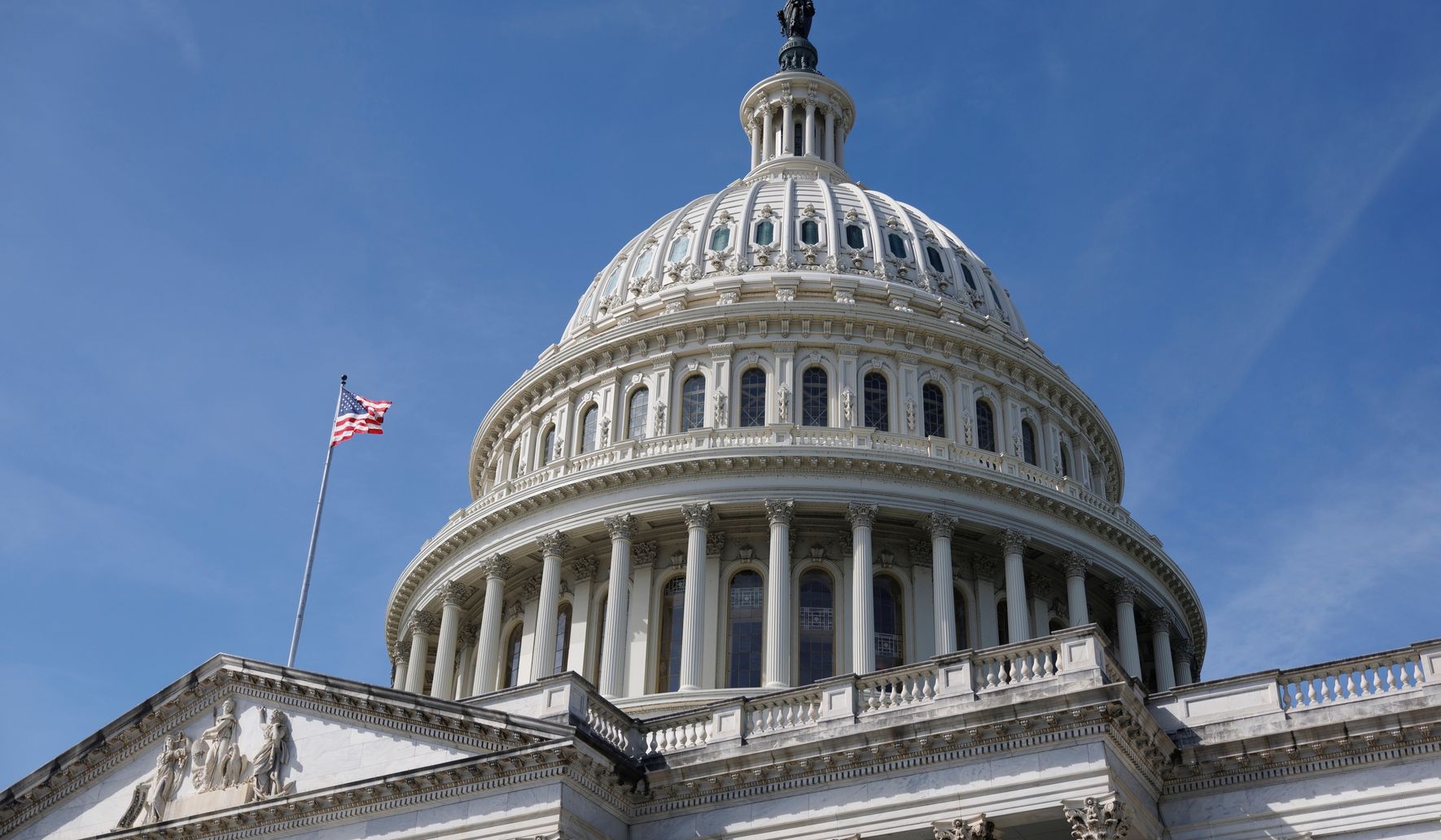
The Department of Homeland Security has entered an unprecedented shutdown that eclipses last fall’s 43-day halt, and the fallout is already reshaping the political debate around border security, federal staffing, and budget priorities.
Washington is watching a federal rupture that won’t be fixed by faint promises or bureaucratic spin. Republican leaders are pointing to mismanagement and misplaced priorities while urging a hard look at where taxpayer dollars actually go. The human cost is immediate: border agents, TSA officers, and emergency personnel are left in limbo as operations stretch thin.
“The Department of Homeland Security shutdown on Monday surpasses last fall’s record 43-day, government-wide shutdown.” That single line captures a new low for national governance, and it should trouble anyone who cares about law and order. When a department tied to national safety is stalled, the consequences ripple through communities and commerce alike.
Border crossings and drug flows don’t pause for political theater, and neither do the threats that DHS is designed to counter. With staff shortages and withheld resources, response times slip and morale collapses, which makes an already hard job far more dangerous and less effective. Conservatives argue this is a self-inflicted wound created by a refusal to prioritize mission-critical funding.
Congress is supposed to be a fixes-first body, but partisan grandstanding has turned routine appropriations into a weapon. Republicans say the solution is simple: fund the mission, secure the border, and then debate reforms. That approach insists on protecting citizens and frontline workers first, instead of using their paychecks as leverage in unrelated political fights.
At the core of the row are competing visions for homeland security and immigration enforcement, yet real people are sitting on the front lines. We see anonymous promises to “work across the aisle” while the facilities and agents that carry out federal law suffer. A practical agenda from Republicans has emphasized targeted funding for ports of entry, more personnel, and tougher enforcement against criminal networks exploiting open gaps.
Fiscal responsibility is also part of the conservative message: funding must be focused, accountable, and tied to measurable outcomes. Throwing unlimited cash at bureaucratic programs without oversight only deepens waste and erodes public trust. Republicans want audits, clear performance metrics, and a return to funding that respects both taxpayers and security needs.
The political calculus matters, but so do contingency plans for what happens next. States and localities will increasingly bear the burden if federal responsibilities remain unfunded, and private industry will face higher costs and delays at ports and airports. Republican voices argue for contingency budgets and emergency authorities that keep essential functions running while policy fights continue in Congress.
Public messaging is part of the fight, and conservatives are pushing a tight, blunt narrative: protect the homeland now, argue policy later. That messaging is designed to force clearer choices on the record and break the habit of letting prolonged shutdowns become acceptable. In the end, voters will weigh which approach actually keeps communities safer and preserves core government functions.
Accountability will follow when votes are cast and hearings convene, but for now the practical question remains simple and urgent: who will ensure homeland security functions continue without disruption? Republicans are framing the answer around mission-first funding, stronger border enforcement, and stripped-down spending that focuses on protecting Americans and supporting the professionals charged with that work.

