

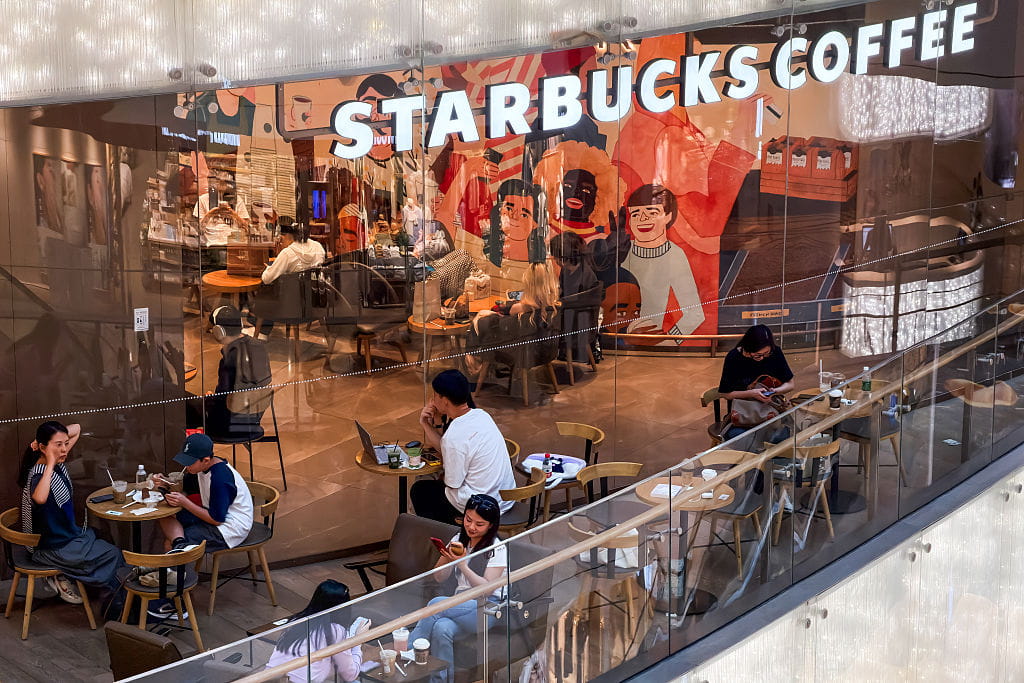
Many people now live between two main settings — home and work — and that shift has reshaped how we socialize, unwind, and structure daily life.
For a great number of people, life has narrowed to two dominant places: the household and the workplace. The pandemic accelerated that pattern, collapsing commutes and turning kitchens into offices, which left fewer opportunities for casual social contact. With fewer in-between spaces, routines tightened and leisure time often folded into the same physical spots where we do everything else.
Before recent years, people used a range of public and semi-public places to break up the day: coffee shops, parks, clubs, libraries and neighborhood hangouts. Those spaces provided informal interaction, a change of scenery and a buffer between home responsibilities and paid work. Losing those options can make days feel repetitive and make friendships harder to maintain when interactions are squeezed into scheduled times.
Relying on just two settings affects mental energy and social rhythms. Home can become both sanctuary and pressure cooker, where chores, family needs and work demands compete. The workplace can feel like the only other zone where identity and productivity get external validation, which narrows the range of experiences that help people recharge and stay connected.
When the line between work and personal life blurs, simple acts like running errands or meeting a friend for coffee take on extra weight. Those quick, casual contacts used to be low-effort ways to refresh the day and sustain relationships. Without them, friendships require more deliberate planning, and spontaneous encounters that once helped maintain social bonds happen far less often.
Technology filled some gaps by enabling virtual meetups, online communities and remote collaboration, but screens don’t always replace the nuance of in-person presence. Video calls are efficient for tasks and scheduled check-ins, yet they rarely reproduce the casual banter or nonverbal cues that come from being in the same physical space. Relying solely on digital connection can make social life feel transactional instead of lived-in.
Cities and neighborhoods are reacting by rethinking how public space can foster casual encounters again. Small design choices like benches, pocket parks, and pedestrian-friendly streets invite short stops and incidental conversation. Local businesses that welcome lingering — not just quick transactions — help recreate the kind of low-commitment social moments that used to occur naturally.
At the personal level, restoring variety to daily life means finding or creating places that aren’t strictly home or work. That could be a regular walk route where you notice familiar faces, a standing lunch with neighbors, or a volunteering gig that fits your schedule. The point is to build small rituals that give you a change of scene and a chance to connect without turning every interaction into a major event.
Employers and organizations can also play a role by recognizing the limits of binary life patterns and supporting flexible ways to mix social and professional time. Casual in-person gatherings, coworking options, or occasional team meetups can reintroduce the unstructured interactions that help teams and individuals thrive. When work culture allows for human connection beyond task lists, people regain a sense of variety in their days.
Bringing back a sense of three or more meaningful places doesn’t require dramatic upheaval. It often begins with small choices: accept an invitation to a neighborhood event, try a new café for an hour, or carve out a weekly slot for an offsite hobby. Over time, those modest shifts can rebuild the informal social fabric that keeps life balanced and less cramped by the twin poles of home and work.

