

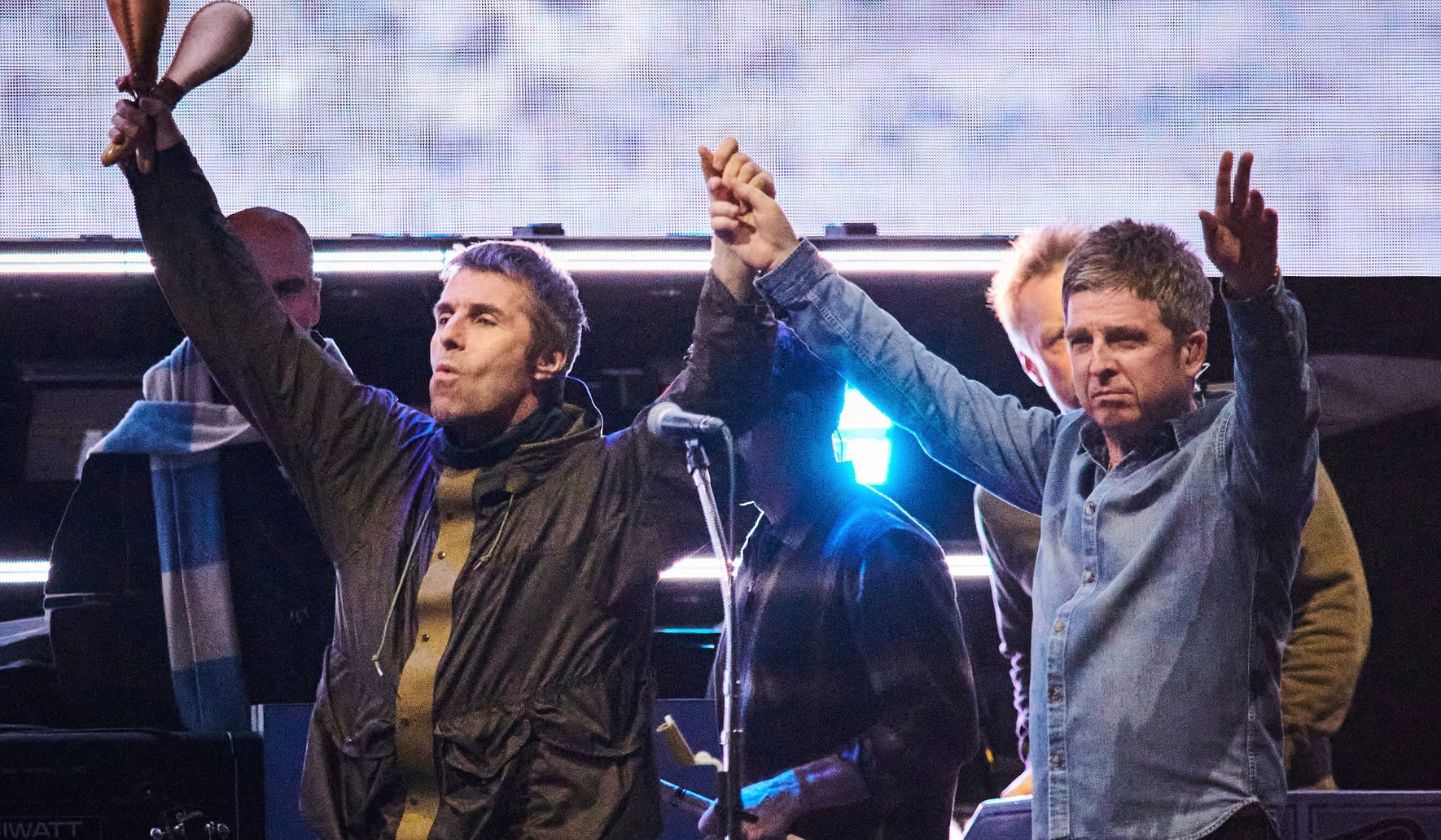
The Rock & Roll Hall of Fame announced a diverse class of inductees: Phil Collins, Iron Maiden, Billy Idol, Queen Latifah, Oasis, Sade, Joy Division/New Order, with first-time nominees including Wu-Tang Clan.
The newest Hall of Fame class reads like a cross-section of modern music: veteran pop and rock stars, pioneering metal, influential hip-hop, and soulful voices. That mix highlights how the Hall tries to balance mainstream chart success with cultural and stylistic impact. For some fans, the choices feel overdue; for others, they raise fresh debates about what belongs under the rock and roll banner.
Phil Collins lands in the lineup as an icon of stadium pop and progressive rock crossover, a career that spans drumming, fronting Genesis, and massive solo hits. His induction reignites familiar arguments about genre boundaries and whether chart dominance equals a place in rock history. Regardless, his catalog and influence are undeniable across multiple generations of listeners.
Iron Maiden’s inclusion marks another moment of heavy metal getting mainstream acknowledgment from a Hall that has often been cautious about the genre. For metal fans this is recognition of decades of songwriting, musicianship, and devotion from a band that helped define the sound and spectacle of modern metal. Their presence makes the class feel broader and more representative of guitar-driven subcultures.
Billy Idol and Oasis bring punk attitude and Britpop swagger into the room, respectively, showing how rebellion and image remain parts of the rock conversation. Billy Idol’s punk-to-pop trajectory illustrates how the energy of an underground movement can be recast for stadium audiences. Oasis, despite internal drama and polarizing reviews over the years, helped define a generation of British guitar music and left a catalog that still resonates.
Queen Latifah’s induction is a clear nod to hip-hop’s legacy moving into institutional recognition, highlighting artists who broke through genre walls and influenced fashion, film, and social commentary. Her career blends music with acting and cultural leadership, which expands the Hall’s scope beyond traditional rock templates. Placing her among rock inductees acknowledges that hip-hop’s rhythms and narratives are central to modern musical history.
Sade’s selection underscores an often-overlooked strand of soul and quiet intensity in popular music, a style that favored mood and texture over arena theatrics. Her voice and production helped carve out a sophisticated space in late 20th century music that still informs contemporary R&B and pop. Recognizing Sade signals attention to subtle, enduring artistry as much as to chart-topping hits.
The combined listing of Joy Division/New Order reflects a complicated but crucial chapter in post-punk and electronic transition, where tragedy and innovation collided. That lineage traces how raw post-punk evolved into synth-driven sounds that dominated alternative music for decades. Including both iterations underscores how band evolution can matter just as much as a single era’s output.
Wu-Tang Clan’s first-time nomination and inclusion points to hip-hop groups finally claiming space at the highest tables of music history. Their influence on lyrics, production, and independent business models reshaped what a musical collective could achieve. Bringing them into the Hall changes the narrative about which artists the institution sees as foundational to the modern musical landscape.

