

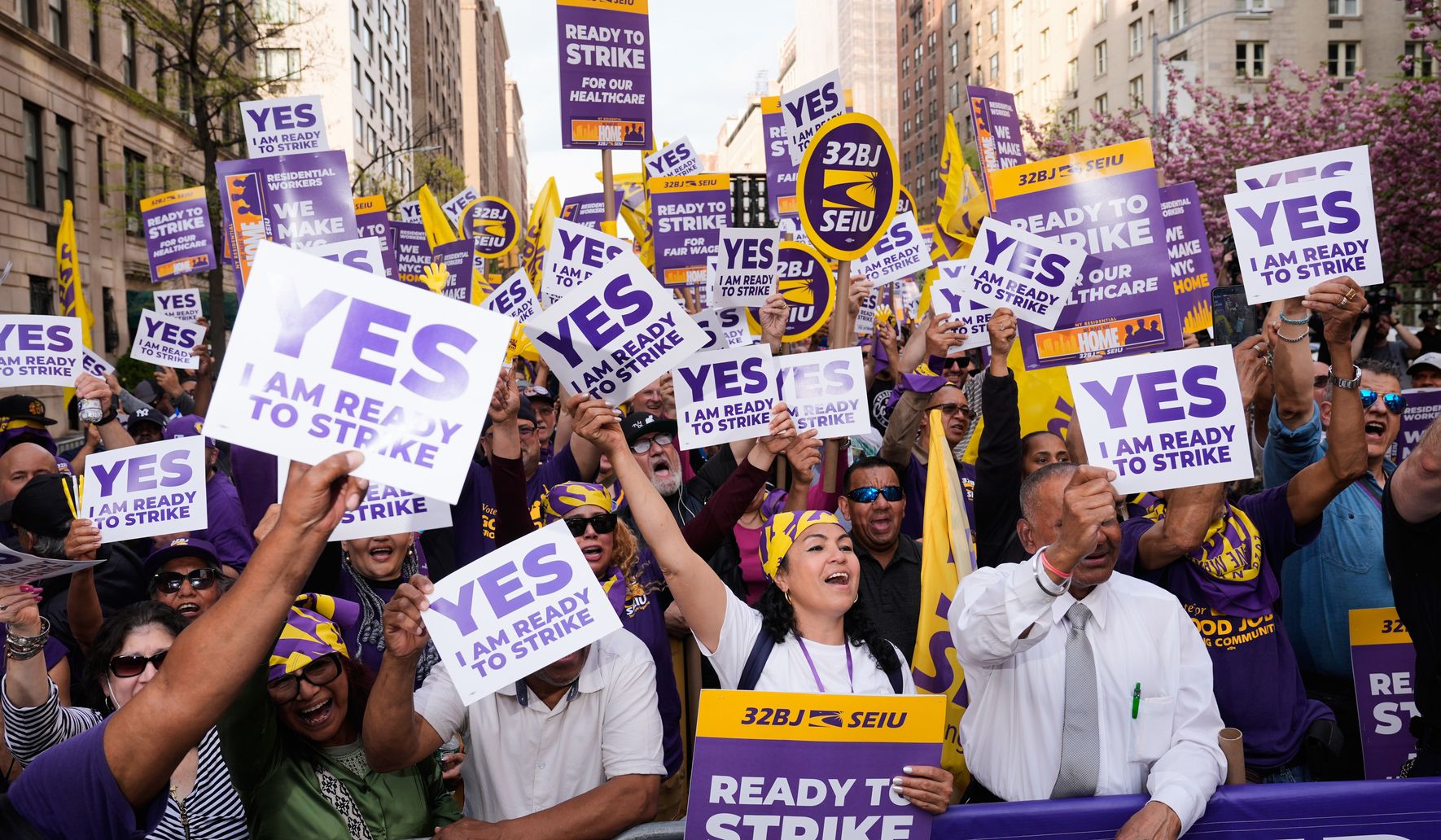
Thousands of New York City building staff voted to authorize a potential strike after contract talks stalled, giving workers leverage as negotiations over pay, benefits and working conditions remain deadlocked.
Thousands of New York City apartment building doorpersons, superintendents and related staff voted Wednesday to authorize a potential strike after contract negotiations stalled. The authorization gives union leaders the ability to call a work stoppage if talks do not move forward. Members say they backed the measure to pressure employers into addressing core demands.
Union representatives framed the vote as a response to stalled bargaining and a growing sense that employers were not meeting frontline workers’ needs. Officials cited concerns over wages that lag behind the rising cost of living. They also emphasized issues around staffing, scheduling and access to benefits as persistent sources of friction.
Building managers and employer groups pushed back, saying they are under financial pressure from maintenance costs, property taxes and insurance. They warned a strike would disrupt daily life for residents and could damage buildings’ operations. Landlords said they are open to negotiations but need workable proposals that balance tenant needs with the realities of building budgets.
For tenants, a strike of doorpersons and supers could mean reduced security, slower maintenance and fewer staff to handle deliveries and emergency calls. Many residents voiced concern about how quickly buildings would be able to respond to issues without regular staff on duty. Tenant leaders urged both sides to find a deal that keeps essential services running while respecting workers’ demands.
Negotiations have seen intermittent progress, with both sides trading proposals and counterproposals. Union leaders say previous offers failed to meet minimum expectations, and they pointed to long hours and understaffing as reasons members felt compelled to authorize a strike. Employer negotiators say they have presented compromises but need sustainable cost frameworks.
As the authorization gives the union leverage, labor strategists noted that such votes are often bargaining tools rather than immediate plans for a walkout. The move increases pressure on employers to return to the table with more substantial concessions. It also signals unity among workers across many buildings, which magnifies potential impact if a strike were called.
City officials have stayed in contact with both sides and expressed concern about possible disruptions to daily life in dense residential neighborhoods. Municipal leaders emphasized the importance of a swift, negotiated settlement that avoids prolonged interruptions. Meanwhile, housing advocates urged mediation to prevent harm to vulnerable tenants who rely on on-site staff.
Any actual strike would require additional steps before it could begin, including timing and essential services arrangements. Unions typically coordinate notice periods and essential staffing plans to comply with legal and safety requirements. Both sides face incentives to resolve the dispute before a work stoppage becomes necessary.
The authorization vote underscores broader tensions in urban housing markets where costs rise but building budgets and staffing models lag behind needs. For workers, the vote represents a push for better pay, benefits and safer staffing levels. For managers and owners, it highlights financial pressures that complicate immediate, large-scale concessions.
With bargaining still active, all parties said they were prepared to continue discussions in hopes of reaching an agreement. The vote itself creates urgency and narrows the window for negotiations before a potential escalation. Observers expect more public updates as talks resume and each side evaluates next steps.

