

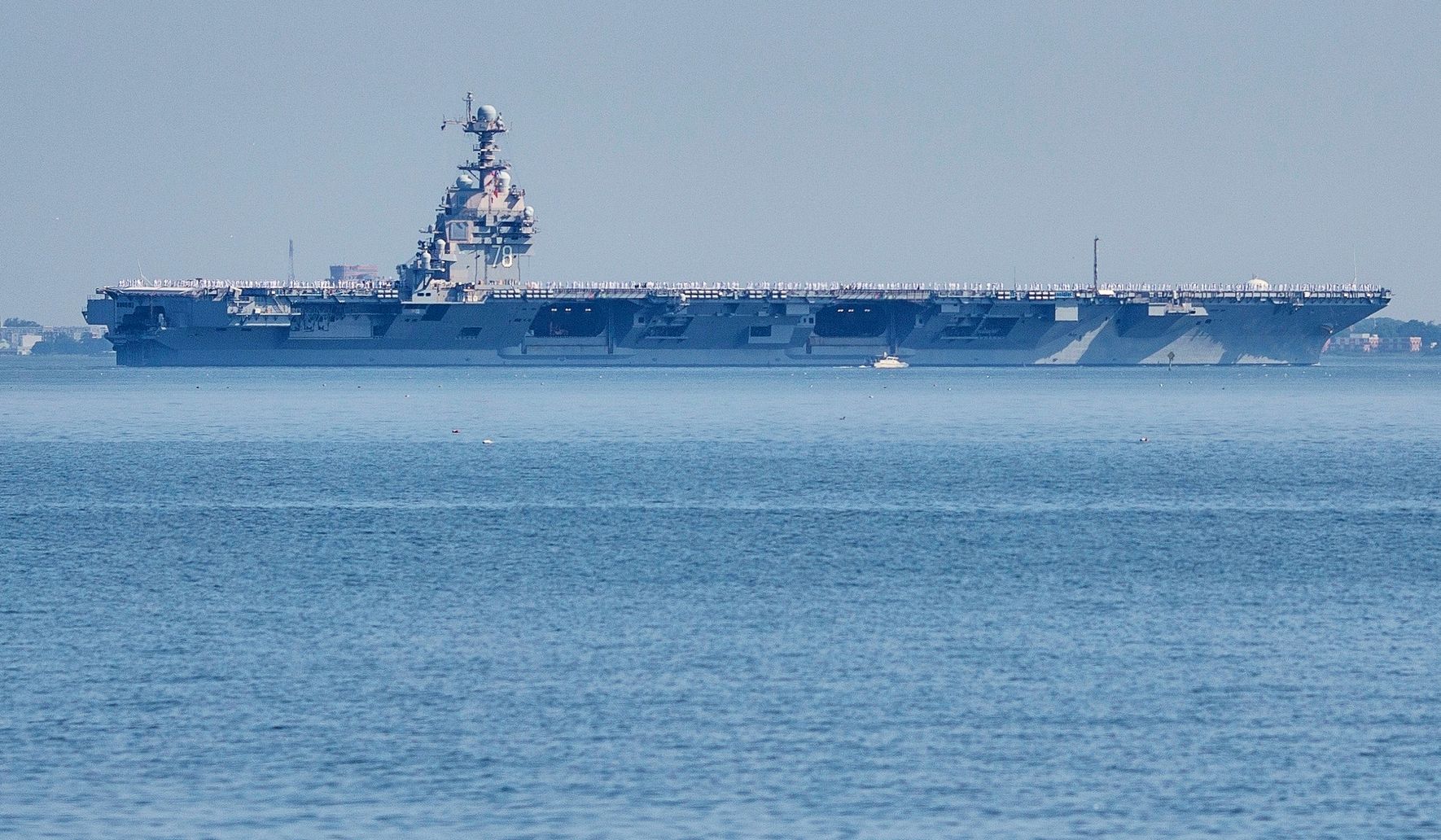
The USS Gerald R. Ford set a new U.S. post-Vietnam deployment record with a nearly 10-month tour
The USS Gerald R. Ford, the world’s largest aircraft carrier, completed a record-setting deployment Wednesday, logging the longest U.S. deployment since the Vietnam era at roughly ten months. That stretch put the carrier through a wide range of operations and high-tempo missions across multiple regions. Sailors, air wings, and support crews all faced an extended cycle away from home, testing endurance, logistics, and readiness. The deployment’s length and scope have added fresh data points for planners and policymakers thinking about carrier workups and forward presence.
The ship’s extended time at sea reflected operational demand and the Navy’s effort to keep a powerful surface presence on critical sea lanes. Aircraft carriers are mobile bases that project power and offer leadership options in crises without commitment of ground forces. A ten-month deployment underscores how the service balances global commitments with maintenance cycles and crew rest. For the Ford class, the cruise also highlighted ongoing adjustments around new systems and carrier integration.
Crew members described a mix of intensified tempo and professional pride as they carried out flight operations, replenishments, and port visits. Extended deployments strain families and morale, but sailors report strong cohesion when mission clarity and leadership are consistent. The ship’s air wing flew missions supporting allied operations and theater deterrence, while the carrier strike group’s escorts ensured protection and logistics. Those operational demands create lessons for scheduling, training, and sailor support programs.
Technically, the Ford-class brought new technologies that aimed to improve sortie generation and sustainment compared with older carriers. Innovative systems require time at sea to mature under real-world conditions, and long deployments accelerate that learning curve. Maintenance teams worked to keep systems operational without extended in-theater dock time, which demanded creative logistics and supply coordination. The results will feed into planned upgrades and maintenance windows for the rest of the fleet.
The deployment’s length also raised questions about overall fleet capacity and how many carriers the Navy can effectively keep forward. Prolonged tours increase wear on ships and crews and can compress scheduled maintenance across the force. Service planners track such trends to avoid gaps in presence or spikes in operational tempo that could degrade readiness. Lessons from this cruise will likely shape rotation policies and contingency planning in the near term.
Allied navies watched the carrier’s activities closely, since a continuous carrier presence can reassure partners and deter potential adversaries. Port calls and joint exercises along the way reinforced interoperability and signaling benefits that carriers uniquely provide. Those interactions also offered opportunities to test logistics chains, refueling, and cross-deck aircraft operations. Diplomacy at sea remains one of the subtle but important outputs of carrier deployments.
Families and support networks at home felt the effects of the extended timeline, and the Navy continues to refine shore-side services to help them manage long separations. Extended deployments often spark adjustments in leave, counseling, and family programs to reduce strain. Command leadership has emphasized clear communication, predictable scheduling when possible, and direct support for service members’ mental and physical health. Those human factors are as vital to sustained operations as ship systems and aircraft maintenance.
Operationally, the cruise validated aspects of carrier surge capability while exposing friction points in repair timelines and supply flows. When maintenance needs arose beyond what could be fixed underway, crews had to lean on forward logistics and planned at-sea workarounds. Those experiences produce practical doctrine changes and can shift how the Navy stages spare parts and technical expertise. Over time, those adjustments should shorten downtime and improve carrier availability.
Strategic watchers noted that a ten-month carrier deployment is both a statement and a stress test. It signals commitment to allies and deterrence posture, but it also pressures the force of the future. As the fleet modernizes and budgets remain contested, decisions about carrier numbers, maintenance pacing, and deployment lengths will carry bigger consequences. The lessons from this deployment will be weighed alongside force structure debates and modernization priorities.
Shipboard life during the extended cruise mixed routine maintenance cycles with high-tempo flight operations and frequent coordination across the strike group. Training, qualifications, and repair teams stayed busy to sustain capability throughout the tour. Those continuous demands underscore how modern carriers are complex ecosystems that rely on people as much as machines. The Navy will use the experience to refine how it balances forward presence with long-term health of ships and sailors.
For now, the record reflects an accomplished crew and a Navy pushing to meet global responsibilities with available assets. The USS Gerald R. Ford’s nearly 10-month deployment will be parsed in reports, after-action reviews, and readiness assessments. That data will inform future deployment lengths, maintenance cycles, and how the service schedules its premier capital ships for maximum effect without burning out the force.

