

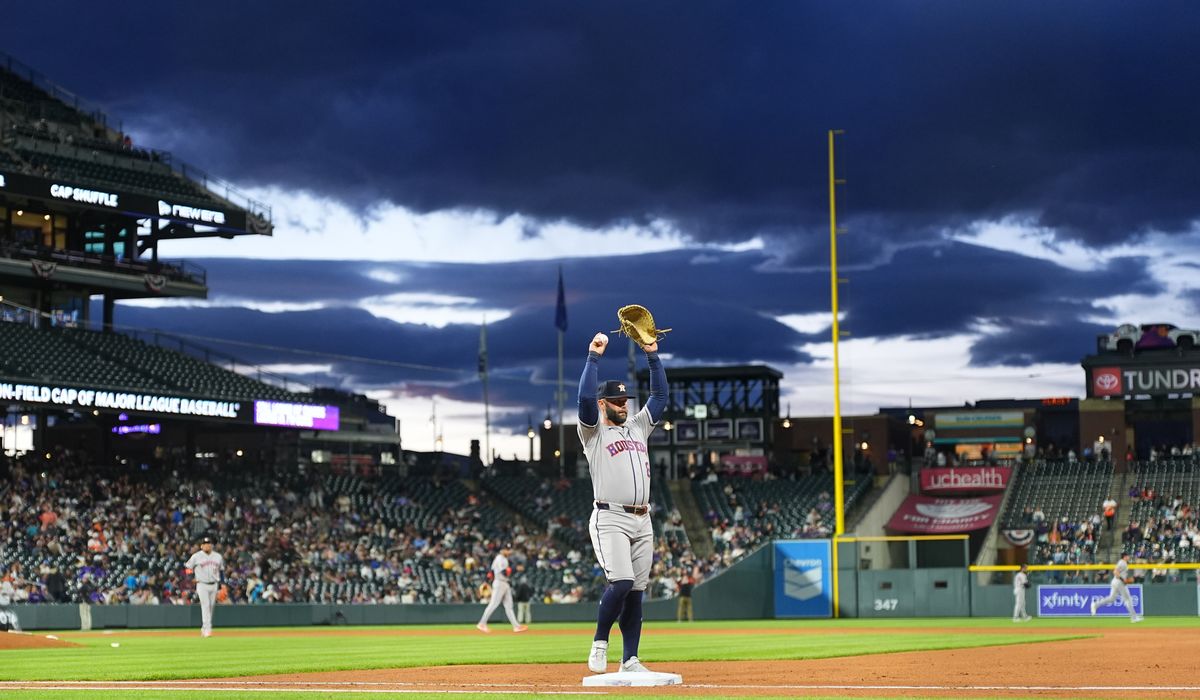
A string of drone sightings over Coors Field during the Colorado Rockies’ opening homestand against the Philadelphia Phillies forced a rapid law enforcement response as officials worked to locate the remote pilots and secure the ballpark. The incidents raised immediate safety concerns for fans and players, prompted coordination among local police and federal agencies, and left stadium staff reviewing how to prevent a repeat.
The sightings began during the team’s first homestand of the season and were reported by multiple people inside and outside the stadium. Fans noticed small unmanned aircraft moving near the seating bowl and above the field, which prompted calls to stadium security and local police. The visible presence of drones drew quick attention because they can interfere with play and pose unpredictable risks to anyone below.
Law enforcement arrived on scene quickly and started searching for the operators, using a mix of patrols and technical tools. Detectives and uniformed officers canvassed nearby neighborhoods where a drone operator might be launching the device. Agencies also consulted federal aviation resources to figure out whether restricted airspace or flight rules had been violated.
Stadium security moved to contain the situation without escalating panic among the crowd. Announcements asked fans to remain calm while the investigation unfolded, and staff focused on keeping clear sight lines and monitoring any suspicious activity. The goal was to keep fans informed enough to feel safe, while not turning routine caution into a full-blown disruption of the game.
From a safety perspective, drones present a complicated challenge in live events that mix large crowds and concentrated activity. A small quadcopter can fall from altitude, carry hazardous material, or distract a player at a crucial moment. Even without malicious intent, an errant drone can cause injuries or trigger an emergency response that diverts resources away from other needs.
Authorities are increasingly using electronic detection and tracking equipment to find drone pilots, including radio frequency scanners and visual identification tools. These systems can pinpoint where a remote is being operated, giving officers a starting point for searches. However, the technology is not foolproof, and operators who use pre-programmed flight paths or operate from private property can still be hard to trace quickly.
The Federal Aviation Administration has rules about flying unmanned aircraft near stadiums and large gatherings, and those regulations come into play during incidents like this. Operators flying within restricted distance or altitude, or over crowds, can face penalties and potential seizure of their equipment. Enforcement often involves coordination between local police and federal agencies to determine intent and jurisdiction.
Major League Baseball and individual teams also carry policies meant to deter drones at ballparks, with security plans designed for swift action when devices are spotted. Teams typically update those plans during the offseason to reflect new technology and recent incidents elsewhere. When drones show up during a game, staff follow a checklist to protect spectators and players until the threat is resolved.
Fans reacted with a mix of curiosity and concern, many pulling out their phones to record what they saw. Social media posts circulated quickly, spreading video clips and first-hand accounts that helped authorities piece together a timeline. While some viewers treated the sightings as an oddity, others pointed out the real danger and called for tougher enforcement.
Operators who deliberately aim drones at high-profile events face serious legal exposure, especially if their actions endanger people or interfere with emergency services. Criminal charges, civil liabilities, and federal fines are all possible outcomes when an investigation shows reckless or intentional behavior. Prosecutors often weigh evidence from witnesses, video footage, and technical data gathered during the search.
Coordinating multiple agencies is critical to a timely resolution, and that coordination was visible during the Rockies’ homestand response. Local police, stadium security, and federal aviation officials shared information to narrow down possible launch points and identify witnesses. That kind of collaboration speeds up investigations and helps determine whether additional resources, like drone mitigation teams, are needed.
Technological countermeasures exist but are regulated and typically restricted to law enforcement use, which complicates rapid deployment at public events. Jamming or taking control of a rogue drone can neutralize a threat, but those tactics carry legal and safety implications of their own. Lawmakers and agencies continue to debate how best to balance public safety with privacy and airspace rules.
The Rockies organization is likely to review its security protocols and work with partners to strengthen detection and response plans. Teams commonly revisit their emergency procedures after incidents to tighten vulnerabilities and update training. Fans expect clear communication and decisive action when something threatens safety at a game.
As summer brings more outdoor events and hobbyist drone use increases, the risk of similar encounters will remain. Organizers, law enforcement, and the flying public each have roles to play: event teams must plan, authorities must be ready to enforce rules, and remote pilots should operate responsibly. The recent events at Coors Field underline how quickly a routine game can require a rapid and careful security response.

