

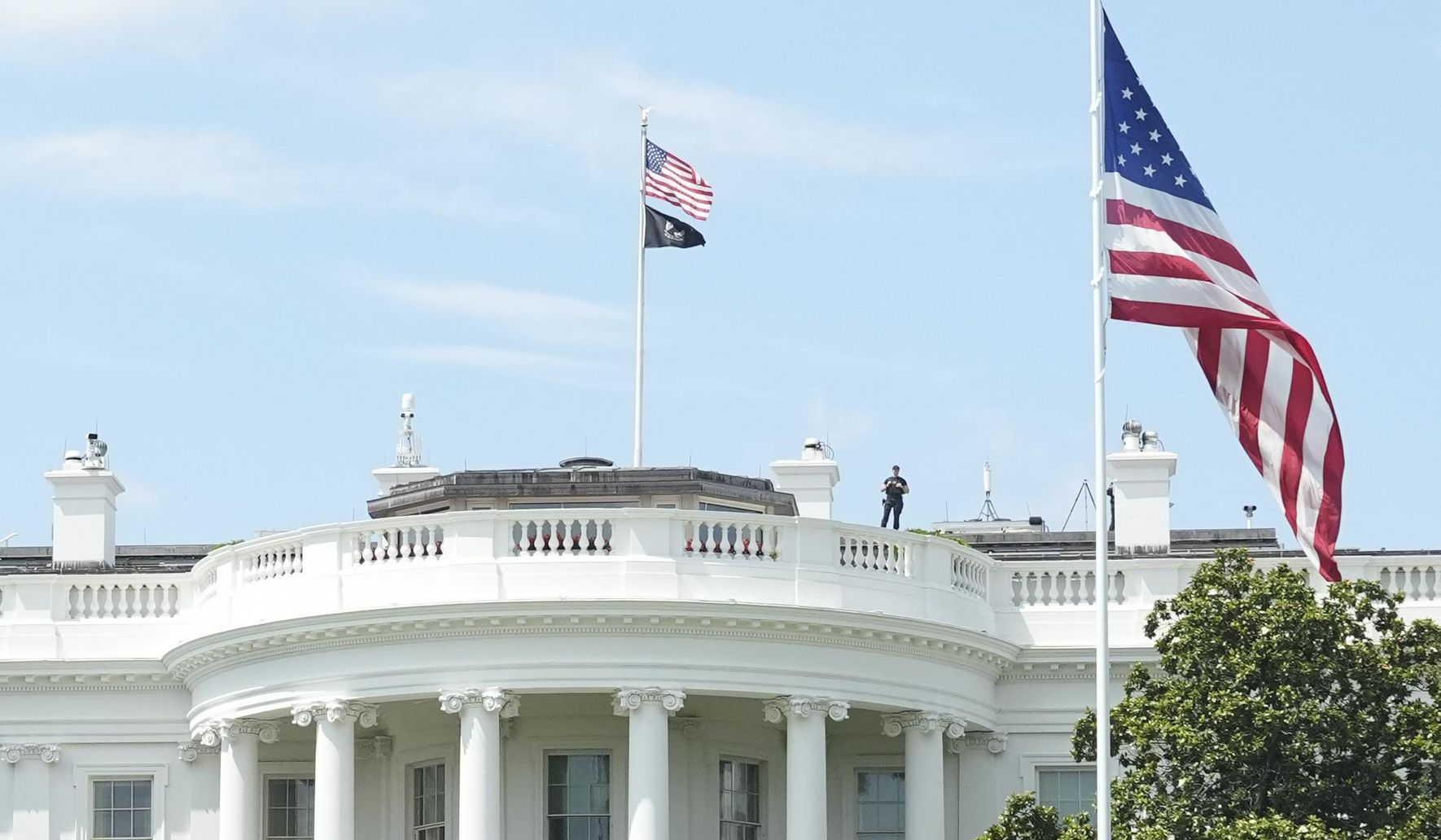
The Secret Service arrested a man on Thursday after he jumped a barrier near the White House and scuffled with agents, a swift action that highlights ongoing security risks around America’s most protected residence.
The scene near the White House on Thursday ended with federal agents taking a man into custody after he cleared a barrier and engaged in a physical exchange with Secret Service personnel. Officials described the encounter as a scuffle that followed the barrier jump, and the suspect was arrested at the scene. The incident underscores the constant vigilance required to protect the executive complex and those who work there.
This kind of breach, even when contained quickly, is a reminder that perimeter security is not optional. Barriers and patrols exist because the stakes are high, and agents cannot afford hesitation. When someone leaps a secured barrier and comes into contact with agents, it creates an unpredictable situation that can escalate in seconds.
From a law-and-order perspective, the right response is clear: support the Secret Service and ensure consequences for anyone who ignores federal protections. Protecting the people and property around the White House is a core responsibility of government, and federal officers must have the tools and authority to do that without second-guessing. Quick arrests in these moments are necessary to reestablish order and deter copycat behavior.
At the same time, we should expect clear, transparent follow-up from authorities so the public knows what happened and why. Details matter — how the incident unfolded, whether weapons were involved, and what charges will be filed. Transparency helps maintain trust in law enforcement and reassures citizens that security measures are effective and accountable.
Media coverage often treats these breaches as sensational anecdotes, but the reality is mundane and serious: an intruder on restricted federal grounds risks lives and national stability. A jump over a barrier may sound minor, but it’s an intentional act with potential for far greater harm. That’s why rapid intervention and arrests are not overreactions; they are the logical response to a clear threat.
Policy discussions should follow incidents like this without descending into partisan theater. Practical steps include reviewing perimeter strength, ensuring agents have up-to-date training, and confirming clear arrest and prosecution protocols. Republicans tend to favor robust security measures and firm consequences, and this event fits that framework: enforce the law, then evaluate openings or failures in the system.
Public officials must also communicate calmly and directly after such events. Overly politicized statements or premature conclusions only confuse the public and undermine confidence in law enforcement. A straightforward account of what happened, what charges are pending, and what immediate changes will be implemented is the responsible path.
We shouldn’t let a single incident define the overall effectiveness of the Secret Service, but we should use it to sharpen practices and close any vulnerabilities. Every breach is a learning opportunity for layered defenses — physical barriers, surveillance, patrols, and rapid-response teams all have to work in concert. Strengthening one element without the others is a recipe for gaps.
Citizens expect safety around their national institutions, and leaders must guarantee it. That expectation is not an attack on civil liberties; it’s simply the baseline of governance: secure the seat of power so the nation can function without interruption. When agents act swiftly and arrests are made, it demonstrates that protections are working as intended.
Finally, incidents like Thursday’s arrest should lead to sober, practical reforms instead of reactive posturing. Evaluate procedures, fund needed upgrades, hold anyone who broke the law accountable, and keep the public informed. Those steps deliver results and uphold public safety without sacrificing the principles that make the country free.

