

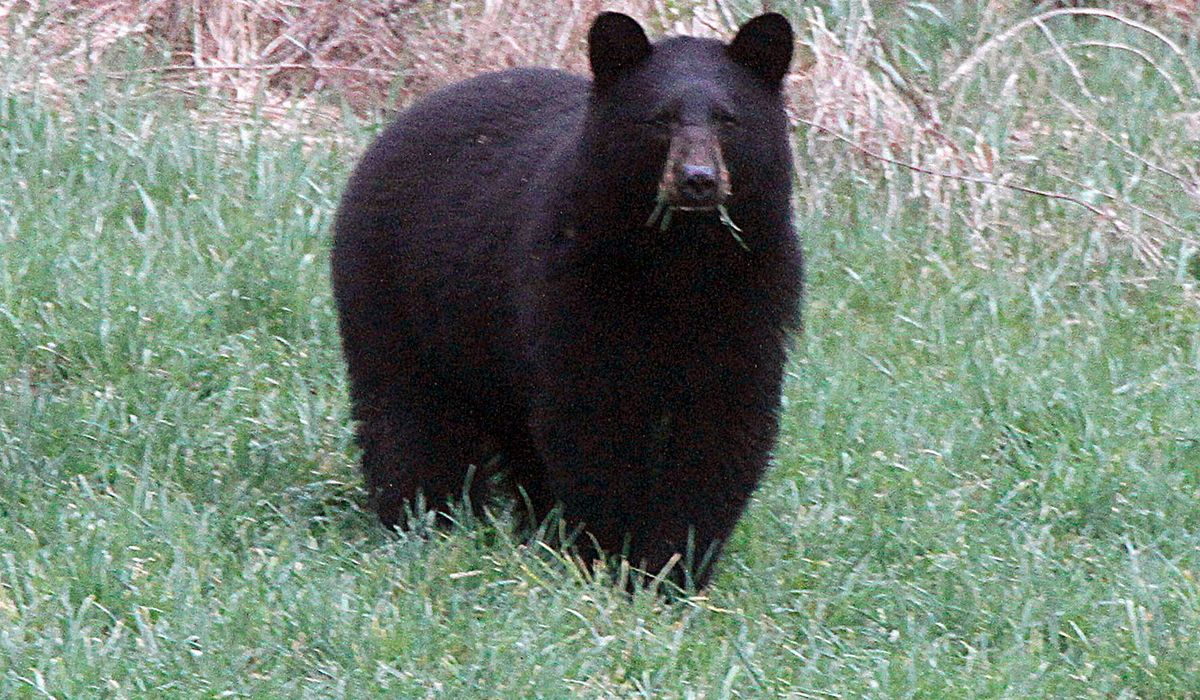
Three Los Angeles-area residents were convicted for using a bear suit to stage attacks on luxury cars to rake in insurance payouts.
The conviction centers on an unusual and brazen fraud scheme that drew attention because of its method as much as its motive. Investigators say the group used a bear costume to create the appearance of random vandalism and then filed claims for costly damage to high-end vehicles. The case highlights how small teams can exploit gaps in insurance oversight for repeated payouts.
Prosecutors described a pattern of staged incidents aimed at maximizing claim value, focusing on luxury cars that carry higher replacement and repair bills. Insurance companies, already wary of opportunistic claims, treated the cluster of reports as suspicious when details kept repeating. That pattern, combined with other evidence, was enough to convince a jury the acts were intentional rather than accidental.
Detectives and insurance investigators worked together to trace the claims back to known associates, using surveillance footage and claim histories to build a timeline. Financial records and communication logs often play a key role in linking people to staged events without needing a confession. Once those connections are made, the legal case moves from an insurance dispute into criminal territory.
Cases like this show why insurers invest in special investigative units and fraud analytics to spot anomalies. When multiple similar claims come from the same circle, it raises red flags that trigger deeper probes. Those tools are aimed at protecting policyholders from the higher premiums that follow widespread fraud.
The criminal side of these matters usually involves charges tied to fraud, conspiracy, and filing false insurance claims, which can carry serious penalties. Defendants facing such charges confront the risk of fines, restitution orders, and potential jail time if convicted. The consequences are meant to deter others who might see staged damage as an easy source of money.
Motives in organized schemes are straightforward: repeated, coordinated claims generate cash flow, and the perceived anonymity of public spaces or costumes can seem to shield participants. But coordination leaves a trail—patterns in timing, locations, and vehicles that investigators can analyze. That trail often proves decisive in court, especially when supported by digital records or eyewitness accounts.
Defense strategies in these prosecutions typically challenge the reliability of the evidence, question witness identifications, and argue alternative explanations for damage. Juries weigh whether the state proved intent beyond a reasonable doubt, and that standard can be difficult to meet without clear links. Still, strong documentary or video evidence tends to tip the balance in favor of conviction.
Beyond the courtroom, these incidents fuel calls for tighter claim monitoring and more robust cooperation between insurers and law enforcement. Technology—like pattern recognition in claims data and more ubiquitous camera coverage—plays a growing role in detection. For consumers, the upshot is that insurance fraud cases, especially those that are creative or repetitive, can lead to increased scrutiny and, ultimately, higher costs across the system.

