

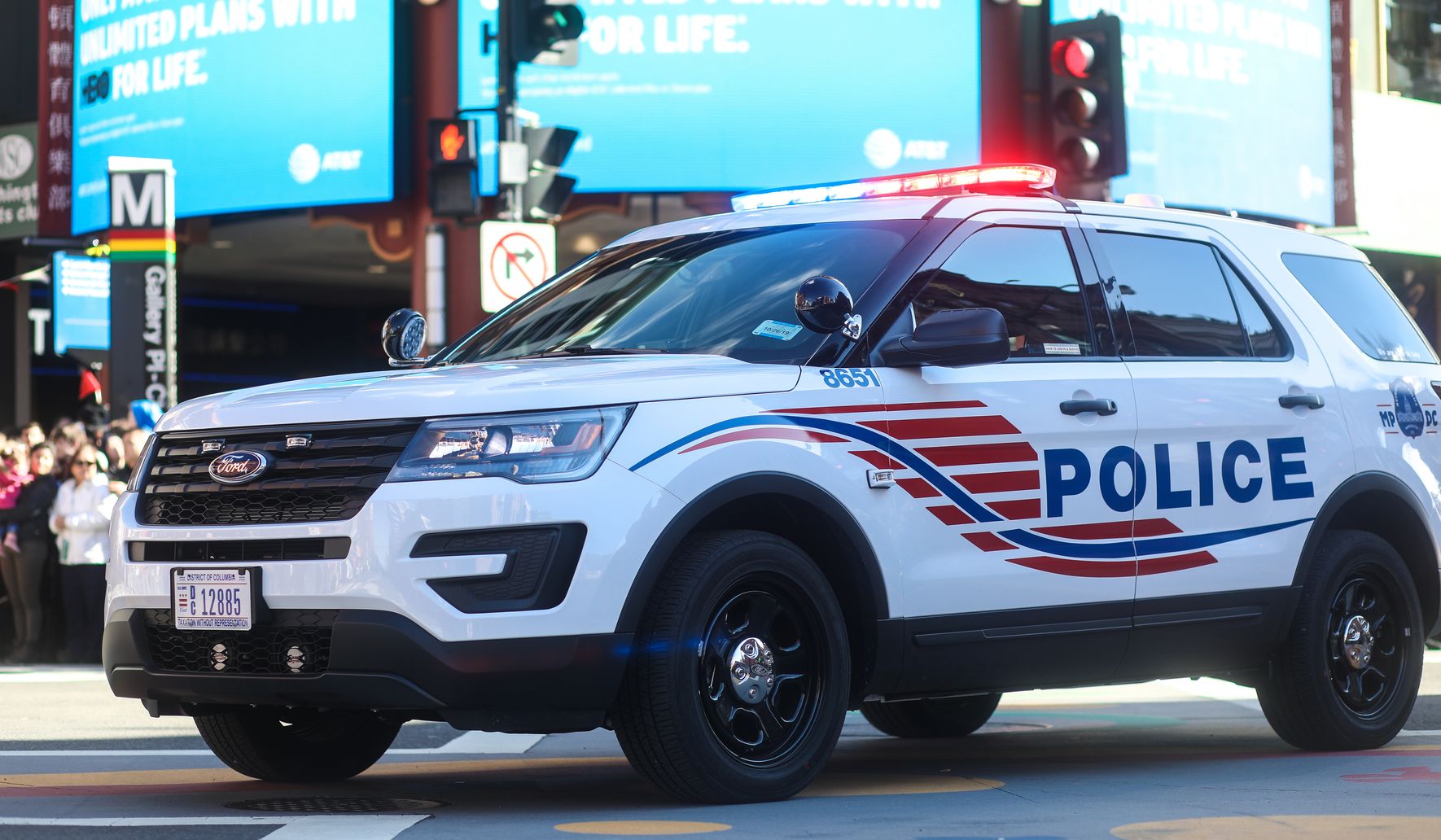
The Metropolitan Police Department announced four juvenile curfew zones Friday, following a mayoral order that reauthorized the District of Columbia’s curfews, and the move has ignited debate about public safety, enforcement priorities, and local leadership.
City officials moved quickly after the mayor’s reauthorization, naming four specific juvenile curfew zones to address late-night trouble. The announcement came Friday, a day after the mayoral order reauthorizing the District of Columbia’s curfews. The decision highlights how officials are trying to show action on safety while drawing scrutiny from citizens and watchdogs.
From a law-and-order standpoint, targeted curfew zones make sense as a blunt instrument to reduce late-night incidents and protect vulnerable neighborhoods. Police can concentrate patrols where data suggests trouble is most likely, and officers get clearer legal backing to disperse unlawful gatherings. The practical test is whether this translates into fewer calls for service and real reductions in crime where parents and residents feel safer.
There is, however, a political angle that matters. Reauthorizing curfews signals executive action when many voters say they want visible results on public safety. Republicans tend to favor empowering law enforcement while demanding accountability, and these curfew zones fit that mold: enforce the law, but require measurable outcomes and transparency. The public will watch to see if leadership delivers concrete improvements rather than just press statements.
Enforcement must be careful and proportional to avoid turning a public safety move into an overreach that alienates families and young people. Officers need clear rules of engagement so they do not create confrontations that worsen community relations. At the same time, parents and guardians must be engaged as partners in preventing juvenile misbehavior instead of expecting police to shoulder the entire burden.
Resources are an unavoidable part of the conversation. Declaring curfew zones is only one piece; staffing, overtime, and coordination with schools and social services are required to make them effective. Budgets need scrutiny to ensure patrols are sustainable and targeted programs are funded to deter repeat offenses. Republican thinkers typically push for efficient, accountable spending that delivers results without expanding permanent bureaucracy.
Data should drive deployment decisions, not politics. If the four juvenile curfew zones were chosen based on trend lines and incident reports, that strengthens the case for enforcement. If choices were made for optics or political cover, the public will rightly demand better explanations. Publishing the criteria and follow-up metrics would let residents judge whether the policy is working or merely symbolic.
There is also a civil liberties angle that deserves careful attention, because curfews can clash with individual freedoms when applied too broadly. Reasonable, narrowly tailored restrictions during specific hours are easier to justify than sweeping bans that sweep up bystanders. Lawmakers and police leaders must balance safety with rights and ensure legal safeguards are in place to prevent misuse.
Community partnerships can increase the chances of success by offering alternatives to punitive measures, such as evening programs, mentoring, or transportation options for kids who need to get home. These programs complement enforcement and reduce the number of encounters that escalate into arrests. Local leaders should prioritize both enforcement and supportive services so curfews do not become the only tool in the toolbox.
Public confidence hinges on consistent, transparent application and clear communication about how the zones will be evaluated. The mayoral move to reauthorize curfews and the police declaration of four juvenile curfew zones Friday are meant to demonstrate resolve, but they also raise questions about follow-through. Officials who pair enforcement with accountability and measurable results will find broader support than those who rely on headline-driven gestures.

