

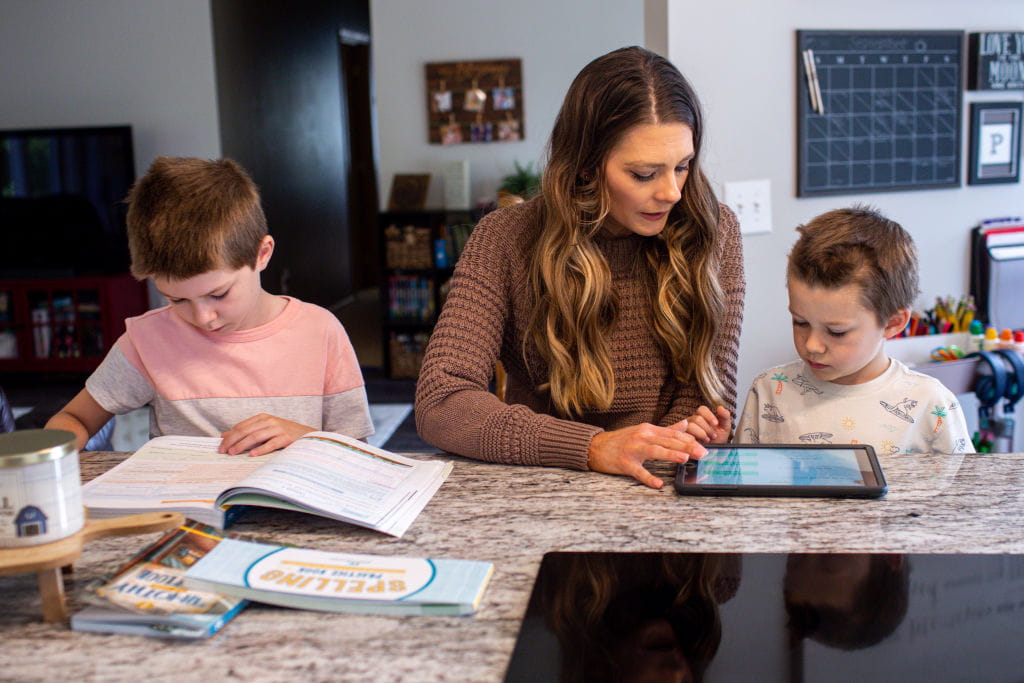
Homeschooling has surged into the mainstream, reshaping how many families handle education, schedules, and community involvement while opening new debates about quality, choice, and public-school dynamics.
Across towns and suburbs, families are rethinking the daily trip to a brick-and-mortar classroom and choosing alternatives that fit their routines, values, and needs. Apr 22, 2026 marks another point in this ongoing shift, as enrollment patterns and parental priorities continue to evolve. “The homeschool surge is here to stay.” This single line captures a movement that has pushed education conversations into kitchen tables and local school boards alike.
Parents cite a mix of practical and philosophical reasons when they make the switch, ranging from concerns about classroom safety to a desire for greater control over curriculum and pacing. For some, the appeal lies in tailoring lessons to a child’s strengths or addressing special learning needs more effectively. Others point to flexibility as a decisive factor, especially when work-from-home schedules or caregiving responsibilities make traditional school hours impractical.
Technology and digital curriculum providers have lowered barriers, letting parents access structured materials, virtual tutors, and communities of practice without reinventing the wheel. Co-ops, hybrid programs, and local learning pods add layers of shared responsibility and social opportunities, so homeschooling can look very different from one family to the next. That variety means outcomes are less about a single method and more about how families mix tools, routines, and external supports.
Academic results vary, with some homeschooled students testing ahead of peers while others follow different trajectories entirely. Research and anecdote both show that success often hinges on resources, parental time, and access to enrichment, not simply the location of instruction. Those realities have prompted districts to watch enrollment numbers closely, since funding and staffing models shift when students exit or return to public schools.
Socialization gets a lot of attention in these conversations, and the landscape has changed from the stereotypes of isolated students to networks of extracurriculars and community groups. Families now enroll kids in sports teams, arts classes, and volunteer projects, blending homeschooling with conventional activities to keep social lives robust. Local co-ops and interest-based clubs often become the hub where children practice teamwork, leadership, and conflict resolution.
The rise in homeschooling also forces practical questions about the public system: how to allocate resources fairly, how to maintain oversight and standards, and how to respond to a changing student population. School districts face the twin tasks of retaining families who want in-person experiences and adapting to fluctuating enrollment that can affect budgets. Policymakers and administrators are experimenting with hybrid offerings, targeted outreach, and partnership models to keep classrooms vital and accessible.
For parents weighing the choice, logistics matter as much as philosophy: curriculum options, assessment expectations, and legal requirements vary by state and locality. Many families lean on online curricula, regional support groups, and part-time enrollment to combine the best of both worlds. As more households make these arrangements, a secondary market of services—tutoring, enrichment classes, and co-op organizers—continues to grow.
Community responses reflect a mix of enthusiasm and concern, and the future will likely include more blended models rather than a single dominant path. Expect ongoing experimentation with micro-schools, blended scheduling, and public-private partnerships that aim to serve diverse needs without forcing one-size-fits-all solutions. The conversation that began in living rooms is now a part of broader educational planning, with families and institutions adapting to new expectations and opportunities.
(Photo by Nicole Neri for The Washington Post via Getty Images)

