

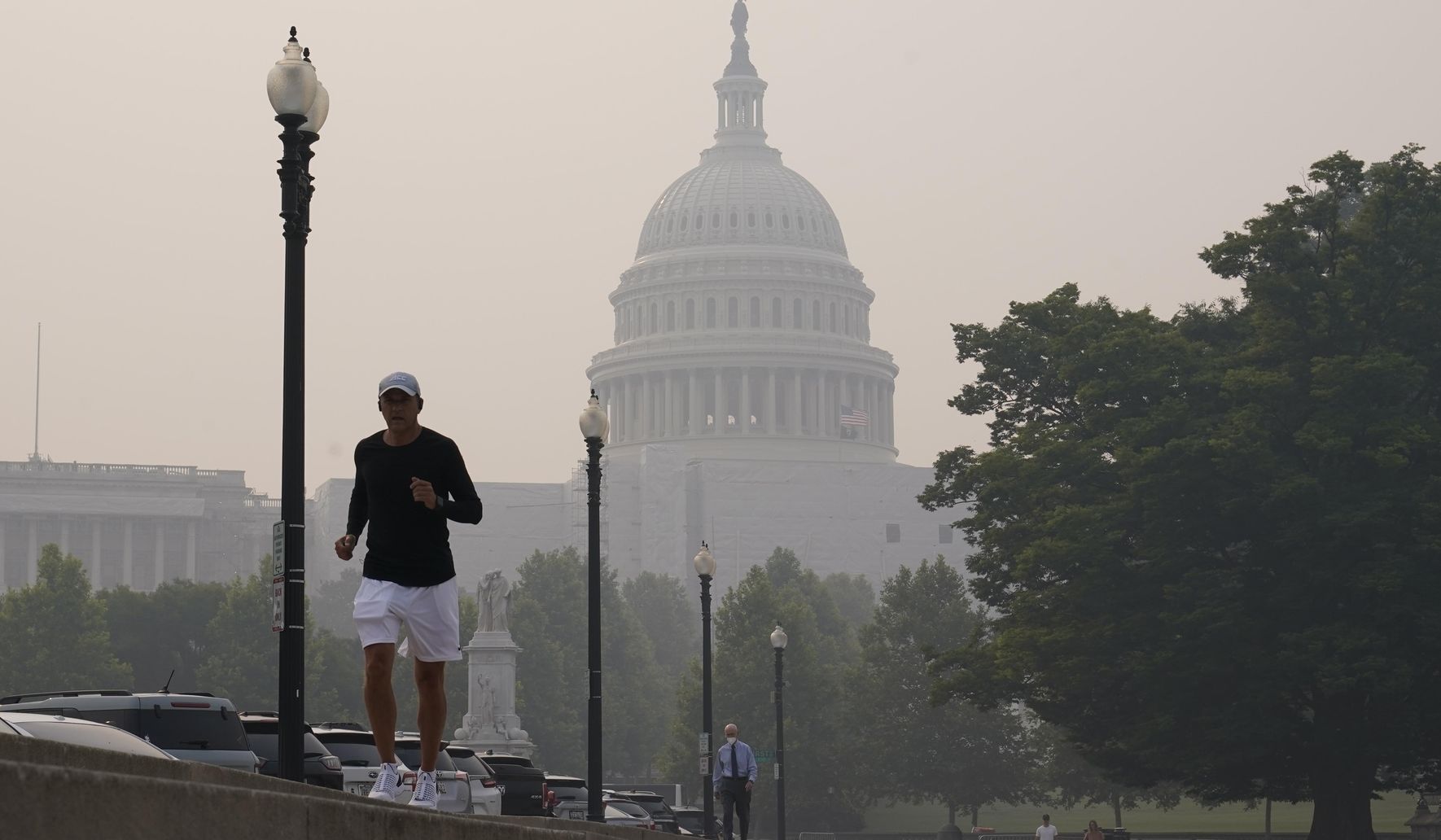
The American Lung Association gave the Washington-Baltimore-Arlington region a failing grade for smog in its 27th annual “State of the Air” report card released Wednesday, a finding that raises fresh concerns about air quality, health risks, and what can realistically be done about pollution in the short and long term.
The recent report from the American Lung Association put the Washington-Baltimore-Arlington area into the failing category for smog, a label that means more ozone pollution days and more risk for residents who spend time outdoors. That failing grade is a blunt signal: air that routinely exceeds healthy standards affects children, older adults, and people with lung conditions. For anyone who enjoys outdoor time, commutes, or works outside, this is personal, not abstract.
Smog forms when sunlight reacts with pollutants from cars, trucks, power plants, and other sources, producing ozone at ground level. Local geography and weather can trap those pollutants in the region, making a bad day into a hazardous one. Wildfire smoke and other episodic events can make things worse quickly, but chronic sources are the core problem most days.
Health consequences are not subtle. Short-term exposure can trigger coughing, shortness of breath, and asthma attacks, while long-term exposure increases the risk of chronic respiratory diseases. Public health officials use these report cards to push for cleaner air standards because prevention saves money and prevents illness. When a major nonprofit issues a failing grade, it means prevention has to move up the priority list for public agencies and employers.
Fixing smog is a mix of policy, technology, and everyday choices. Cleaner fuels, tighter vehicle emissions rules, and improved industrial controls drive large gains. At the same time, expanding public transit and supporting low-emission commuting options make the difference on crowded corridors. Local decisions about development patterns and freight routes also change how pollution is distributed across neighborhoods.
Businesses and institutions play a role too by changing fleet choices, reducing idling, and scheduling outdoor activities away from peak-ozone hours. Schools and recreation programs can shift practices to protect kids and coaches during high-smog days. Individual actions like keeping vehicles well maintained and cutting unnecessary trips help, but system-level fixes deliver the biggest, most equitable benefits.
Monitoring and transparency are part of the answer. More air sensors and better public alerts help people avoid high-exposure periods and let policymakers track progress. Effective alerts need to reach communities that are most exposed and least likely to have flexible options for avoiding pollution. Data that identifies pollution hotspots can focus investments where they will do the most good.
Legal and regulatory tools matter too. Clean air standards set by federal and state agencies create benchmarks and timelines that push industry and localities to act. Incentives for electric vehicles, cleaner buses, and low-emission industrial upgrades speed adoption when paired with clear rules. Ultimately, a mix of smart policy, private-sector action, and community engagement is required to lift a region out of a failing category and keep it healthy for everyone.

