

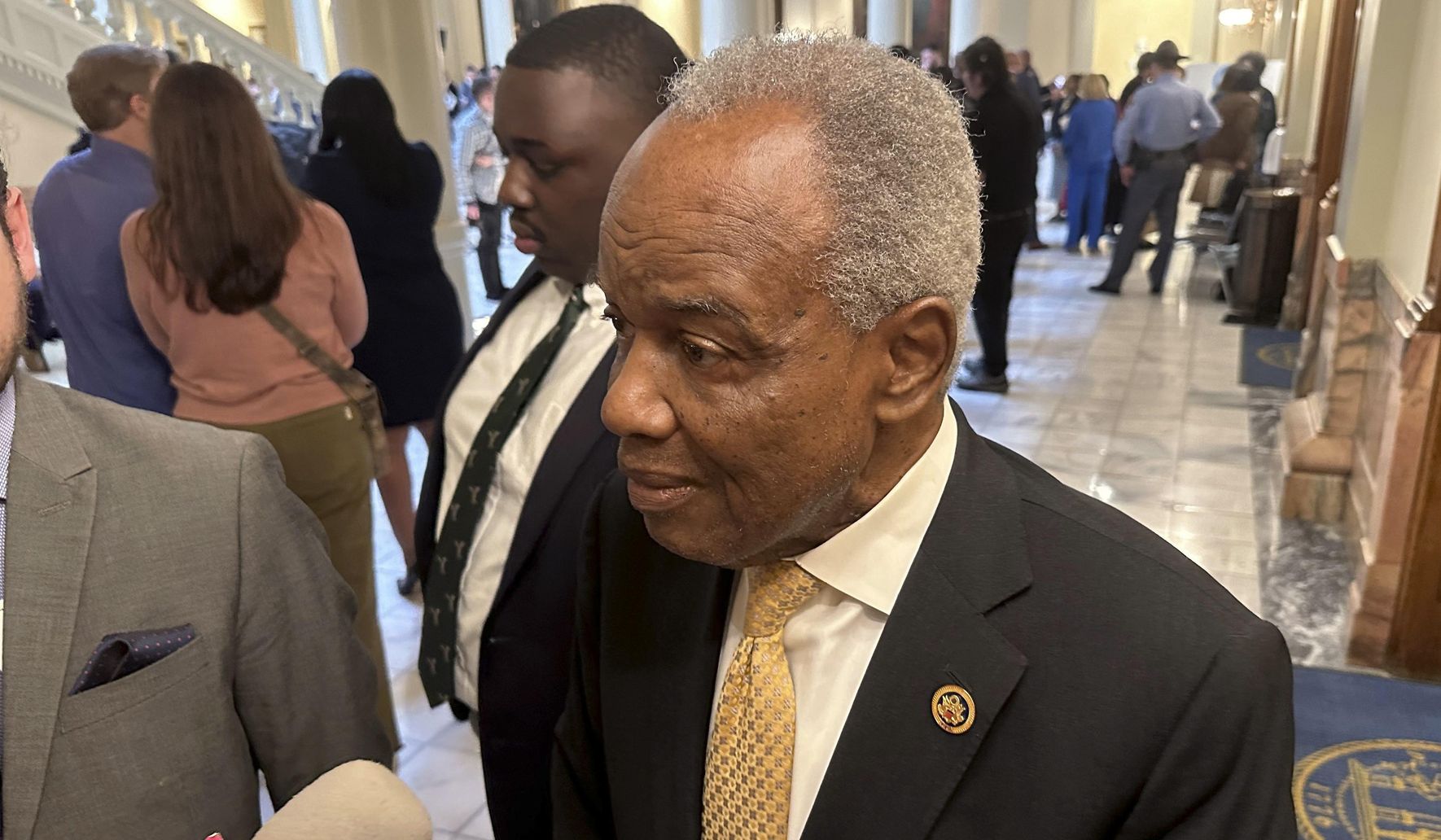
Rep. David Scott, 80, has died after representing his Georgia district for more than two decades, leaving a vacant seat and questions about the next steps for his constituents.
Rep. David Scott’s passing marks the end of a long run in Washington for a lawmaker who served his Georgia district for over twenty years. His death at age 80 immediately creates a vacancy in the House and starts a political and procedural clock that Georgia officials will have to follow. Voters and local leaders now face the practical reality of replacing a familiar figure in Congress. For many residents, the loss is both personal and political.
In Washington, turnover like this shifts the balance of seniority and committee influence, and it can change how resources are steered back to the district. Long-serving members accumulate relationships and committee spots that help deliver for their area, and when they leave suddenly those channels need to be reestablished. From a Republican standpoint, sudden vacancies also provide an opportunity to offer voters a different approach on policy and spending. Expect candidates and activists from both parties to move quickly to claim the narrative for the next election.
Across the district, constituents will want clarity about continuity of services and constituent casework. Staff offices typically handle ongoing matters, but a permanent solution requires clear legal steps under Georgia law to fill a House seat. Local officials and party organizations will be sorting through timelines and eligibility rules, while community groups assess who might step forward. The immediate concern for many residents will be steady representation while the political process unfolds.
Scott’s long tenure meant he was a known quantity in town halls, ribbon-cuttings, and committee meetings, and his absence will be felt in routine, everyday ways. Constituents often depend on their member’s office for help with federal agencies, Social Security, veterans’ issues, and other casework. The transition period gives competitors a chance to contrast styles and priorities, especially on fiscal discipline and accountability, where Republican voices will press for tighter oversight and clearer spending priorities.
At the state party level, leaders will quickly pivot to logistics and messaging, seeking to position preferred candidates for any special election or the next regular contest. Republicans will highlight themes like stronger fiscal stewardship, local control, and public safety to appeal to swing voters and dissatisfied constituencies. Meanwhile, Democratic structures that supported Scott will work to maintain his coalition, reminding voters of the continuity his office provided. That dynamic sets the stage for a potentially competitive and closely watched race.
National observers will see this as more than a local story because every House seat matters for legislative leverage and committee composition. For those who favor smaller government and responsible budgets, an open seat is a chance to push for pragmatic reforms and to critique entrenched habits in Washington. Messaging in the coming weeks will be direct and pointed, with candidates and parties framing the contest as a choice about priorities and the character of representation.
Beyond politics, people who knew Scott personally will remember his public presence and the relationships he built across the district. Funerals and memorials will bring the community together, and tributes will highlight years of public service even as political debates start. The next chapter for the district begins now, with the practical task of ensuring constituents are not left without help and the longer task of deciding who best represents their priorities in Congress.

