

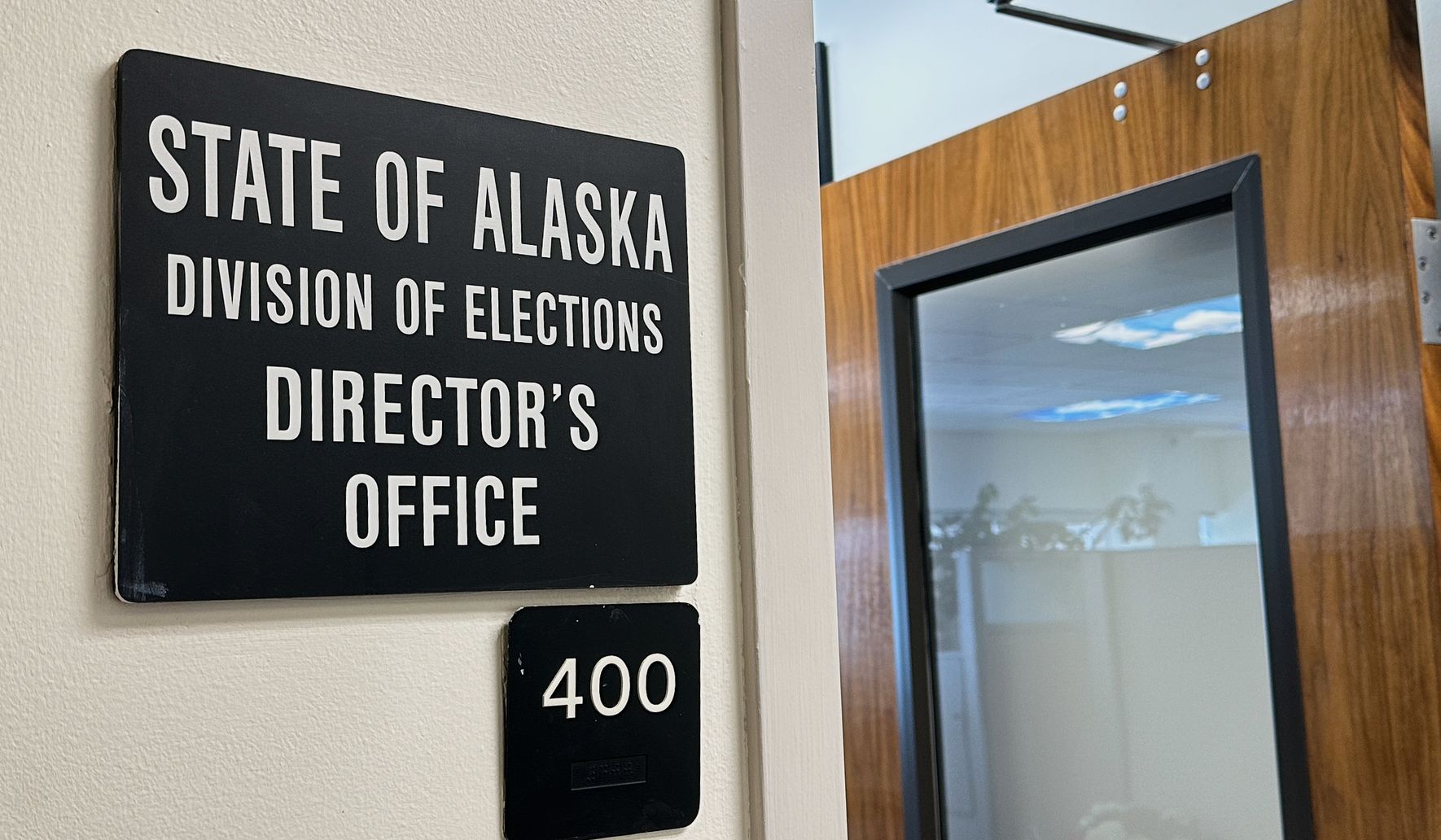
Voting and civil rights groups have sued Alaska elections officials over the state’s decision to share its full voter registration list with the U.S. Department of Justice, sparking a fight over transparency, privacy, and federal involvement in elections. The suit challenges that data sharing while state officials say cooperation with federal authorities is part of maintaining election integrity. This dispute feeds into a broader national debate about how voter information should be handled and who gets access to it.
The lawsuit was filed Wednesday and centers on the transfer of the complete voter registration file to the Justice Department. Plaintiffs argue that handing over that full list raises legal and privacy concerns for registered voters. State officials counter that sharing information with federal law enforcement and civil rights authorities can be routine and necessary.
From a conservative perspective, cooperation between state election offices and the Justice Department is a common-sense step in defending the integrity of the ballot. Federal oversight can help identify irregularities and support lawful enforcement across state lines. At the same time, reasonable safeguards should protect individual privacy without blocking legitimate investigations.
Civil rights and voting groups say full-file sharing risks exposing sensitive personal details and could chill participation. They contend the move runs afoul of legal limits on when and how voter data may be disclosed. Those groups often push for tighter restrictions on data use, emphasizing privacy and protection from misuse.
Republican officials often respond by pointing out that voter rolls are public records in most states, available for transparency and verification. Making such records accessible helps watchdogs, parties, candidates, and federal authorities detect fraud and promote accountability. The tension emerges when different interests weigh transparency against privacy in different ways.
The legal fight will hinge on statutes, precedent, and how courts interpret confidentiality protections for voter data. Judges will look at whether the transfer complied with state and federal law and whether plaintiffs have shown concrete harm. Expect careful parsing of statutory language and a close look at any agreements or memoranda between Alaska officials and the Justice Department.
Beyond legal technicalities, the case is political theater for both sides. Voting and civil rights groups frame the suit as a defense of voters’ privacy and civil liberties. Conservative voices frame it as an attempt to obstruct federal oversight that can root out fraud and maintain consistent enforcement across the country.
Practical questions will also matter: what exactly was shared, how it was secured, and who will have access going forward. Courts will want factual clarity about data handling protocols, retention schedules, and any limits placed on secondary uses. Those operational details can decide whether the disclosure was routine or improper.
The outcome could set a precedent that affects other states weighing similar cooperation with federal agencies. If courts limit full-file sharing, states will need to revisit policies and possibly tighten the criteria for what is handed over. If courts allow it, state-federal information exchanges could proceed with renewed clarity or stricter documented safeguards.
Legal scholars will watch closely for how judges balance transparency against privacy interests and the scope of federal enforcement powers in election contexts. The ruling could influence legislative efforts at both state and federal levels to clarify permissible data sharing. Lawmakers on either side may use the decision as a rallying point for new rules.
Voters deserve clarity on how their information is used and protected, and officials must be held accountable to legal standards. Republicans argue that transparency and lawful cooperation with federal authorities are essential tools in preserving election integrity. At the same time, a careful legal framework should prevent abuse and preserve voter trust.
Both sides stand to make larger points about control over election administration and the balance of state and federal roles. Litigation like this often becomes a vehicle for broader policy battles rather than a narrow dispute over procedure. The legal process will expose the competing priorities and force a public conversation about acceptable practices.
As the case proceeds, expect filings and hearings to trace the chain of decisions that led to the data transfer and to scrutinize the safeguards in place. The record will matter: emails, memoranda, and protocols may prove decisive. Whatever the result, the dispute spotlights fundamental questions about who should see voter rolls and why.
In the end, courts will weigh law and fact, while politicians use the controversy to press their views on oversight and privacy. The debate is part of a larger national conversation about ensuring secure, trustworthy elections while protecting citizens’ personal information. Both transparency and restraint will be central themes as the case moves forward.

