

A mental-health advocate is hospitalized after a brutal early-morning stabbing in Burbank that killed her mother, leaving the neighborhood stunned and raising hard questions about safety and accountability.
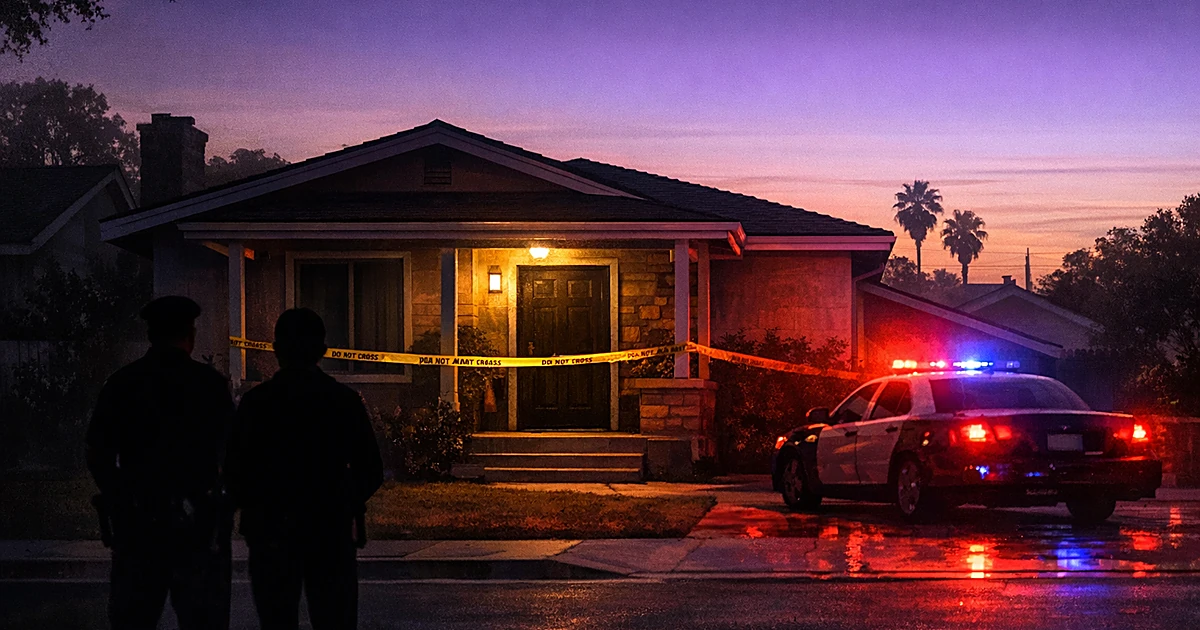
A high-profile mental-health activist, Meera Varma, was found with stab wounds in her Burbank home early Monday, while her mother, Arti Varma, did not survive the attack. Police arrested 30-year-old Sergio Fraire later that day on suspicion of murder and attempted murder after officers responded to the 2800 block of North Brighton Street. The arrested suspect was taken into custody on the 500 block of East Palm Avenue, roughly two and a half miles from the scene.
The police statement was terse about motive and relationships, leaving residents and family members scrambling for answers about how this happened in a quiet neighborhood. Authorities confirmed an investigation is ongoing and said they reviewed witness accounts, physical evidence, and surveillance video before identifying a suspect. Meera Varma remained hospitalized in stable condition while her father was reportedly abroad at the time of the attack.
“The relationship, if any, between the suspect and the victims remains under investigation, as does the motive.”
Neighbors described fear and disbelief as they tried to make sense of a home invasion that ended in homicide. One neighbor said she had surveillance footage showing a person fleeing the scene, though police have not publicly attached that video to the case file. Friends of the family and local residents want clarity on whether this was targeted or random, and they want it fast.
Cristina Strattan, a friend of the slain teacher, captured what many in the block felt: grief mixed with a pressing question about safety. She called Arti “an amazing teacher” and “such a bright light,” and then voiced a neighborhood concern that now hangs in the air. That worry is simple and direct: are families safe in places they moved to for peace of mind?
“Is it something that we have to worry about as a neighborhood? If it’s someone they know that makes it even harder to process because they were such a good people. I can’t imagine someone would intentionally want to hurt them.”
Meera Varma has spent more than a decade as a mental-health advocate, a TEDx speaker, and a public voice on youth mental health. She has worked with federal, private, and nonprofit groups and appeared at events alongside well-known figures to press the urgency of discussing suicide prevention and mental-health care. In public appearances she stressed how conversation can be lifesaving.
“It is so important for us to have these conversations around mental health because suicide is the second-leading cause of death for people 10-14 and 20-34. That is something that can be prevented by talking about it.”
Her work brought her access to national platforms and meetings that included White House events and discussions with senior officials and celebrities. None of those connections shielded her family from a violent act at home, a stark reminder that influence does not equal immunity. The juxtaposition of national advocacy and local tragedy intensifies the public demand for answers.
Arti Varma taught second grade at Bret Harte Elementary in the Burbank school district and was remembered by friends and neighbors for her warmth and dedication to children. That she was killed in a city many consider safe cuts deep into community trust and school safety concerns. This is not the first painful loss tied to that small elementary campus, and residents are watching how authorities respond.
“My mom squeezed me even tighter, looked me directly in the eyes and said, ‘I love you. I’m not going anywhere. I’m here. I’m here.'”
Officials have not said how the suspect allegedly gained entry or whether there was prior contact between Fraire and the family. Key details about the suspect’s background, any criminal history, mental-health records, employment, or immigration status have not been released. Those gaps matter because when violent criminals are alleged to have broken into a home, the public expects a full accounting of how that became possible.
This case lands against a backdrop of frustrated voters who say policy decisions have weakened protections that used to keep neighborhoods safer. Many Californians blame a pattern of relaxed enforcement, lenient prosecutorial choices, and courtroom outcomes they see as failing victims. When families pay the price, the political debate over public safety becomes uncomfortably personal.
Prosecutors have filed murder and attempted murder charges against the suspect, and the legal system will now determine guilt and punishment. Even if the courts hold one person accountable, questions about prevention, policing, and enforcement will remain. For people living in places that expected safety, this single case is also a test of systems meant to protect them.
Friends described Arti Varma as “such a bright light” who devoted herself to teaching and family, and they mourn the brutal loss inside a home that should have been a sanctuary. Meera Varma’s public work on suicide prevention and youth mental health now sits beside a private family tragedy that drives home the human cost of violent crime. The community is left waiting for answers while demanding accountability from those whose job it is to deliver them.

