

Moral poverty ran amok at the SPLC, and now it has been criminally indicted. The Department of Justice says the organization diverted money and misled donors in ways that funded extremists, and those allegations have landed the group at the center of a federal fraud case.
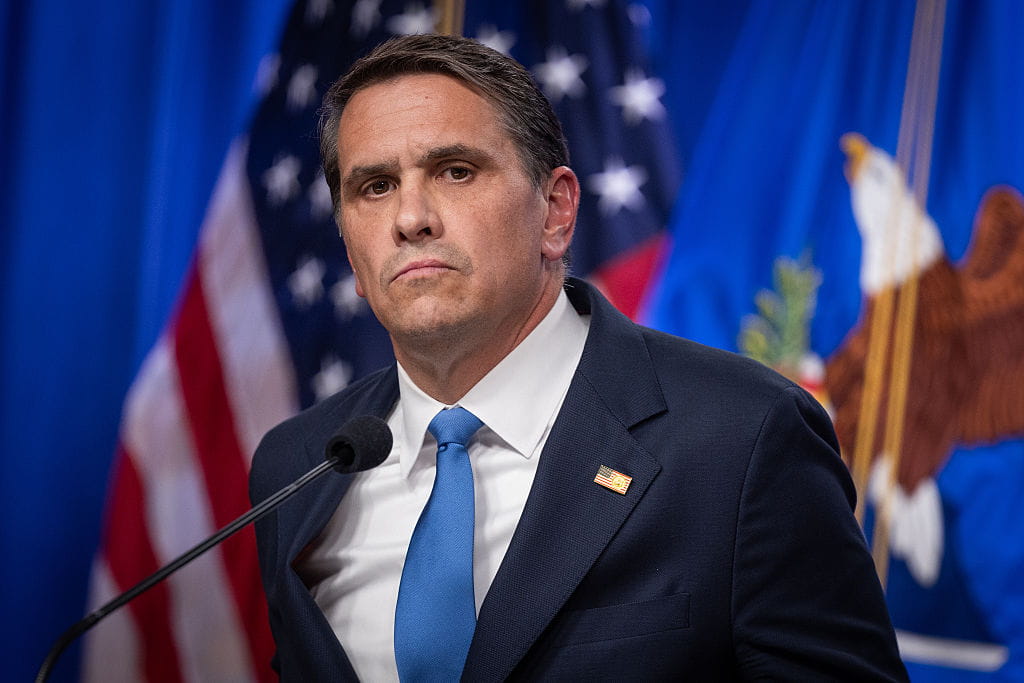
The DOJ indictment filed on Apr 23, 2026, accuses the Southern Poverty Law Center of using donations for purposes other than what donors were told. Acting Attorney General Todd Blanche has taken the lead publicly, framing the matter as more than bookkeeping errors and instead as a pattern of deceit tied to political and financial gain.
According to the charges, internal practices allegedly allowed money to flow through opaque channels and end up supporting people and causes the public never intended to fund. Those moves, prosecutors argue, were hidden from donors and regulators and may have included coordination with outside entities to mask the true destination of funds.
The SPLC long claimed a mission of tracking hate groups and protecting civil liberties, but the indictment paints a different picture of how donations were handled behind closed doors. Critics on the right have long said the group weaponized its nonprofit status for political influence, and the DOJ’s case gives those concerns legal weight.
There are reports of internal emails and financial records the government says show executives knew where money was going and took steps to conceal it. If the documents prove what prosecutors claim, the behavior moves from poor governance into criminal fraud because it allegedly relied on false representations to solicit donations.
Legal experts note that nonprofits face criminal exposure when they intentionally mislead donors about the use of funds, especially if donations were solicited under false pretenses. The potential penalties include fines, restitution, and prison time for individuals involved, and the organization itself could lose tax-exempt status and face civil suits from betrayed contributors.
Beyond legal consequences, the case poses a reputational crisis for a group many conservatives already distrusted. The SPLC’s lists and labels have shaped public debate for years, and allegations of financial misconduct now complicate any claim to moral authority they relied upon to influence politics and law.
Republicans see this as proof that left-leaning institutions can abuse nonprofit privileges to push partisan agendas while evading accountability. The indictment will likely be used by lawmakers to press for tougher oversight of charitable organizations and more stringent penalties for misuse of donor funds.
Even so, the charges are allegations that must be proven in court, and the SPLC will have opportunities to respond and contest the evidence. Still, the case changes the conversation: what began as watchdog work has, at least in the Justice Department’s view, become a subject of criminal investigation led by the acting attorney general.
Investigators say the probe reached into years of accounts, contracts, and communications to build their case, and they have signaled a willingness to follow the money and name the people involved. For donors and watchdogs alike, the outcome will matter for how nonprofits are regulated and how political advocacy groups operate under the shield of charitable status.

