

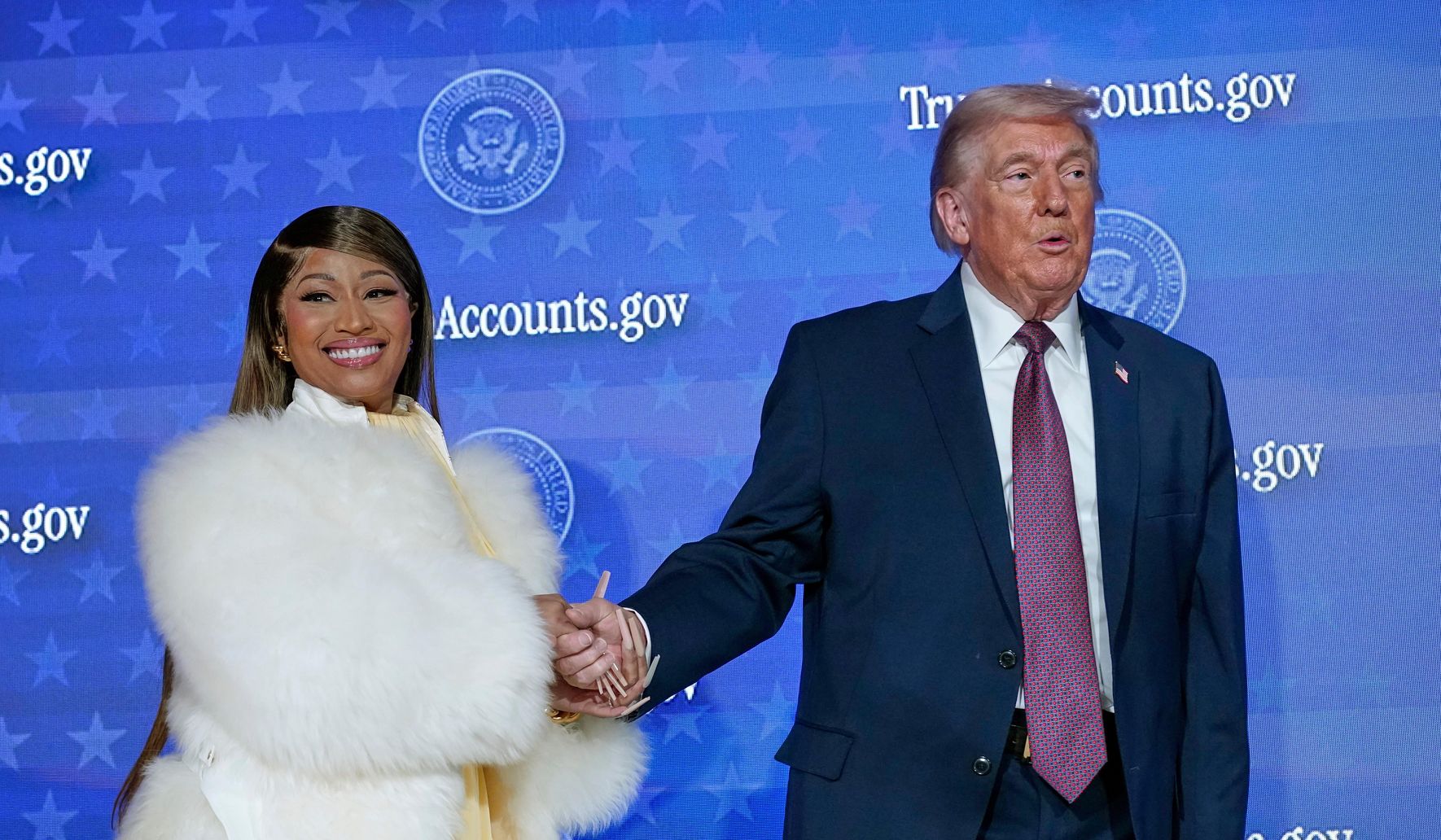
Nicki Minaj, who publicly calls herself the No. 1 Trump fan, is reported to be attending the White House Correspondents Association annual dinner on Saturday, setting up a high-profile intersection of pop culture and political theater.
Her presence at a dinner usually filled with headline-hungry journalists and entertainers changes the usual dynamic. For people on the right, it is evidence that conservative-leaning voices are no longer content to stay on the sidelines of cultural events. The optics matter, and her attendance will draw attention beyond the usual political crowd.
Celebrity endorsements and appearances are more than curiosities; they shape narratives and drive attention. Nicki Minaj brings millions of listeners and a social media reach that can amplify conservative talking points in a way party operatives only dream about. That kind of audience matters in an era when mainstream outlets often speak to a narrow demographic.
The White House Correspondents Association dinner has long been a showcase for media insiders to pat themselves on the back. Having a celebrity who openly aligns with President Trump in the room is likely to make the press more self-aware, whether they like it or not. It gives Republicans a chance to push back against a media narrative that often sidelines alternative viewpoints.
There will be predictable headlines and hot takes, but appearances like this force a balancing act on the press. Reporters who treat the event as an echo chamber could find themselves challenged on stage and off. That tension can only be healthy for public discourse when it tempts the mainstream to broaden its scope instead of narrowing it.
Politicians and communicators on the right should pay attention, not just for flash value but for strategy. Engaging pop culture figures creates windows to reach voters who tune out traditional political advertising. A high-profile celebrity in a mainstream setting can introduce conservative ideas to an audience that might otherwise be dismissive.
Critics will call it a publicity stunt, and there will be op-eds ready to explain why it is irrelevant. Those critiques miss the point about influence and access. A single night of visibility in a high-profile venue can shift conversations, change which topics dominate the week, and put pressure on journalists to cover different angles.
From a Republican perspective, this is an opportunity to highlight how conservative viewpoints can coexist in cultural spaces once dominated by a different consensus. It also signals to artists and entertainers that the conservative movement is open to engagement, not exclusion. That outreach could open doors to fresh voices willing to speak up without fear of being shut out.
In short, the impact of her attendance will be measured not only by the photos and soundbites but by the follow-up. Will conservative communicators use the moment to make substantive points, or will it be reduced to celebrity gossip? Either way, the event underscores a growing truth: cultural relevance and political influence now move together, and Republicans are ready to play on both fields.

