

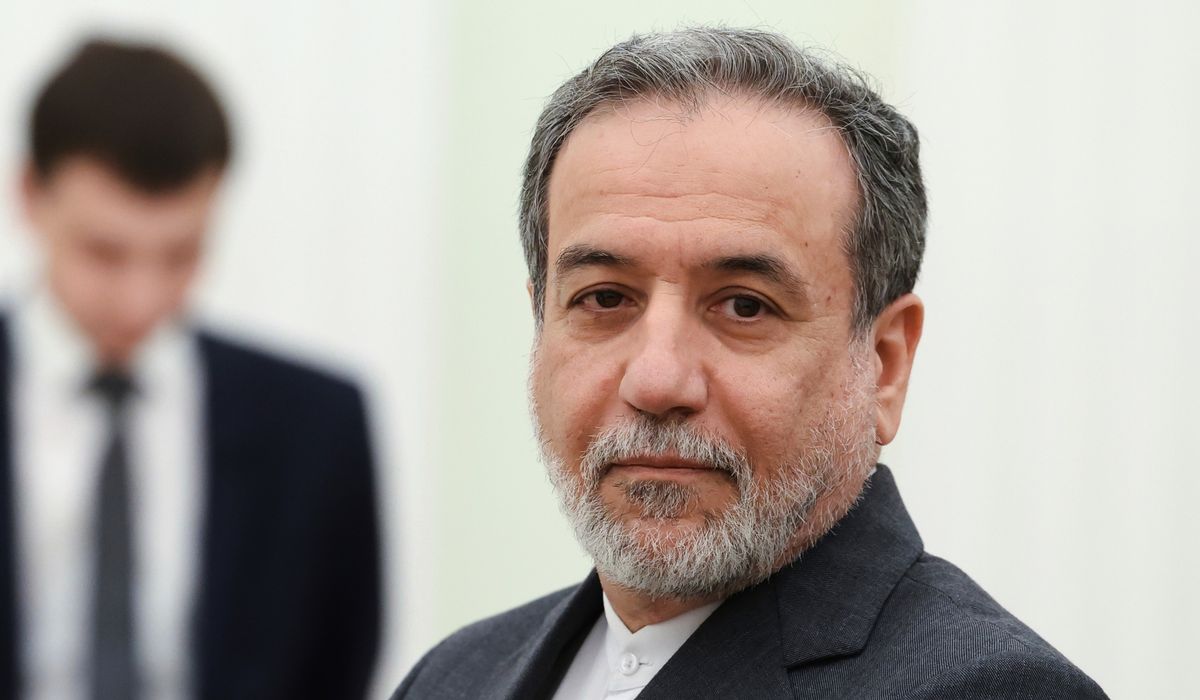
I summarize the situation and its stakes: Iran says it will stop pressuring shipping in the Strait of Hormuz if the United States lifts its blockade and the wider conflict ends, a bargain that raises hard questions about security, verification, and American leverage.
Iran has offered to end its chokehold on the Strait of Hormuz in exchange for the U.S. lifting its blockade on the country and an end to the war, while proposing that discussions on the larger questio
The offer sounds straightforward but it is a strategic move that needs scrutiny from a position of strength. Washington must weigh whether easing pressure now would actually reduce risk or simply reward coercion. A deal should not look like backing down under duress.
For Republicans who prioritize American security and reliable energy flows, the Strait of Hormuz is a nonnegotiable interest. Freedom of navigation there protects global commerce and underpins allied confidence in U.S. resolve. Any negotiation must preserve unimpeded access and credible deterrence.
Removal of a blockade in exchange for a promise is easy to announce and harder to verify in practice. The United States should insist on clear, inspectable steps before changing force posture or sanctions. Verification and enforcement mechanisms are the difference between a genuine deal and a public relations victory for Tehran.
There are practical military and diplomatic tools that can back up any agreement without ceding leverage. Increased naval patrols with allies, transparent inspection regimes for shipping, and a phased approach tied to measurable behavior all keep pressure while rewarding compliance. That combination protects trade while holding bad actors to account.
From a policy angle, lifting pressure on Iran in return for vague promises risks encouraging similar tactics elsewhere. Adversaries will study any concessions and decide whether coercing the United States can pay dividends. A smarter approach is conditional relief linked to objective milestones that reduce incentives for future aggression.
On the home front, Republicans can push for robust oversight of any deal, demanding reporting, timelines, and contingency plans. Congress should set clear red lines and require certification before sanctions relief moves forward. That ensures the executive branch does not unilaterally trade away strategic advantages without accountability.
Energy markets and allies complicate the calculus and make clear that a stable solution matters beyond Washington. European and Asian partners want secure sea lanes and predictable oil flows, and they will look to U.S. leadership to supply that stability. Any agreement must be transparent and coordinated with allies to be credible and durable.
Finally, good diplomacy does not mean naïveté; it means using leverage smartly to lock in lasting results. If Iran wants to halt threats in the Strait of Hormuz, the United States can test that intent with verifiable steps tied to phased relief. That balance protects American interests while offering a real path to reduced tensions.

