

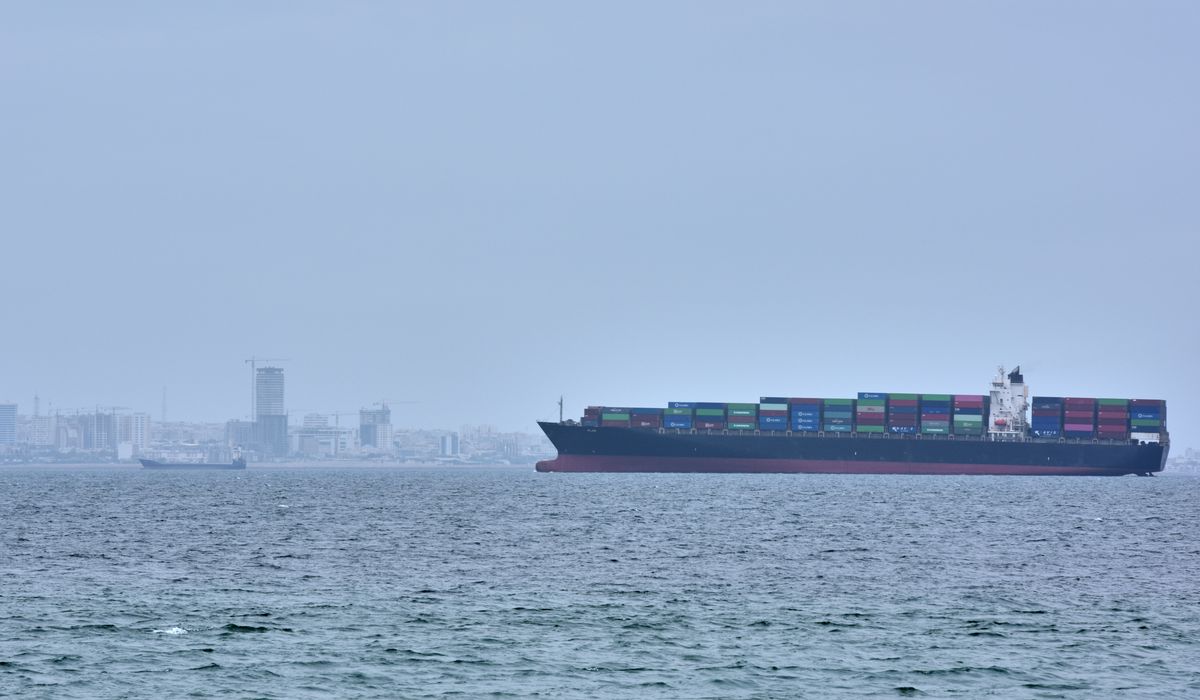
Iran has reportedly offered to reopen the Strait of Hormuz if talks around its nuclear program are postponed to another time. This development raises immediate questions about motives and leverage, and it cuts straight into global energy and security concerns that need clear-eyed responses.
“Iran has reportedly offered to reopen the Strait of Hormuz if talks around its nuclear program are postponed to another time.” That sentence, reported as fact, demands scrutiny because the strait is a strategic chokepoint and any change there has outsized consequences. The claim alone is enough to force Washington and allies to examine both the price and the credibility of any pause in nuclear negotiations.
The Strait of Hormuz is not symbolic theater; it is a functioning gateway for maritime traffic with real ships, real crews, and real economic effects when disrupted. That means any conditional offer from Tehran should be treated with skepticism until pieces align: verified behavior, durable guarantees, and meaningful verification mechanisms. Republicans argue that offers tied to postponement often reflect coercion rather than genuine confidence-building and therefore cannot be taken at face value.
From a Republican perspective, the core problem is leverage: who benefits, and who pays if talks are delayed? If postponing nuclear discussions becomes the price for freedom of navigation, the pattern rewards aggression and sets a dangerous precedent for regional coercion. The smarter path, advocates say, is to make sure any diplomatic pause is coupled with measurable constraints on Iran’s military posture and nuclear activities, not just a calendar change.
Operationally, reopening the strait without ironclad assurances would leave merchant shipping, naval forces, and allied partners exposed to renewed uncertainty, especially for insurance, routing, and port operations. That kind of uncertainty ripples into markets and strategic planning, and it invites other actors to test limits at sea. Republicans emphasize readiness and deterrence as the only reliable backstop against such pressure tactics, insisting that diplomacy without capability is a hollow promise.
There is also the matter of credibility. If the United States appears willing to accept a timeline shift in nuclear talks in exchange for temporarily safer shipping lanes, adversaries will note that a little pressure produces results. That dynamic can encourage similar behavior elsewhere, emboldening states to mix threats with offers until their aims are met. Maintaining sanctions leverage and a visible security posture keeps leverage on the table so that negotiations are not one-sided concessions.
Allies in the region and beyond will watch closely, and they will judge U.S. policy by outcomes, not rhetoric. A policy that tolerates postponement without compensation risks fracturing alliances and imposing awkward choices on partners who depend on both reliable trade routes and a clear deterrent. Republicans argue for coalition-based responses that mix diplomatic isolation, economic tools, and credible military presence so partners can rely on consistent security guarantees.
Finally, this moment underlines a basic truth of statecraft: words mean less than actions, and offers tied to timelines need independent verification to be useful. If Tehran wants to alter behavior, it should agree to verifiable steps with inspections and consequences built in, not conditional headlines that evaporate with the next political cycle. Until then, prudence, deterrence, and clear-eyed diplomacy are the measures most likely to protect American and allied interests without rewarding coercion.

