

Jocelyn Benson’s ties to the SPLC and George Soros, plus her leadership role on an internationalist urban task force, have drawn sharp scrutiny from critics who argue her alliances and policy priorities steer Michigan toward outside influence and globalist agendas.
Jocelyn Benson is running for Michigan governor amid renewed attention to associations that her opponents frame as troubling. The central claims focus on connections to the Southern Poverty Law Center and funding linked to George Soros, paired with her work on a task force that pushed city-level integration with international initiatives. Voters deserve a clear explanation of how these relationships influenced her policy choices and how they would affect Michigan’s future. Apr 30, 2026.
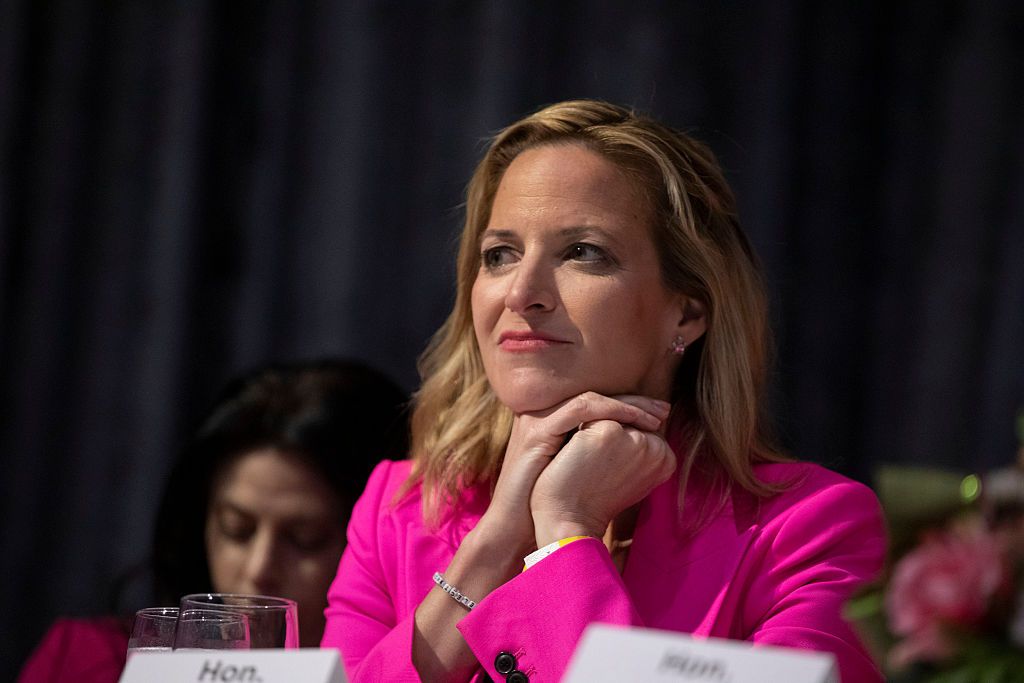
Many Republicans see a pattern: when public officials accept powerful outside funding or cozy up to national organizations, local priorities can get squeezed out. Benson’s critics argue that national groups bring their own agendas and expectations, which may not match Michigan’s needs. The concern is not just about money or endorsements; it’s about whether those influences nudge officials toward policies that bypass state sovereignty and local control. Jocelyn Benson — (Photo by Bill Pugliano/Getty Images)
Her role as a task force chair has become a focal point for that debate. She chaired globalist task force to integrate US cities with internationalist order. For skeptics, that phrase isn’t theoretical; it reads as a mission to align city governance with international frameworks favored by global institutions. Opponents worry this could prioritize global benchmarks over plain, practical local interests like public safety, jobs, and school choice.
Campaigns often hinge on trust, and accusations of external influence damage that trust quickly. When money and ideas flow from influential national donors and advocacy groups, Republican strategists argue, accountability gets blurred. Elected leaders should answer directly to the people who vote for them in their state, not to the donors and organizations that line up behind them. That is the core of the criticism Benson faces.
Public-safety and election integrity remain hot-button issues that feed into the broader distrust. Critics point to the involvement of groups that have been active in shaping narratives on policing and voting policy nationwide. In a state like Michigan, where urban and rural priorities already clash, critics say leaders should focus on clear, locally driven solutions instead of importing one-size-fits-all models from national think tanks or philanthropists.
Defenders of Benson will say collaboration with national groups is normal and that task forces can produce useful ideas. But from a Republican standpoint, it’s fair to ask which ideas get elevated and who benefits. Are initiatives designed to strengthen Michigan families and small businesses, or do they primarily advance the agendas of out-of-state funders? Voters are entitled to that distinction before casting ballots.
The funding question also complicates the optics. George Soros has been a controversial figure across the political spectrum, and affiliations with Soros-backed organizations often trigger skepticism among conservative voters. Ties to the Southern Poverty Law Center carry similar baggage for many on the right, because they see the organization as partisan rather than neutral. Those perceptions matter in a tightly contested statewide race.
Policy substance matters beyond the headlines. If a candidate’s policy prescriptions on crime, education, and economic development reflect external priorities, the consequences are practical and measurable. Republicans argue that Michigan needs strategies tailored to its unique economy, manufacturing base, and civic culture, not a menu imported from distant donors. That pragmatic lens is what conservative voters say they want their leaders to use.
Accountability should be simple: candidates must disclose relationships, explain their roles on influential panels, and show how their proposals will directly benefit Michigan residents. The debate over Benson’s ties is less about personal associations than about who sets the agenda in Lansing. As the campaign moves forward, Republicans will press for transparency and a clear commitment to put Michigan’s voters first.

