

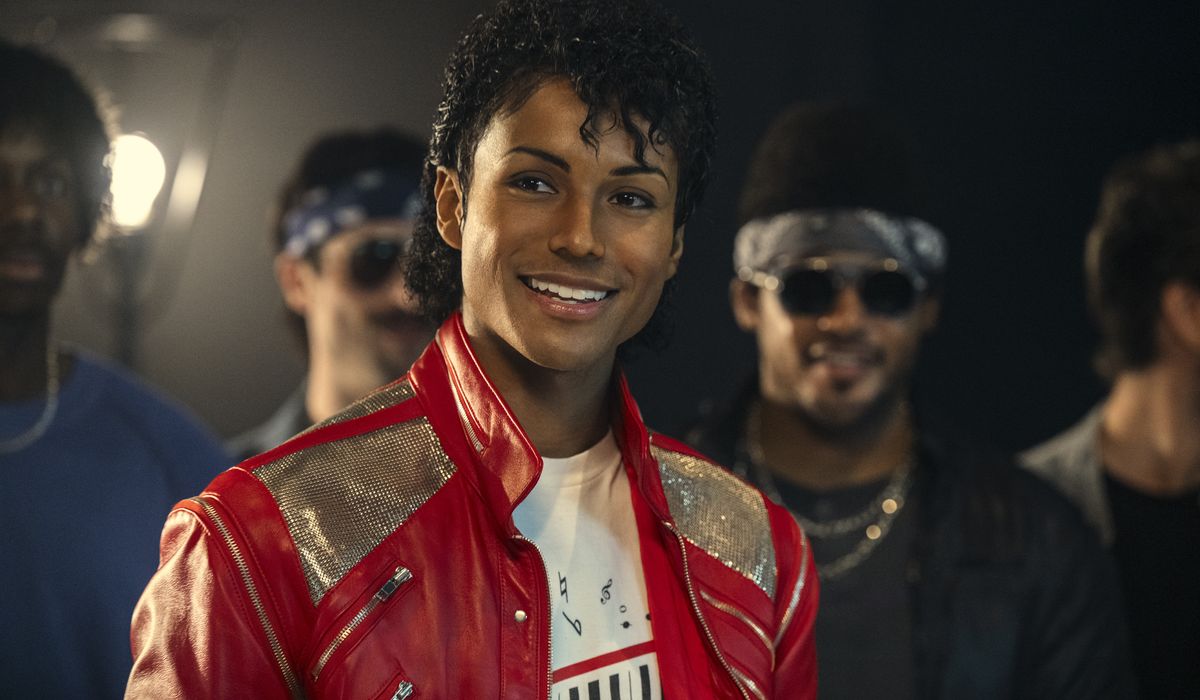
Dan Reed, who made the 2019 HBO film that featured Wade Robson and James Safechuck accusing Jackson of grooming and sexually abusing them as children, has publicly commented on Antoine Fuqua’s “Michael&q” and the ongoing debate over how to portray Michael Jackson’s legacy.
The conversation around Michael Jackson keeps coming back, partly because the issues are complex and partly because public memory does not age the same way private evidence does. Filmmakers, journalists, and the families involved all bring different priorities to the table, and that clash shows up in how stories are told and received. Audiences now expect more context and accountability from docmakers than they did a decade ago.
Dan Reed’s 2019 documentary thrust the allegations from Wade Robson and James Safechuck into the mainstream and forced a broader reassessment of Jackson’s career and character. Those interviews shifted public attention and created a new frame for reporting on the allegations. Whether viewers accept that framing or reject it, the film changed the conversation and set a benchmark for subsequent coverage.
When Reed commented on Antoine Fuqua’s “Michael&q” he stepped back into that contested space, where creative license, legal risk, and ethical reporting all intersect. Filmmakers who tackle celebrities with complicated legacies face the challenge of balancing narrative drive with careful verification. Audiences rightly scrutinize sensational claims, but they also crave narratives that feel complete and honest.
The practical realities of producing such films are often invisible to viewers. Access to sources can be uneven, memories can differ, and legal constraints can limit what can be shown or said. That does not excuse sloppy work, but it does explain why two documentaries on the same subject can look nothing alike in tone and emphasis.
For the people who speak on camera, the process is personal and lasting. Survivors and accusers who appear in documentaries expect their words to be handled with respect and accuracy, and that expectation informs how interviews are conducted and edited. For audiences, those interviews become the raw material of public judgment, whether the viewers intend to act on that judgment or not.
Producers and directors also wrestle with commercial pressures. Streaming platforms and broadcasters want content that will generate attention and subscriptions, which sometimes nudges storytellers toward dramatic arcs. The result can be uneven: strong reporting side by side with moments that feel engineered to provoke a reaction rather than to illuminate.
Legal teams and estates add another layer of complication. When a high-profile subject like Jackson is involved, the potential for litigation alters how material is prepared and what gets released. Even when allegations are widely discussed, the threat of a lawsuit can limit how aggressively a filmmaker pursues certain lines of inquiry. That reality influences the final cut in ways the audience might not notice.
At the same time, critics and fans push back in different ways. Some say filmmakers rush to judgment, while others argue storytellers have a duty to give voice to those who say they were harmed. Both positions raise valid points, and productive criticism should pressure creators to sharpen their craft without silencing testimony. The best work resists easy headlines and earns trust through transparency.
Public debate about Jackson’s legacy shows how difficult cultural reckoning can be. It forces institutions and individuals to reassess past praise and complicity, and it tests whether art can survive close scrutiny of the artist. For many viewers, the debate is not about wiping away achievements, but about holding separate the work from the conduct, even when disentangling them is painful.
Documentaries will keep trying to make sense of figures who lived in the spotlight, and audiences will keep deciding which versions of a life they believe. That interplay between storytellers and viewers is where reputations are remade, sometimes slowly and sometimes abruptly. As the conversation continues, expect new projects to revisit old claims and to push for the kind of clarity that both critics and supporters say they want.

