

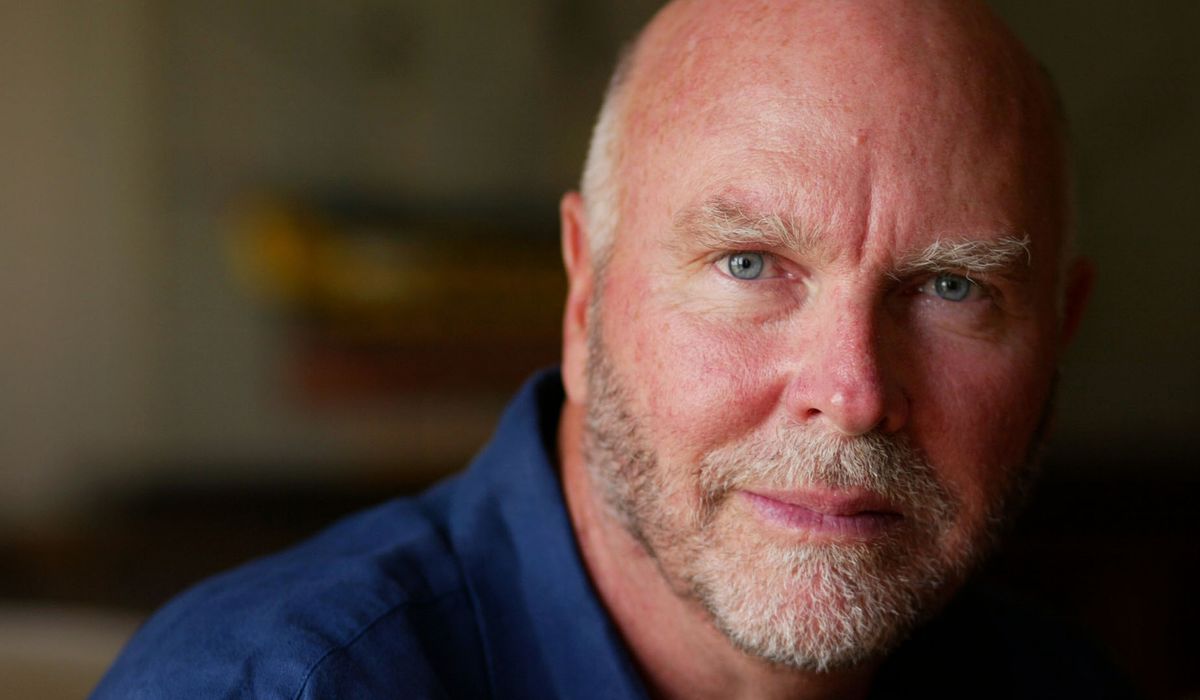
J. Craig Venter, who mapped the first draft of the human genome, died Wednesday. He was 79.
J. Craig Venter was a scientist who pushed genomics from slow, academic work into rapid, commercial practice. He led teams that produced the first draft of the human genome and then drove efforts that showed how genes influence health, disease, and biology more broadly. He combined big‑picture thinking with a pack‑rat appetite for new technology, and that mix changed how biology gets done.
Venter is best known for using a fast, data‑driven approach to sequencing that accelerated the race to a human reference sequence. His group used whole‑genome shotgun sequencing and computational power in ways that startled established labs. That technical leap didn’t just finish a project, it rewired expectations about how quickly genetic information could be produced and used.
His stint at Celera Genomics in the late 1990s brought private industry into a field that had been largely government funded, and it forced an awkward, productive rivalry with the public Human Genome Project. That clash was controversial at the time because it raised questions about access, patents, and who owns genetic data. The tension also helped clarify why open data matters and how fast innovation can follow when markets and science collide.
Beyond the human genome, Venter chased discovery in unexpected places, sending boats into the ocean to sample microbial life and uncover thousands of previously unknown genes. Those Global Ocean Sampling expeditions showed that genomics was not just a human endeavor but a tool for cataloguing life on Earth. The work expanded the genetic catalog available to researchers and seeded advances in ecology, biotechnology, and enzyme discovery.
In 2010 his team reported creating a bacterial cell controlled by a chemically synthesized genome, a milestone that sparked excitement and heated debate. That experiment made clear the power of DNA as both code and material, and it raised ethical questions that scientists, regulators, and the public are still sorting through. The synthetic cell underscored Venter’s habit of turning bold ideas into experiments that force a field to confront its limits.
He also founded institutions that carried his approach forward, most notably the J. Craig Venter Institute, which blended basic research, applied science, and entrepreneurial energy. His labs kept pushing sequencing costs down while building tools for population genomics, personalized medicine, and environmental sampling. Those infrastructures no longer belong to a single man; they are fixtures that others will use in different directions.
Venter’s career was a study in contradictions: fiercely private at times and fiercely public at others, celebrated for scientific insight and criticized for market tactics. He was a provocateur who enjoyed shaking up established practice, and that personality created both allies and adversaries. What he did not do was stay quiet; he wanted results, and he pushed teams and funders to deliver them fast.
The techniques and datasets Venter helped create are now woven into everything from diagnostic workflows to biodiversity surveys. Researchers continue to mine the archives of sequence data he helped build, and companies keep commercializing methods that grew out of his labs. His death ends one personal chapter, but the tools, debates, and projects he launched will keep shaping research for years to come.

