

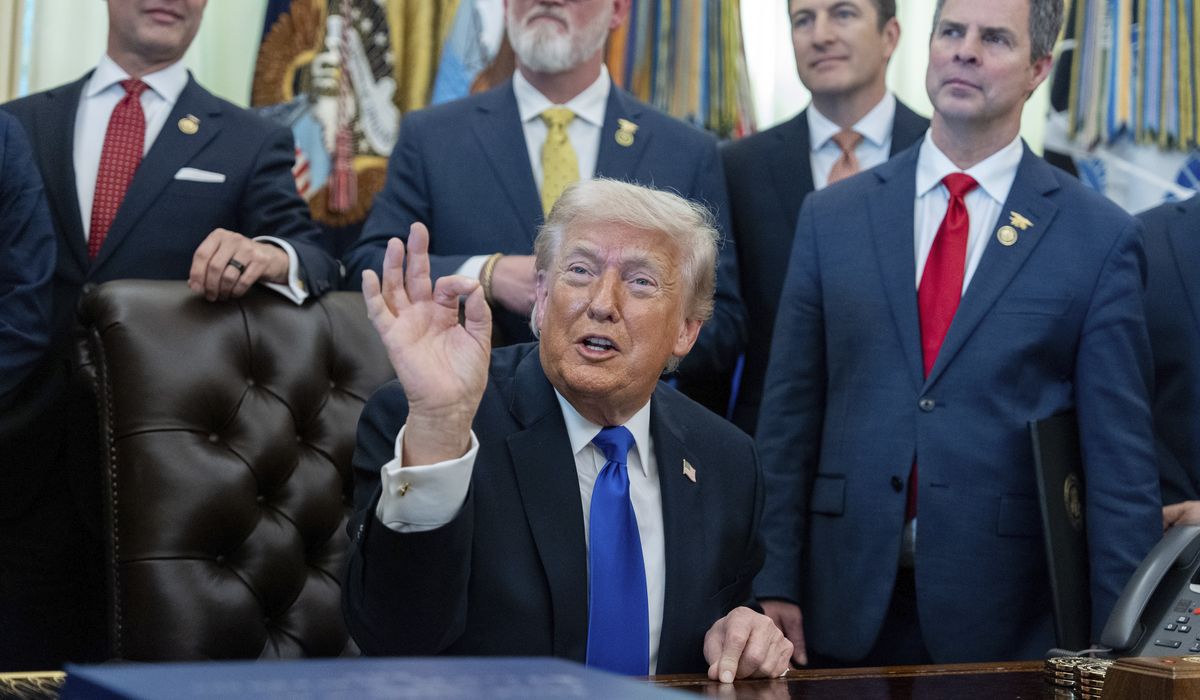
President Trump’s approval greenlights a Canada-to-U.S. oil pipeline project, moving a major cross-border energy link forward while drawing comparisons to past pipeline debates.
President Donald Trump granted a key approval Thursday for a major new oil pipeline from Canada into the U.S. that’s been dubbed “Keystone Light” over its similarities to a contentious earlier project. The decision clears an important regulatory hurdle and signals a federal preference for energy infrastructure that boosts supply and supports commerce. Supporters see this as a straightforward step toward reliable energy and more jobs. Critics will push back, but the administration chose to prioritize energy access and economic benefits.
The pipeline plan aims to move crude oil across the border, tapping Canadian production and routing it to American refineries and markets. From a policy standpoint, the move underscores a Republican approach: build energy capacity, reduce reliance on volatile foreign sources, and let American industry operate with clearer rules. Proponents argue pipelines are the safest, most efficient way to transport large volumes of oil and to stabilize prices for consumers and manufacturers. That argument resonates in states that rely on energy jobs and manufacturing supply chains.
On jobs, the pipeline promises construction work, maintenance roles, and spin-off hiring in local communities. Republicans point to the immediate boost construction brings, including hires for truckers, welders, and site managers, plus longer-term operations staff. They frame approval as practical economics—invest where returns are tangible and where permit certainty unlocks private capital. For rural counties along the route, that kind of predictable investment can be a lifeline.
Energy security is front and center for supporters who treat pipelines as national infrastructure rather than political footballs. Bringing Canadian oil through a regulated pipeline under U.S. jurisdiction reduces exposure to global chokepoints and volatile maritime routes. It also keeps energy partnerships with a close ally on firm commercial footing. Those are the kinds of sober trade-offs Republicans emphasize when weighing permits against protests.
Environmental concerns will remain part of the debate, and the approval does not erase those worries. The Republican framing accepts environmental review but stresses engineering, monitoring, and industry standards that minimize spill risks. Regulators and operators will point to modern materials, leak detection systems, and strict response plans as reasons the pipeline is a lower-risk option compared with rail or road transport. That practical comparison is central to the administration’s case for construction over cancellation.
Economically, the pipeline could lower transportation bottlenecks that have pushed regional price spreads and refinery margins at times. Republicans argue that improving throughput helps consumers by easing supply constraints and supports downstream industries that depend on predictable feedstock costs. Investors and energy firms typically value the certainty created when major projects win timely approvals, and that dynamic tends to attract further private investment. Local tax bases and state revenues also benefit when long-term assets operate within their borders.
Politically, the decision plays into a broader narrative about governance and priorities. The administration frames the move as consistent with a platform that champions domestic energy development, infrastructure permitting reform, and economic growth. That narrative appeals to voters who favor tangible job creation and to regions where energy production remains central to identity and livelihoods. Opponents will continue to mobilize public and legal challenges, but the federal sign-off changes the ground from speculation to implementation.
Regulatory follow-up will matter: final permits, oversight terms, and coordination with state agencies will shape the timeline and scope of construction. Republicans tend to favor streamlined processes that preserve rigorous review while avoiding indefinite delays. The next phase will test whether regulators and industry can align on safety protocols and construction schedules that keep costs manageable and completion realistic. Ultimately, momentum now belongs to those advocating for energy infrastructure as a public and private good.

