

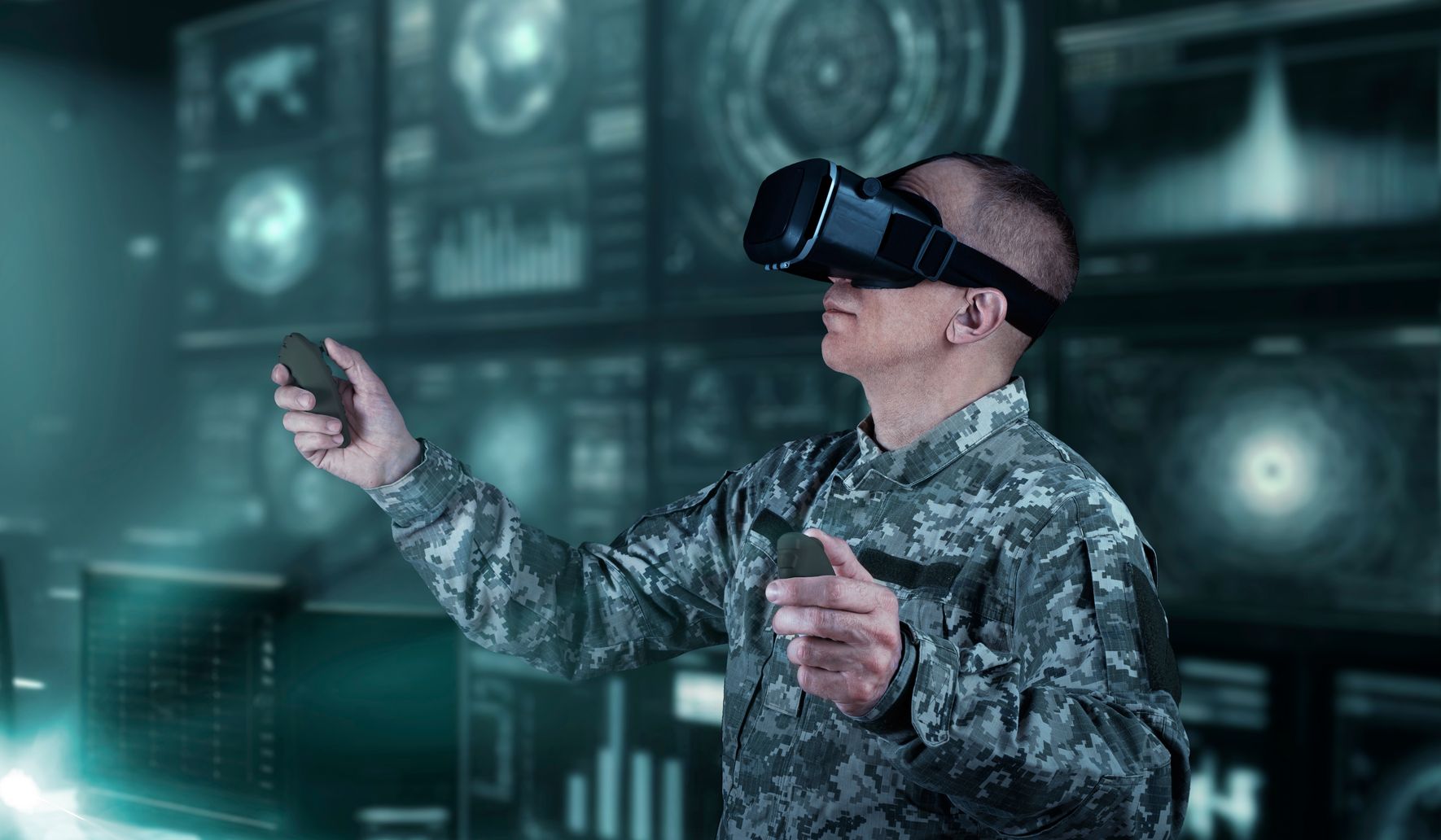
The Pentagon said on Friday it reached agreements with seven of the world’s largest artificial intelligence companies to bring advanced AI tools into U.S. military networks.
The Pentagon announced agreements with seven of the world’s largest artificial intelligence companies Friday to integrate the advanced technology into U.S. military networks. Officials framed the move as a way to accelerate safe adoption while keeping control over how those tools are connected to military systems. The partnerships are being described as a mix of testing, access arrangements, and compatibility work rather than a single procurement contract.
Under the agreements, the services expect to explore practical uses such as faster data analysis, automated monitoring, and improved logistics planning while keeping sensitive systems isolated. The idea is to pair commercially developed models with Defense Department safeguards so artificial intelligence can enhance human decision-making without replacing critical judgment. That approach focuses on tools that support operators rather than handing them full autonomy over weapons or strategic choices.
Security and data handling are central concerns in these arrangements, and the Pentagon is stressing controls around what models can access and what data they can process. Officials say the purpose is to prevent leaks, limit exposure of classified material, and ensure models are tested against adversarial inputs before wider deployment. The emphasis is on measurable protections — technical and contractual — that define permitted uses and prohibitions inside military networks.
Partnerships with major AI firms also aim to reduce friction between fast-moving commercial innovation and the military’s slower acquisition cycles. By creating standardized interfaces and shared testbeds, the Pentagon hopes to speed evaluations so promising capabilities can move from lab to field more quickly. The goal is practical interoperability: letting commanders access vetted tools without complex one-off integrations each time a new capability appears.
Operational benefits the Defense Department mentions include faster intelligence processing, automated maintenance forecasting, and improved resource allocation during training and deployments. Commanders could receive synthesized insights from large sets of sensor data rather than wading through raw feeds, saving time in planning and response. The Department is careful to note that human oversight remains the cornerstone of any decision that could have strategic consequences.
There are clear trade-offs and critics who warn about overreliance on third-party models and the risks of opaque algorithms in sensitive contexts. How the Pentagon audits model behavior, enforces transparency, and verifies claims about performance will matter for ultimate trust. Those mechanisms will likely shape whether these partnerships remain temporary experiments or become long-term parts of military infrastructure.
Industry participation is attractive to both sides because it channels commercial research into defense requirements while providing vendors a realistic environment to test robustness and safety. For companies, cooperation can offer clearer requirements and repeatable feedback from operational users; for the military, it brings access to cutting-edge capabilities without bearing all research costs. Both parties will need ongoing dialogues about liability, update cadence, and how to respond when models fail in unexpected ways.
The agreements also reflect a broader trend: militaries worldwide are trying to harness commercially driven AI while grappling with governance and legal frameworks. The Pentagon’s approach so far favors controlled adoption with layered protections, continuous testing, and human-in-the-loop safeguards. Whether that balance proves sufficient will depend on careful implementation, independent evaluation, and transparent reporting on outcomes and incidents.
Implementation will require clear policies on model updates, incident reporting, and third-party audits to ensure systems behave as intended under stress. Training personnel to understand model limitations and failure modes is just as important as the technical protections put in place. Success will be judged by how well these tools improve specific tasks without introducing unacceptable new risks into military operations.
If these agreements lead to robust, secure integrations, they could change how the Defense Department approaches routine planning, data processing, and mission support. If they fall short on safeguards or oversight, they risk creating brittle dependencies on opaque systems. Either way, the current effort marks a notable step toward formalized collaboration between the Pentagon and major commercial AI providers.

