

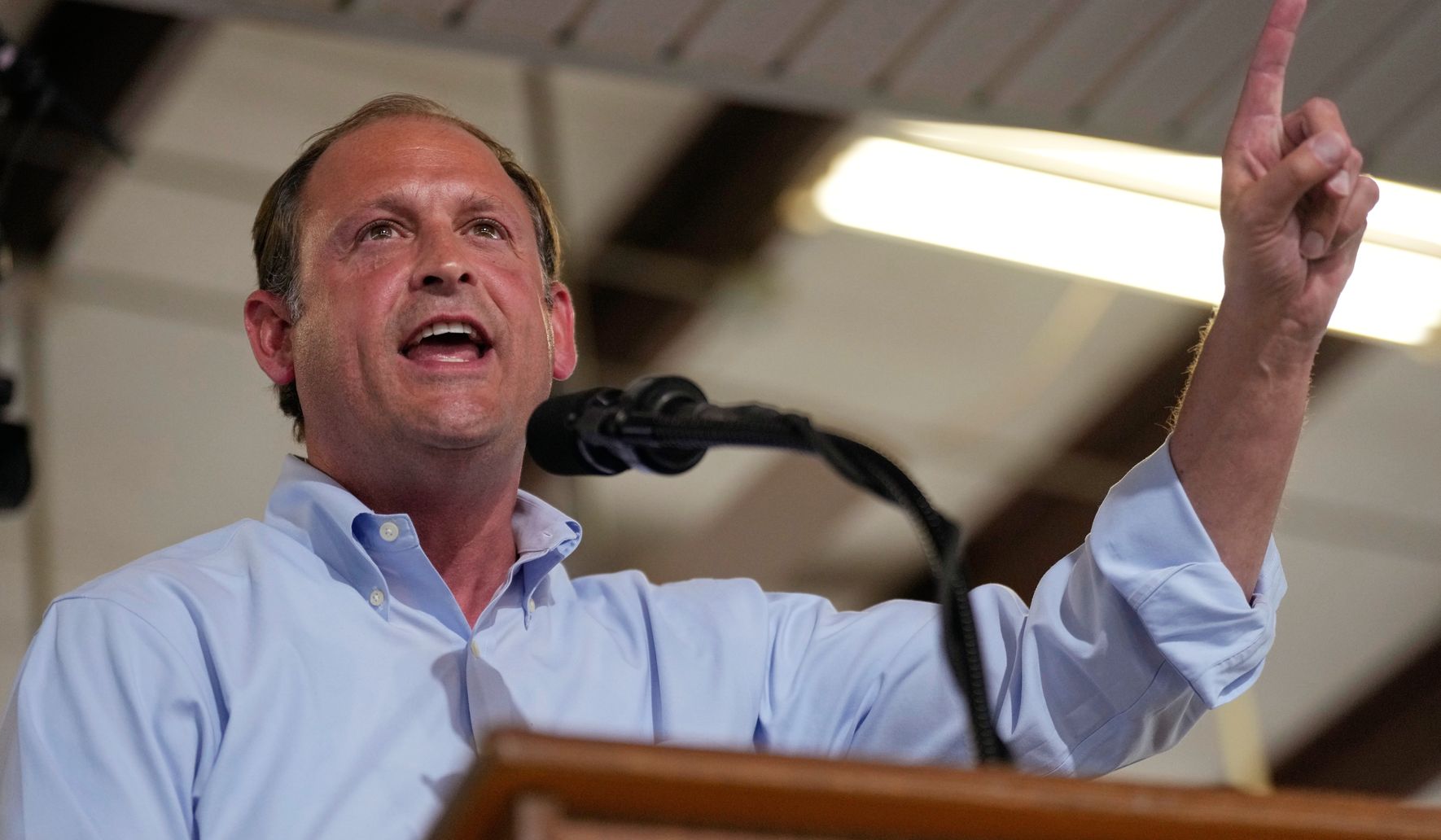
President Donald Trump on Friday endorsed Kentucky congressman Andy Barr in the Republican primary for the U.S. Senate seat being vacated by retiring Sen. Mitch McConnell.
The endorsement lands as a clear signal from the party’s center of gravity and immediately reshapes the primary conversation. Trump’s backing in a brittle, competitive environment gives Barr both momentum and a ready audience. Supporters and rivals will now recalibrate strategy around a high-profile presidential nod.
Andy Barr has represented Kentucky in the U.S. House and now steps into a wider statewide contest with Trump’s public support. That support translates into name recognition and access to a base that still responds to Trump’s cues. For Republican voters, this is a fast shortcut to evaluating who aligns with the movement that dominated the last two cycles.
McConnell’s decision to vacate the seat opens a rare pickup opportunity and also a test of intra-party authority. The senator’s retirement removes a long-established incumbent advantage and hands the nomination fight to the grassroots and the endorsements that matter. In contests like this, a presidential endorsement can change the narrative overnight.
Trump’s influence over GOP primaries is not theoretical at this point. He has repeatedly determined winners in crowded fields by signaling whom his coalition should rally behind. That pattern makes his endorsement a practical campaign event, not just a symbolic moment.
Barr’s message in the wake of the endorsement will matter as much as the endorsement itself. He needs to show conservative credibility on kitchen-table issues voters care about, while tying that record to the promise of delivering a Senate vote for everyday concerns. The campaign will likely emphasize economic and cultural priorities familiar to the party base.
Campaign dynamics in Kentucky combine local culture with national stakes. Voters there pay attention to both state issues and the larger fight for control of the Senate. Candidates must be fluent in both lanes to win primary voters who care about character and results.
Fundraising and ground game shift quickly once a high-profile endorsement lands. Donors who were waiting for cues will make decisions fast, and grassroots organizers will prioritize resources where they see the best shot at victory. That practical shift often decides early contests and builds momentum heading into later voting.
Rivals in the primary will face a new political calculus after Trump’s announcement. Some will try to differentiate on policy or conservative authenticity, while others may pivot to alternative networks of influence. The primary is now as much about competing endorsements as it is about competing ideas.
The national party will be watching closely because that Kentucky seat has implications for legislative math. Control of the Senate affects judges, federal spending, and regulatory priorities that matter to the Republican agenda. Winning that seat will be treated as a strategic necessity by leaders in Washington.
For Barr, the endorsement is an opportunity to lock down the right-of-center coalition while sharpening outreach to undecided primary voters. He can capitalize on Trump’s standing to secure early commitments and to set the terms of debate. But converting an endorsement into votes still requires disciplined campaigning and clear, resonant messaging.
Local endorsements and endorsements from state leaders will now be weighed against the national signal. Some local conservatives may welcome the clarity, while others will test their independence. Those dynamics will play out in county fairs, town halls, and local media over the coming weeks.
Expect Barr’s opponents to highlight any vulnerabilities and to press on how he will deliver on conservative priorities in the Senate. That’s standard primary fare, and it will be sharper now that the race is narrower in focus. The contest will test who can best translate conservative promises into a practical Senate agenda.
Voter turnout patterns will be an early indicator of how the endorsement lands. Primary voters tend to be engaged and decisive, and a clear signal from a national figure often mobilizes a specific segment of the electorate. Campaigns will watch precinct returns and early markers to fine-tune their approaches.
Media coverage will amplify the endorsement and track its ripple effects in fundraising, polling, and endorsements from other leaders. That attention helps frame the race for voters who follow national signals more than local nuance. For Republicans, the narrative will be about priming an effective candidate to defend and expand conservative gains.
What comes next is a straightforward political fight: candidates will battle for heartland voters, for cash, and for organizational strength. With Trump’s endorsement on Barr’s side, the contest will be different than it was a week ago. Voters in Kentucky will soon deliver their verdict on that difference.

