

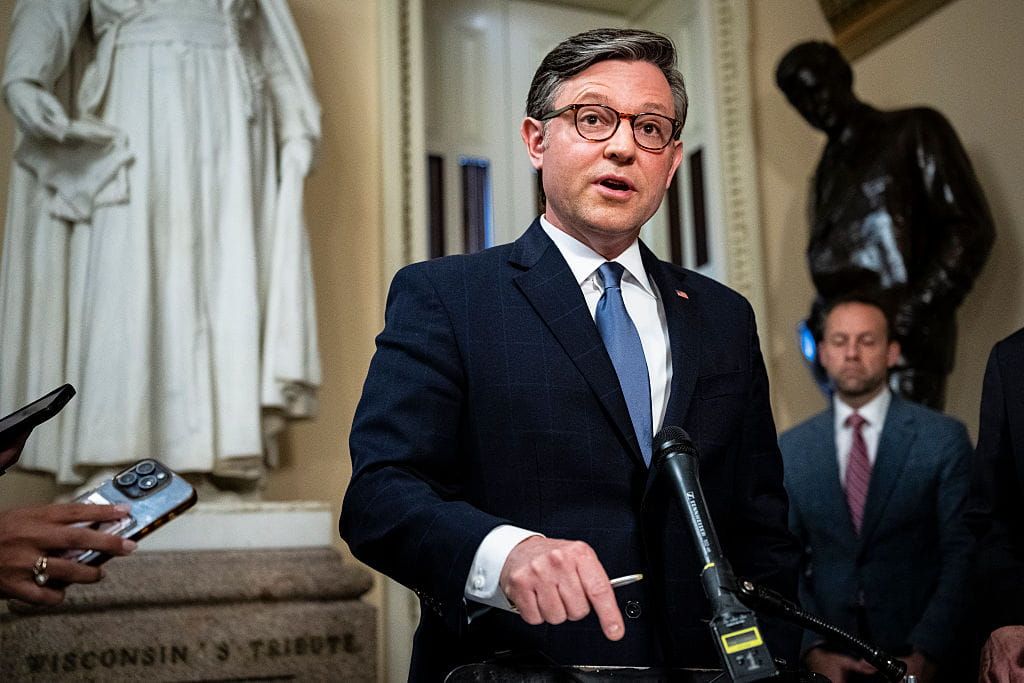
The House delivered a bruising week of wins for the GOP, securing funding for the Department of Homeland Security, advancing FISA reauthorization with reforms, and passing a farm bill, all after sharp internal fights and tough negotiations.
Republicans in the House pushed through several major measures this week, forcing difficult choices and winning hard-fought policy victories. Those wins came with real political cost inside the conference and heavy bargaining with the Senate and the White House. The result is a set of bills that reflect conservative priorities while also showing the limits of majority control.
“The GOP got DHS funding, FISA, and a farm bill – but they didn’t go easy.” That line captures the tone perfectly: steady results driven by pressure, not charm. Members had to fight to keep conservative guardrails in place while also accepting compromises that some rank-and-file found bitter. The process underscored that governing requires both grit and a willingness to negotiate when it protects core principles.
On DHS funding, House Republicans insisted on accountability and border security language that pushes back against open-border policies. They tied money to oversight provisions and operational changes, making funding conditional on reforms rather than handing blank checks to the bureaucracy. That approach puts pressure on the agency to prioritize enforcement and deters unfocused spending that fails to secure the border.
The FISA debate tested Republicans on surveillance, civil liberties, and national security. Conservatives pressed for stronger limits on warrantless data collection and clearer standards for judicial oversight. In practice, the compromise keeps vital intelligence tools while adding reforms designed to prevent overreach and protect Americans’ privacy more robustly than the previous framework.
Passing a farm bill was a win for rural voters and an opportunity to protect agriculture and food security. Republicans emphasized market certainty and support for family farms, resisting proposals that would have expanded costly mandates without clear benefit. The bill reflects a conservative preference for targeted assistance, regulatory relief, and policies that strengthen domestic production.
All three wins required trade-offs, and critics on the right rightly warned about concessions that dilute conservative aims. Leadership had to balance the need to deliver funding and policy with the imperative to keep the conference united. The messy internal debates are a sign of a healthy, if fractious, coalition that still demands conservative outcomes instead of safe PR victories.
Strategically, these victories give Republicans leverage heading into future negotiations on spending, oversight, and border policy. They also frame the party as the side willing to govern under pressure rather than collapse into performative opposition. For voters who prioritize security, fiscal responsibility, and rural interests, this week’s results offer tangible proof that the GOP can translate promises into policy.
Going forward, Republicans will need to maintain discipline and sharpen messaging so these wins resonate with the public. The work is not finishing; it is a new baseline for what the majority expects from itself. If the party keeps fighting for reforms and sticks to clear, conservative principles, these wins can become the foundation for broader policy victories and stronger accountability in Washington.

