

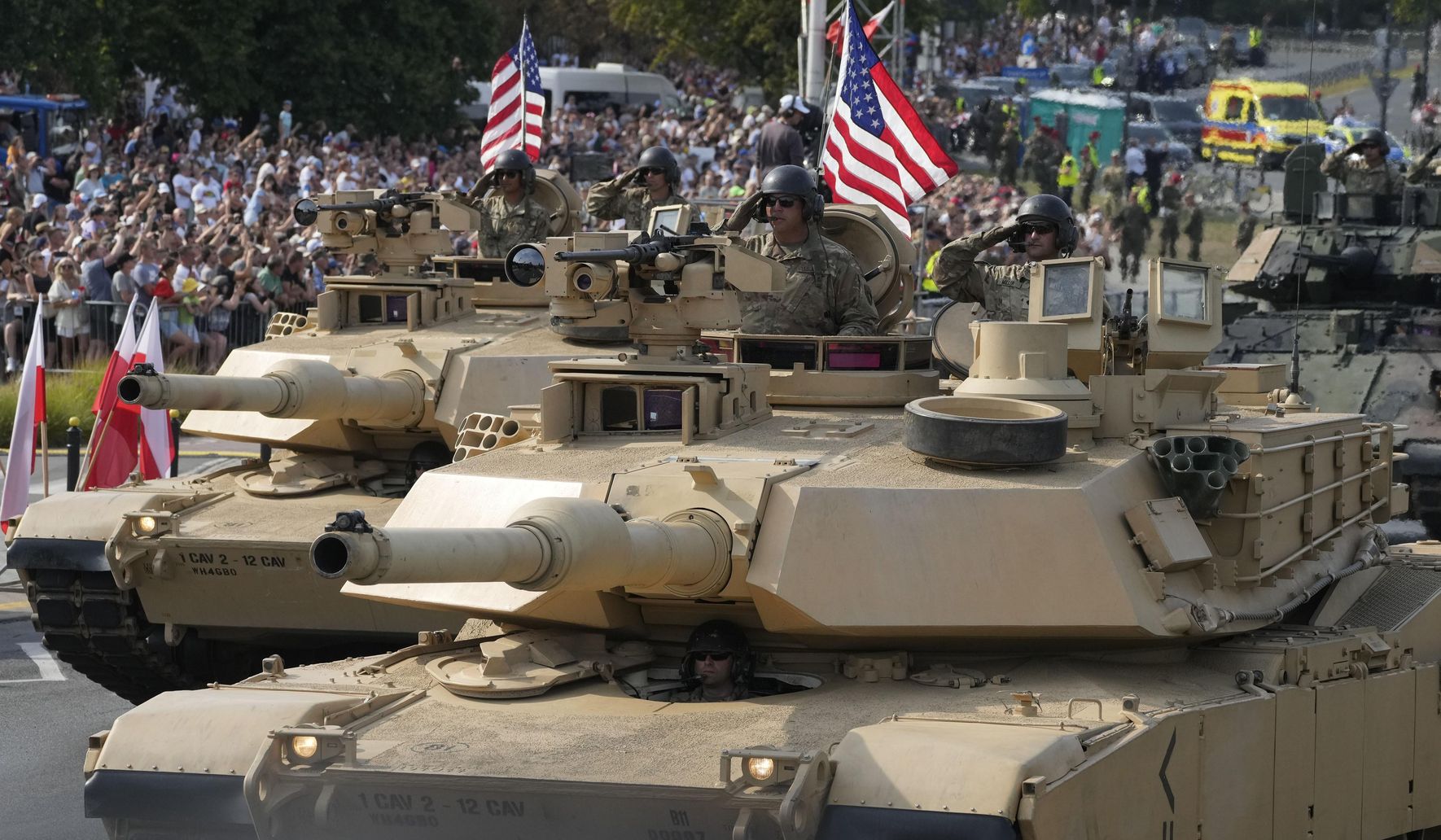
President Trump has announced plans to withdraw more U.S. troops from Germany beyond an initial reduction of 5,000, a step that Republican leaders in Congress describe as “very concerned” and that has refocused debate on American force posture, burden sharing with NATO allies, and the long-term strategic relationship with Europe.
President Trump says he will pull more U.S. troops from Germany after an initial reduction of 5,000, and the announcement landed fast in Washington and among allied capitals. Republican lawmakers reacted sharply, with some in leadership saying they’re “very concerned” about the decision and its implications for readiness and alliance cohesion. The move forces a conversation about how America uses its military overseas.
The administration frames troop adjustments as a legitimate rebalancing of forces and a push for fairer NATO burden sharing. From a Republican point of view, stationing choices should reflect American interests and taxpayer prudence, not automatic permanence. Allies in Europe must carry more of the cost for their own defense instead of relying on U.S. guarantees alone.
Critics warn that drawing down forces without a clear, transparent plan risks creating gaps in deterrence and logistics. Republican leaders acknowledge those risks while also arguing that predictable commitments do not require excessive forward presence in every location. The debate is as much about posture and purpose as it is about numbers on the ground.
There are valid operational questions about how equipment, bases, and command relationships will be managed during any pullback. Military readiness depends on supply chains, training areas, and interoperable forces, and those details can’t be an afterthought. Republican policymakers want clarity on timelines and contingencies so that units remain capable and allies understand what to expect.
European partners will feel the political pressure to strengthen their defense spending and capabilities if the U.S. reduces its footprint. That outcome is part of the logic driving the policy—encouraging partners to step up rather than assume perpetual American presence. Republicans often point out that stronger European militaries add to collective security and reduce the strain on American forces.
There are also domestic political calculations, with members of Congress balancing support for the president’s strategic instincts against concerns for service members and regional stability. Saying you’re “very concerned” captures that tension: many Republican lawmakers back the idea of smart burden sharing but want to ensure troop safety and alliance strength. Expect demands for hearings and briefings to pin down the administration’s plan.
From a strategic view, the U.S. has options beyond simply moving troops out of Germany, including repositioning forces within Europe, increasing rotational deployments, or enhancing rapid reaction capabilities. Republicans prefer options that preserve deterrence while trimming long-term stationing costs. The goal is to protect American interests without automatic, indefinite presence everywhere.
Detractors argue a withdrawal could embolden adversaries or unsettle smaller allies who count on visible U.S. commitments. Republicans counter that credible defense does not always require static bases and that modern logistics and prepositioned equipment can sustain deterrence in smarter ways. The conversation will hinge on how the administration aligns posture, readiness, and diplomacy.
Congress will press for specific timelines, redeployment destinations, and assurances about equipment and family support during any transition period. Republican leaders who are “very concerned” will likely press the Pentagon for clarity and may seek oversight measures to shape execution. At the end of the day, the debate is about balancing prudent stewardship of forces with preserving reliable American leadership on the global stage.

