

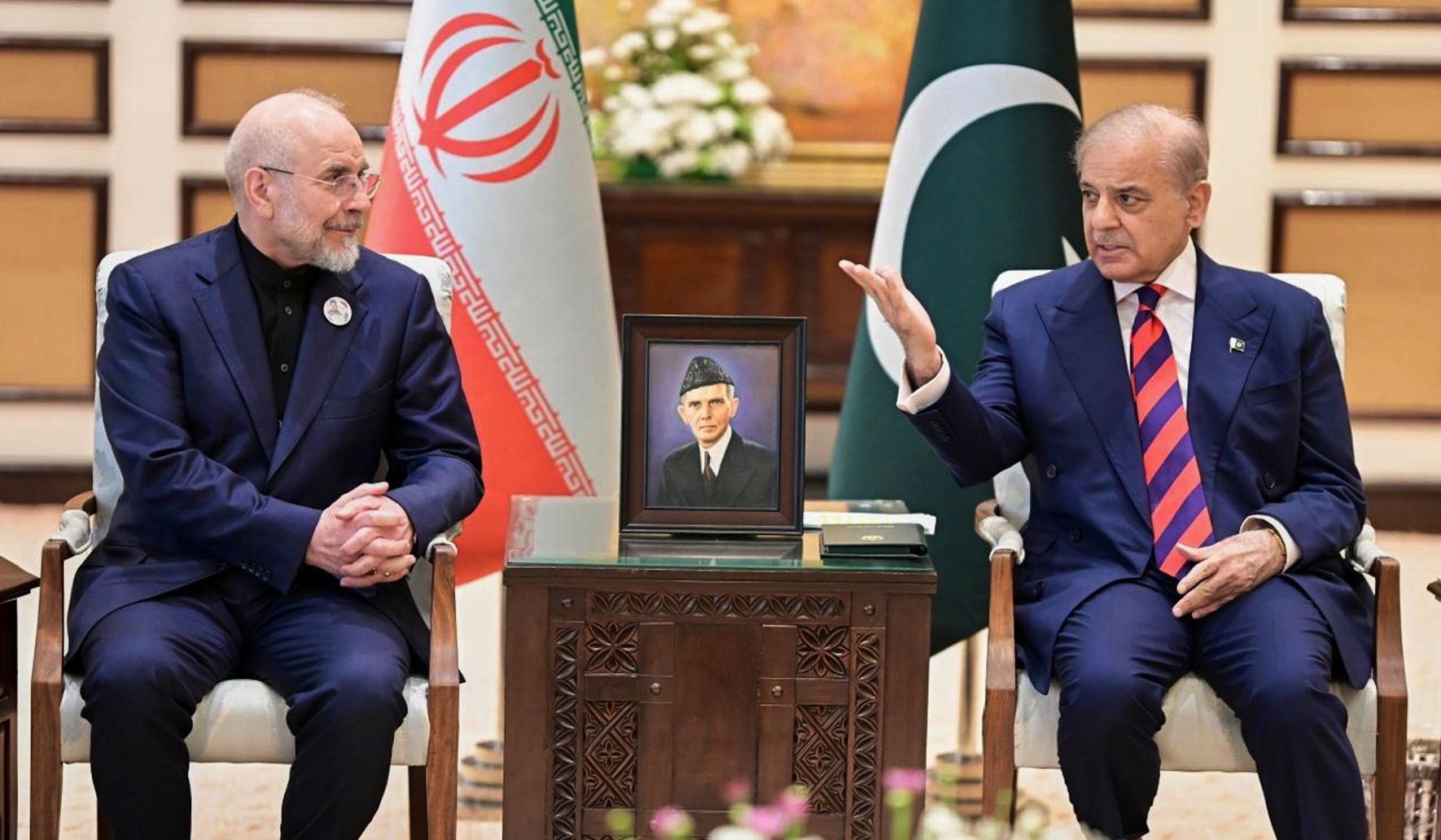
A top Iranian official accused the U.S. of violating the ceasefire in the Middle East with its blockade of Iranian ports, and the dispute underscores how fragile any pause in violence can be when strategic choke points and sanctions are in play.
That exact line frames the dispute plainly: “A top Iranian official accused the U.S. of violating the ceasefire in the Middle East with its blockade of Iranian ports.” The charge was made publicly and aimed squarely at U.S. actions that Washington describes as pressure to curb Iran’s ability to fund and arm armed groups across the region. From a Republican perspective, the U.S. sees those measures as leverage, not provocation, intended to protect allies and deter further escalation.
The blockade allegation highlights the messy interplay between diplomacy and force. Ceasefires are fragile arrangements that depend on both sides avoiding moves that could be interpreted as coercive, and naval interdictions are inherently escalatory even when framed as enforcement. Republicans generally argue that enforcing sanctions and restricting maritime traffic tied to Iranian military support is a reasonable response to a government that sponsors proxies and regional unrest.
Washington insists its steps are legal and targeted, meant to prevent weapons and advanced materiel from reaching militias and terrorist groups operating in Gaza, Lebanon, and elsewhere. In practice, that means monitoring shipping, imposing port restrictions, and coordinating with allies to deny Iran easy channels for arms transfers. Critics counter that even targeted measures can undermine stability and breach the spirit of a ceasefire, which is why every move plays out under intense scrutiny in global media and diplomatic circles.
On the Iranian side, officials benefit politically from portraying the United States as the spoiler of peace, and that narrative can mobilize domestic support while rallying regional partners. From a Republican standpoint, however, Iran’s complaints ring hollow if Tehran continues to supply proxies and glorify attacks against civilians and allies. The charge of violating a ceasefire becomes a political tool when paired with Tehran’s long record of asymmetric warfare and regional interference.
Operationally, a naval blockade or port restrictions are complex to implement without international cooperation, and they invite legal and logistical questions. Republicans tend to emphasize the need for clear rules of engagement and strong intelligence to avoid unintended incidents that could widen the conflict. The goal is to pressure Iran’s leadership while minimizing American footprints on the ground, relying on sanctions and maritime patrols as lower-risk instruments of policy.
Diplomatic channels remain necessary even when military measures are in effect, because back-channel negotiations and third-party mediators can prevent misunderstandings from becoming open conflict. From this vantage, enforcing sanctions and monitoring ports should be paired with active diplomacy to manage escalation. That approach aligns with a conservative preference for decisive pressure combined with options for negotiation when the adversary shows a willingness to change behavior.
Accusations will continue to fly on both sides as long as the underlying tensions persist. Republicans argue that firm, consistent pressure on Tehran is the responsible course to protect allies, deter future attacks, and preserve regional order without committing large numbers of American troops. Whether the blockade is labeled a violation or a necessary enforcement action depends on the lens you use, but the practical result is the same: both sides are testing boundaries while the rest of the world watches closely.

