

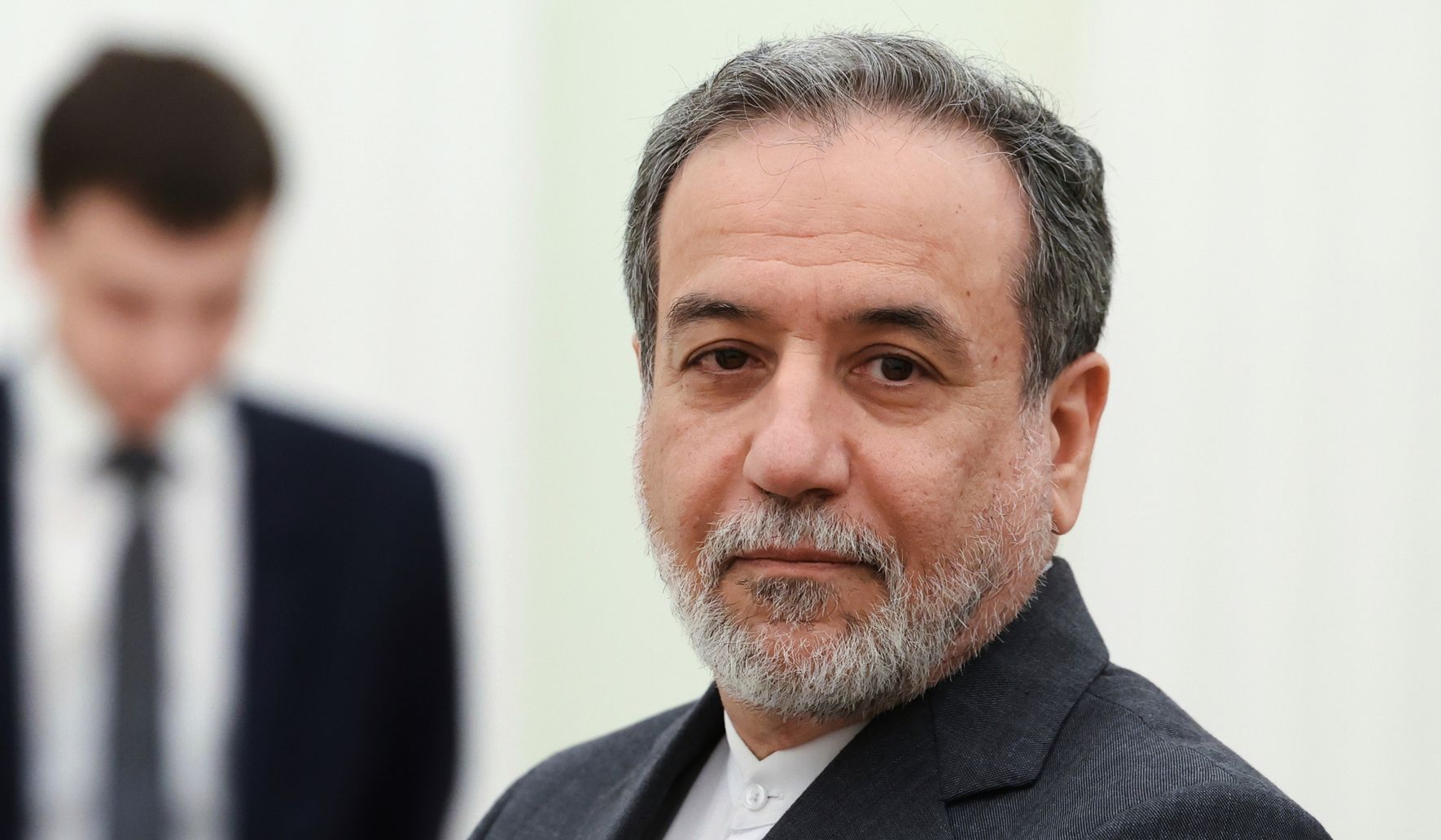
Iranian Foreign Minister Abbas Araghchi will travel to Beijing Tuesday for his first face-to-face meeting with his Chinese counterpart since the start of the war with the U.S. and Israel, a development that draws attention to Beijing’s growing role in Middle East diplomacy. The trip comes as regional tensions remain high and as Tehran looks to shore up political and economic relationships abroad. The visit sends a clear signal that Iran and China are deepening contact at a sensitive moment.
This visit matters because it places China at the center of negotiations and influence while a war involving the U.S. and Israel is underway. For months, Beijing has been positioning itself as a mediator and a trading partner for states that face Western pressure. From a Republican perspective, that shift raises national security concerns and questions about the balance of power in the region.
Abbas Araghchi’s stop in Beijing is likely to touch on trade, energy, and diplomatic coordination even if the official agenda remains limited. Iran has been under varying degrees of sanction pressure and is eager to find markets and partners that will keep its economy afloat. China offers a steady market for oil and a willingness to engage diplomatically that European and Western partners have often restrained from providing.
On the security front, any closer China-Iran alignment is a red flag for U.S. policy makers who see Beijing as a strategic competitor. Republican critiques typically highlight the risk that economic ties can bleed into military cooperation, intelligence sharing, or dual-use technology transfers. Even if the meeting stays focused on commerce and formal diplomacy, the optics of the encounter feed concern in Washington.
The timing of the visit, described as Araghchi’s first interaction with his Chinese counterpart since the start of the war with the U.S. and Israel, amplifies the stakes. It suggests Tehran wants to coordinate responses and secure political cover for its actions or positions in the conflict. That coordination can complicate any effort by the U.S. to rally international opposition to Iran’s policies or to isolate Tehran economically and politically.
Economically, China’s interest in Iran is pragmatic and long-term, centered on energy security and infrastructure opportunities. Beijing wants stable energy flows and access to development projects across Eurasia, and Iran sits at an advantageous crossroads. Republicans tend to view such arrangements skeptically, warning that trade dependencies can be leveraged by foreign regimes to exert political pressure.
Diplomatically, China can offer Iran legitimacy on the world stage without the human rights or nonproliferation strings that Western partners often attach. That creates a parallel diplomatic track for Tehran and undercuts efforts to use leverage through sanctions and multilateral pressure. From a Republican point of view, that undercutting weakens deterrence and rewards bad behavior.
The meeting will also be watched for signals about future cooperation on technology, ports, and logistics that could change regional supply lines. Any movement toward deeper connectivity would be of immediate interest to strategic planners concerned about maritime chokepoints and overland corridors. Republicans typically argue that U.S. policy should anticipate and counter such shifts rather than react after they harden into new realities.
What to watch for in public statements after the meeting are commitments on economic agreements, language on security cooperation, and references to third-party conflicts. Vague diplomatic language might mask substantial behind-the-scenes deals, while specific language will tell analysts where Beijing and Tehran are willing to take risks. Even without dramatic headlines, the visit itself recalibrates diplomatic relationships at a moment when alliances matter more than ever.
In short, Araghchi’s trip to Beijing on Tuesday is more than a routine visit; it is a test of how global powers will position themselves amid an active conflict involving the U.S. and Israel. The partnership between Tehran and Beijing will be scrutinized for clues about future alignments and the resilience of Western influence in the region. Observers on all sides will be parsing both the public readouts and quieter signals that follow this meeting.

