

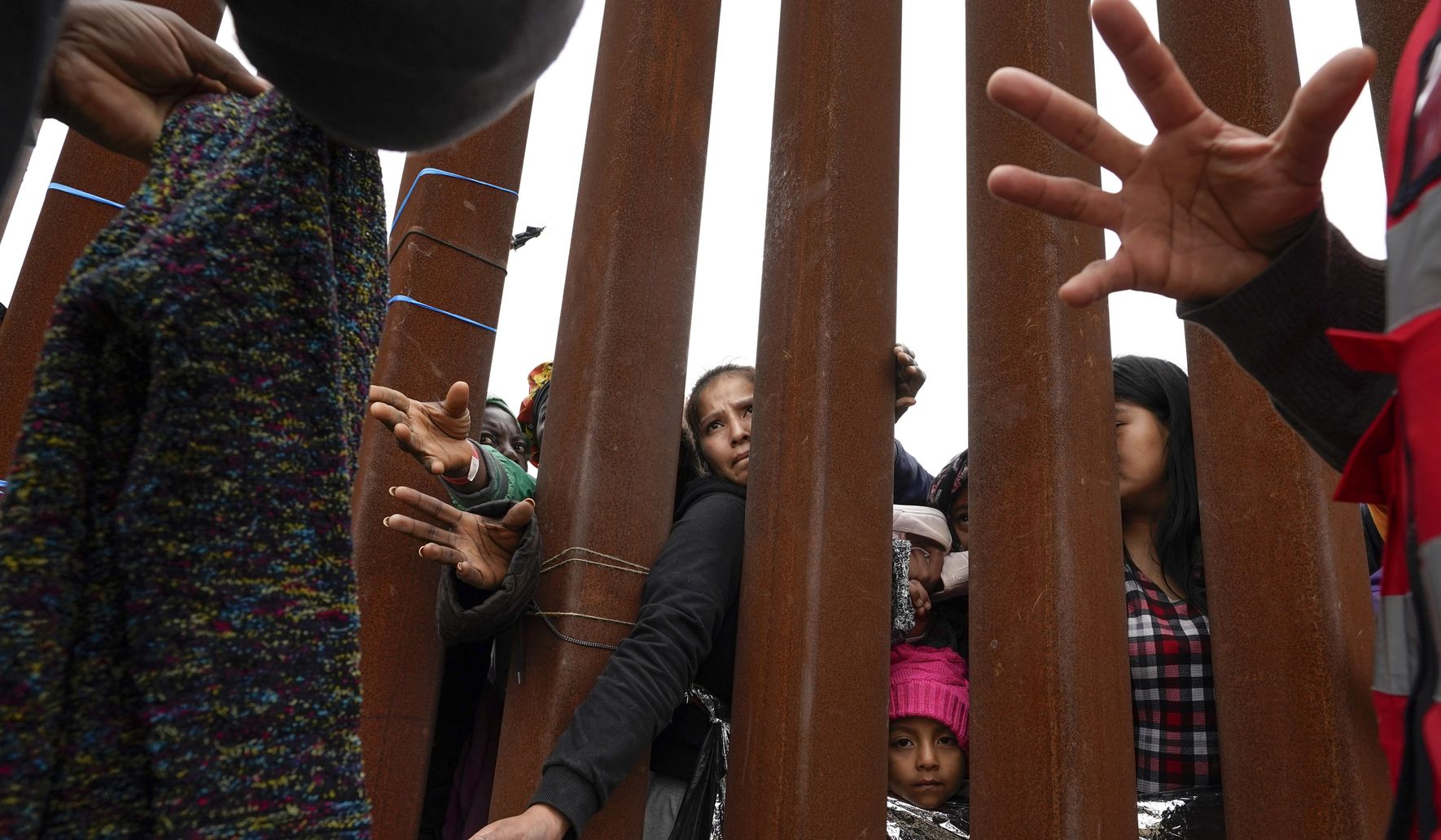
Poll results are sharpening the debate over border policy, showing widespread voter concern and giving Republican messaging a clear opening to argue for stronger enforcement, changes to asylum rules, and tighter controls on who enters the country.
“More than half of U.S. voters say that Democrats stand for open borders, a new poll shows.” That line landed where it matters: in voters’ perceptions of party identity and priorities. For many Americans, the word open borders signals both a policy and a promise they do not support.
That perception is politically powerful because immigration and public safety rank high on voters’ list of priorities. Republicans can point to the poll as evidence that messaging about secure borders resonates with a majority of voters. It shifts the conversation from abstract policy debates to concrete questions about control, law, and national sovereignty.
On the ground, concerns tied to migration are tied to local capacity, school systems, and public services that already feel strained in many communities. Voters worry about the cost and logistics of processing large numbers of arrivals, and they want predictable, enforceable rules. The GOP argument is that orderly, legal immigration benefits the country; chaos at the border does not.
Policy proposals that usually follow this line include stricter enforcement of existing laws, limiting catch-and-release practices, and speeding up deportation processes for those without legal claims. Republicans also favor measures to end incentives that encourage illegal crossings and to rebuild physical and technological barriers where needed. The message is straightforward: secure the border first, then create a sustainable legal pathway.
Economics plays into this as well, with voters asking whether public funds should be diverted to handle large influxes rather than local priorities like roads, schools, and health care. Conservatives frame border security as fiscal responsibility, arguing that unchecked migration increases short-term costs and strains budgets. That framing appeals to voters who are tired of surprise burdens on local services.
National security arguments are also central: vetting processes are harder to maintain when systems are overwhelmed, and the administration of migration controls weakens. Republicans use the poll to claim credibility on issues of safety and order, asserting that a clear policy must protect citizens first. This view ties immigration to crime prevention and intelligence screening in a way that matters politically.
Messaging from Democratic leaders often stresses compassion and reform, but the poll suggests many voters interpret those positions as leaning toward lax enforcement. That gap between intended policy and public perception is where Republicans aim to press their advantage. By framing the choice as between orderly legal rules and open-ended entry, conservative campaigns expect to consolidate support among concerned independents and swing voters.
Electoral stakes are immediate because immigration is a motivating issue for turnout in both parties, especially among suburban and rural voters worried about local impacts. Republicans see the poll as validation for steering campaign narratives toward border control and legal reform. They will likely push policymakers to craft specific, enforceable solutions instead of vague promises of comprehensive reform without enforcement mechanisms.
Voters want clear answers about how borders will be managed and how officials will balance humanitarian concerns with enforcement. The Republican position emphasizes law, order, and controlled admission processes as the way to protect communities and preserve public services. The debate now centers on translating that preference into concrete laws and procedures that voters can see and evaluate.

