

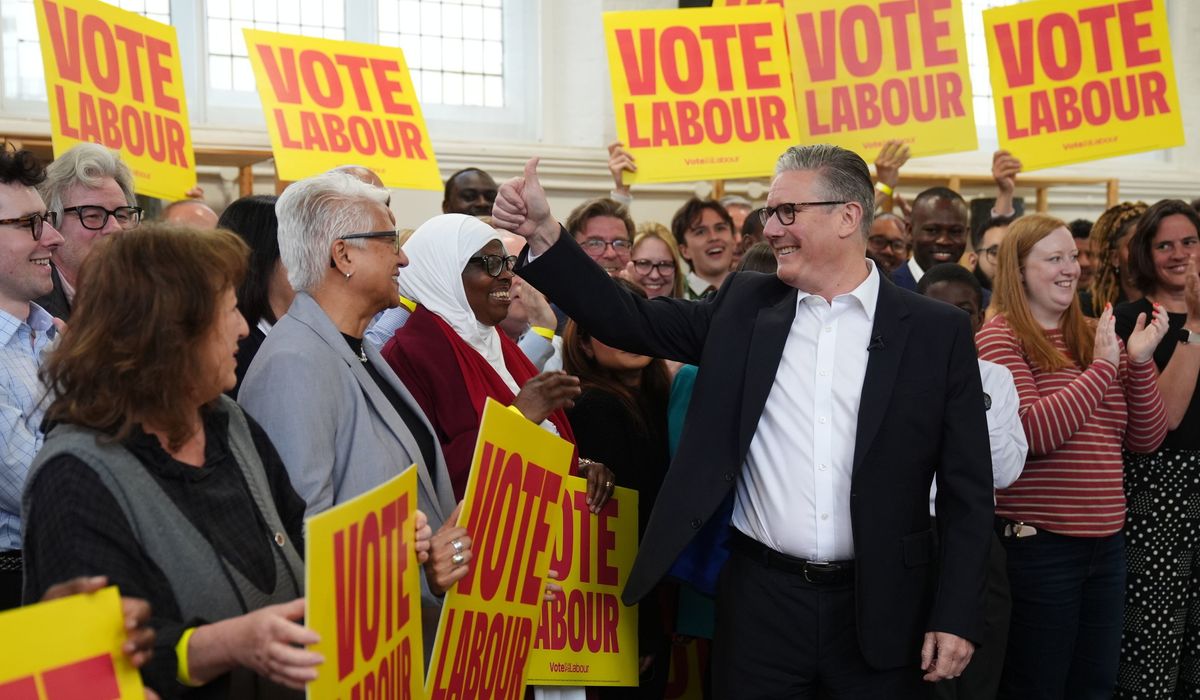
British voters head to the polls Thursday in contests that could speed the decline of Prime Minister Keir Starmer’s troubled tenure and underline how a fractured United Kingdom is testing national resolve.
Thursday’s ballots matter because local and regional results can ripple into national politics, shifting momentum and exposing divisions within the union. Voters are weighing standard-of-living pressures, public services, and questions about borders and national identity. For conservatives watching from elsewhere, the outcome is a reminder that competence and clear principles still win trust.
Behind the headlines, the elections are a referendum on leadership competence and the direction of government policy. Many voters measure politicians by whether they keep promises on public safety, fiscal discipline, and control of immigration. Those yardsticks are making this set of contests far more consequential than routine local races.
The state of the union itself is on the ballot, with regional fault lines becoming sharper and parties that once seemed stable now looking brittle. Scotland’s independence push and shifting loyalties in Northern Ireland are testing centuries-old arrangements and demanding serious answers from national leaders. Voters are increasingly uneasy about political fragmentation and want clear plans to preserve unity.
Economic concerns are top of mind, especially as households still deal with higher prices and strained public services. When voters feel squeezed, they look for leaders who prioritize common-sense spending, growth, and support for small businesses. A focus on efficient government and lower burdens on families resonates in a way that abstract promises do not.
Public safety and law and order remain decisive issues at the ballot box, with communities calling for policies that protect neighborhoods and support victims. Conservatives argue that clear rules and robust policing restore confidence faster than bureaucratic plans and fuzzy rhetoric. Where that message lands with local voters will shape how national debates evolve.
Immigration and border control are also central themes, as voters connect open-border consequences to pressure on services and housing. A controlled, lawful immigration system is presented as a practical step to stabilize communities and reduce strain on schools and hospitals. The capacity to govern borders is being framed as a measure of broader state competence.
Health services and public-sector performance are under scrutiny after years of strain and strikes that tested patience across communities. Voters want reliable care and commonsense reforms that improve access without bankrupting local budgets. Political leaders who promise realistic, accountable plans on the NHS are likely to find an attentive audience.
Local governance and accountability are receiving renewed attention, with voters asking whether councils are delivering on essentials like bins, roads, and social care. Conservative messaging emphasizes transparency, local control, and cutting waste as ways to restore trust. Election results will reveal whether that message converts to actual support on the ground.
There is also a cultural debate playing out around national identity, education, and civic values, and those arguments are influencing turnout and candidate selection. Many voters want clear commitments to teaching core skills, supporting families, and defending national traditions. Candidates who articulate concrete plans rather than symbolic gestures are likely to gain traction.
For the wider political landscape, these elections offer a test of Labour’s ability to hold onto power and of the Conservatives’ capacity to regroup and present a credible alternative. Political momentum can change fast at moments like this, and local victories can become the foundation for broader revival. Observers should expect nimble responses from all sides as results roll in and leaders reassess strategy.
The coming results will shape narratives about competence, unity, and the next phase of British politics, but they will do so without delivering tidy answers. Voters are sending a message about priorities and expectations, and politicians will have to show they can meet them with tangible policies and disciplined leadership. The stakes are practical and immediate, not abstract.

