

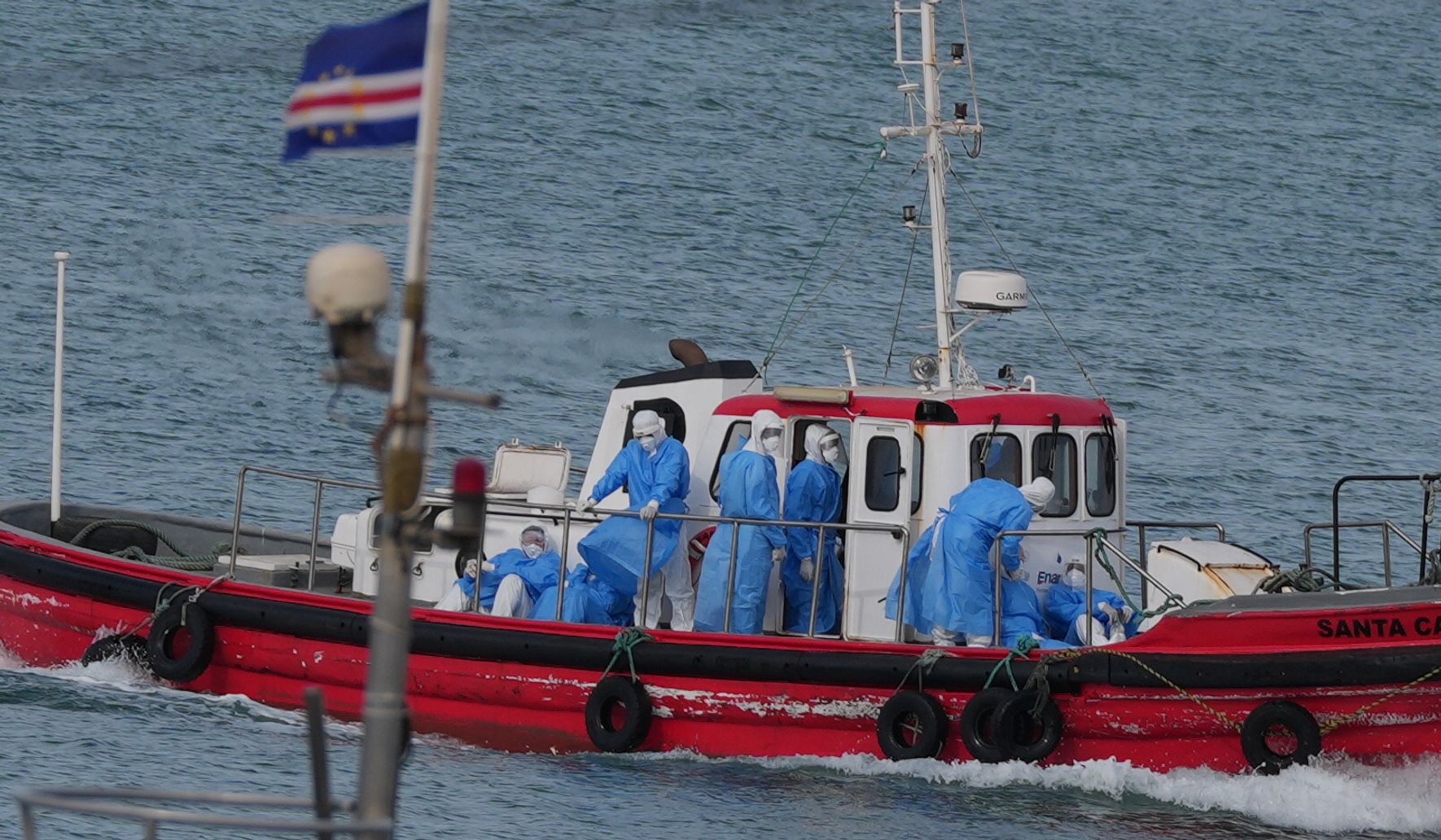
A cruise ship faced a serious health scare when three passengers with suspected hantavirus infections were slated for evacuation to the Netherlands, and international health authorities moved quickly to contain the situation.
Three patients with suspected hantavirus infections were being evacuated from a cruise ship to the Netherlands on Wednesday, the U.N. health agency said. That move came amid broad concern for passenger safety and the need to limit any further spread. The vessel at the center of a deadly outbreak drew immediate attention from port and health officials.
Hantavirus is a virus typically carried by rodents and can cause severe respiratory illness in humans in rare cases. Symptoms often start with fever, muscle aches, and fatigue before progressing to breathlessness and, in the worst instances, organ failure. Because early signs resemble common flu, authorities often scramble to distinguish routine illness from a more dangerous infection.
The report of suspected cases on a cruise ship raised multiple operational and public health challenges for the crew and shore authorities. Ships are closed environments where infections can spread quickly if not identified and contained. That makes swift isolation, diagnostic testing, and careful contact tracing essential to protect other passengers and staff.
Medical teams aboard and onshore coordinated to assess the three patients, stabilize those who needed it, and prepare them for safe transport to Dutch health facilities. Evacuation planning required strict infection control and logistical work to move patients without exposing others. Authorities emphasized that suspected cases must be confirmed by lab tests before declaring any definitive diagnosis.
Port health officials, the cruise line, and international health bodies worked together to manage information and resources in real time. Transparency with passengers and crew about potential risks, testing plans, and movement restrictions is critical to keeping panic from spreading. At the same time, officials must balance public communication with protecting patient privacy and preventing misinformation.
Hantavirus infections remain uncommon on ships compared with more familiar cruise-borne illnesses such as norovirus, but the severity of hantavirus demands heightened caution. The primary prevention strategy is environmental control to limit rodent exposure, which includes strict food storage, waste management, and regular inspections. For ships calling at ports with known rodent issues, extra vigilance from ship operators and port services is a must.
Laboratories use specialized tests to detect hantavirus antibodies or viral genetic material, and results can take time depending on where samples are sent. During that waiting period, clinical care focuses on respiratory support and monitoring for complications. The goal is always to stabilize patients while preventing transmission to others who might be vulnerable.
For public health authorities, an event like this triggers a sequence of protocols: isolate suspect cases, identify and monitor close contacts, inspect the vessel environment for rodent activity, and liaise with hospitals capable of advanced respiratory care. International guidance guides these steps, but local conditions and available capacity shape the practical response. Collaboration across jurisdictions helps ensure patients get timely treatment while risks to the community stay low.
The cruise industry faces reputational and logistical consequences whenever a serious infection is suspected on a ship. Schedules can be disrupted, ports may impose restrictions, and lines must manage customer relations and refunds under stressful circumstances. Still, operators who demonstrate competence in handling incidents and clear communication often mitigate long-term damage better than those who do not.
Passengers and crew can reduce risks by following onboard guidance, reporting symptoms early, and complying with isolation or testing instructions when asked. Routine hygiene, avoiding contact with rodents or droppings if noticed ashore, and prompt medical attention for severe symptoms are sensible precautions. Public health messaging aims to inform without alarming, giving people concrete steps rather than speculation.
Investigations after such incidents typically include environmental surveys of the ship, review of food-safety practices, and interviews to reconstruct possible exposure routes. Findings from those inquiries lead to corrective actions and sometimes to broader shipping and port recommendations. The purpose is always to learn and prevent future occurrences while protecting passengers and port communities.

