

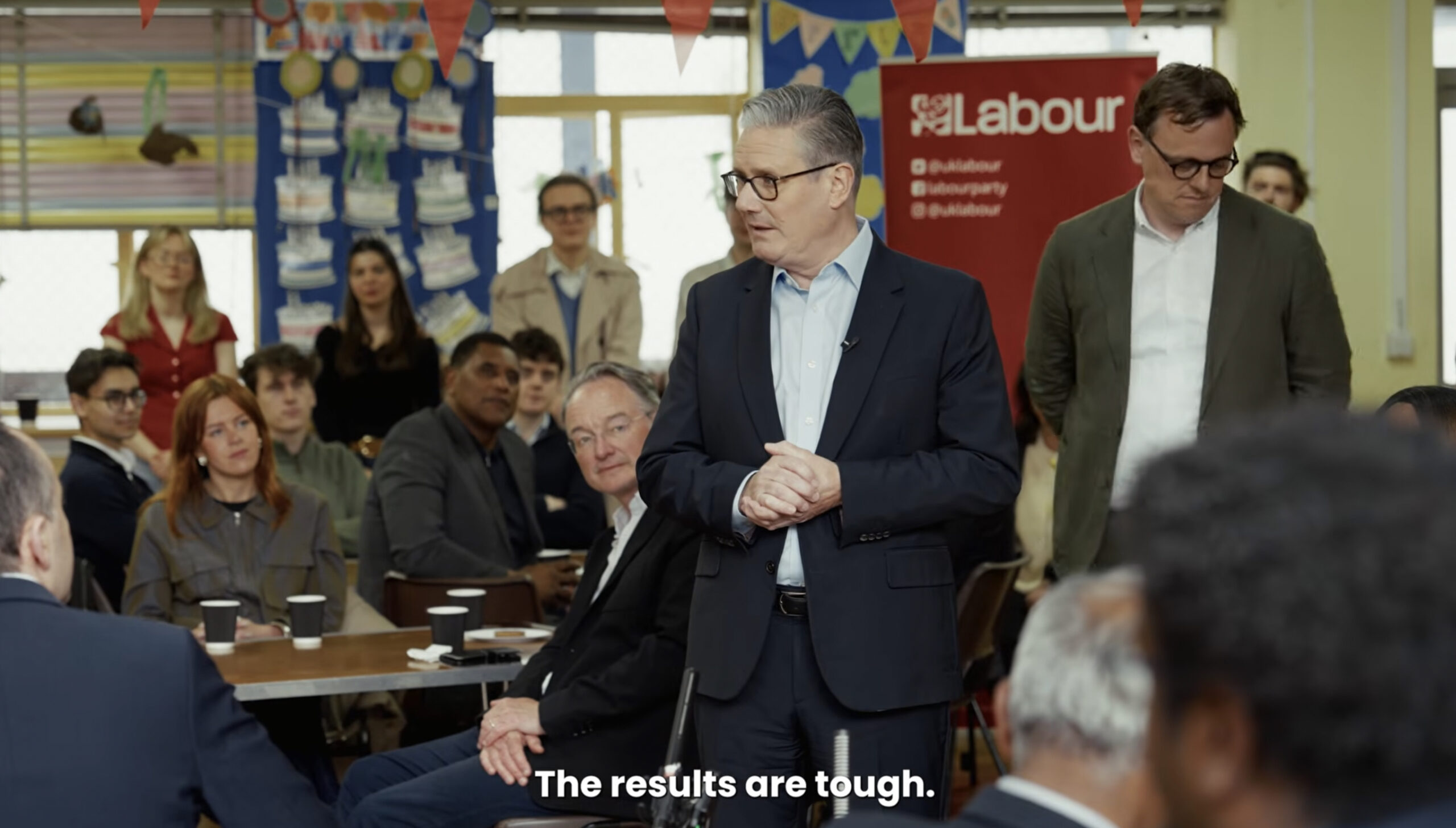
After years of institutional decline, mass immigration from unvetted Islamist refugees eroding British culture, and a long period of completely insane nanny state speech policing, far-left Prime Minister Keir Starmer’s Labour Party is bleeding to death in a confrontation with voters.
The institutions that once anchored public life in Britain feel weakened and out of step with everyday people. Public services, civic norms, and the sense of shared identity have frayed, leaving voters anxious about where the country is headed. That erosion sets the stage for sharp political consequences.
Immigration is at the heart of that unease, and it is framed here as a particular problem when screenings and vetting are seen as inadequate. The phrase “unvetted Islamist refugees” captures why many voters worry about integration, cultural cohesion, and security. Those concerns are fueling a broader cultural reaction against elites who are perceived as indifferent.
Many voters also point to what they call a nanny state approach to speech, where ordinary conversations are policed and opinions are punished. That pattern makes people feel constrained in how they talk about big issues, from identity to national values. The result is growing frustration with the political class and with institutions that enforce these limits.
Keir Starmer’s Labour, described here as far-left, is depicted as disconnected from this mood and as doubling down on policies that alienate core voters. The phrase “bleeding to death in a confrontation with voters” reflects the scale of the backlash, with electoral support draining and trust collapsing. For those on the right, it looks like proof that Labour misread the public.
On immigration specifically, critics argue the government must restore strict vetting and clearer rules for entry and settlement. They say a firm stance would rebuild confidence in borders and protect social cohesion. For many conservatives, prioritizing national security is nonnegotiable.
Culture and identity disputes go beyond policy details and hit at daily life: schools, neighborhoods, and public norms. Voters who feel their traditions are slipping away react reflexively and strongly at the ballot box. That reaction helps explain the political turbulence the article describes.
Speech policing has become a flashpoint because it touches on personal liberty and fairness. When people see speech controls applied inconsistently, they assume the rules are weaponized to silence dissent. That feeling of unfairness animates voters who otherwise might remain disengaged.
Electoral punishment is the mechanism at work in this account: voters respond when parties ignore their concerns. The account presents Labour as paying a heavy price for years of policy choices and cultural signals that mismatch public sentiment. The party’s losses are framed as predictable and deserved from a Republican perspective.
The critique extends to institutions that oversee public life, from media to universities and the civil service. Critics claim these institutions have ceded common-sense priorities to ideological agendas. That shift deepens the sense that Britain no longer speaks for itself in its own public square.
Practical politics matter here, and tactical mistakes only make the broader problems worse. When leaders fail to listen or change course, voter anger grows and opposition coalesces. That dynamic is central to the article’s argument about why the confrontation has become so acute.
There is also a generational element: younger voters are courted by progressive rhetoric, while older voters push back on rapid cultural change. The tension between those cohorts plays out in election results and in public debates about what Britain should be. For those worried about national continuity, the imbalance looks dangerous.
Security concerns tied to immigration feed directly into perceptions of competence and trust. If the state cannot safeguard borders or vet arrivals to the public’s satisfaction, confidence in government falls. Political opponents of Labour use that loss of confidence to hammer home the message of failure.
Public services that strain under demographic pressure only add fuel to political anger. When housing, schools, and hospitals feel overstretched, voters look for culpability in national leadership. The argument here is that Labour has not provided the stewardship people expect.
The rhetorical frame is blunt and unapologetic: a far-left government has brought Britain to a breaking point with cultural change, lax vetting, and speech control. That portrayal aims to crystallize why voters are reacting so strongly. The narrative is designed to make a partisan case clear and visceral.
Across communities, the resulting conflict manifests at elections, in street debates, and in media battles over who gets to set the rules. That ongoing contest shows no signs of calming soon, given how entrenched the positions have become. Expect the political fallout to continue reshaping party politics and public debate.


1 Comment
They changed their name to “United Kingdom”, abandoning the name “Great Britain”. There is a certain honesty in it.