

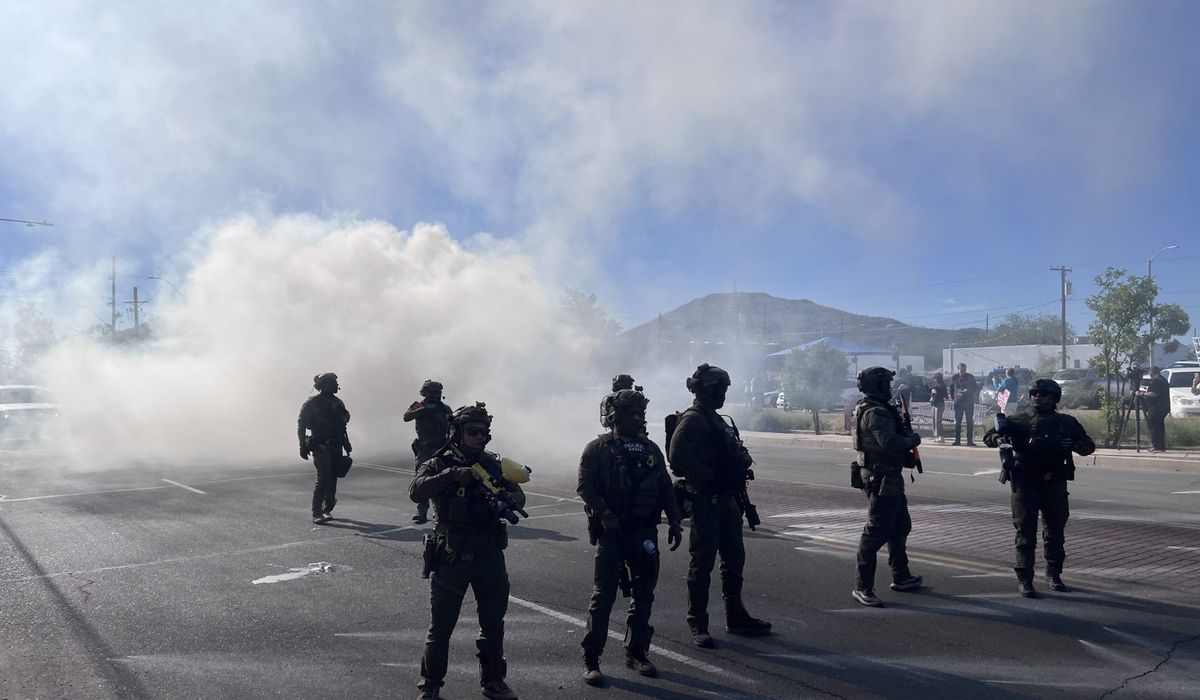
Tucson advocates built a local tracking tool to monitor immigration enforcement as arrests rise under President Donald Trump’s mass deportation initiative.
Tucson has seen a spike in immigration-related arrests since President Donald Trump’s mass deportation initiative began, and local migrant advocates responded by creating a monitoring tool. The project maps enforcement activity in and around the city so people can see where actions occur. That basic fact sets the scene for a tense local conversation about security, rights, and accountability.
The tool is presented as a transparency measure, giving residents and legal groups a clearer picture of enforcement patterns. It compiles reports and locations to show concentrations of activity, which can point to trends and hotspots. For those worried about civil liberties, that data can help document incidents and seek remedies.
From a Republican perspective, the surge in arrests reflects a federal push to reassert border control and enforce existing laws. Enforcement is the backbone of a secure immigration policy, plain and simple. When the government acts, communities expect order and predictability, not confusion about who is detained and why.
At the same time, community-built tools change how enforcement unfolds on the street. Critics argue the mapping could impede officers doing their jobs or put sensitive operations at risk. Supporters counter that public oversight keeps enforcement within legal bounds and prevents abuse.
Local officials now face competing pressures. They must support the rule of law and ensure federal directives are carried out, while also dealing with constituents who fear overreach. That balance is tough, and the new tracking tool makes disagreements more visible and immediate.
The technology itself is straightforward: a publicly accessible interface that shows reported stops and detentions. It does not create arrests, but it does create a permanent record of where enforcement is happening. Data like that can be useful for lawyers, journalists, and civic groups that want to verify claims and hold parties accountable.
For residents worried about crime and illegal border crossings, vigorous enforcement remains a priority. The argument is that clear and consistent application of immigration law protects jobs, public safety, and community cohesion. Tools that highlight enforcement activity should not distract from the larger goal of securing borders and restoring order.
At the same time, Republicans who favor strong enforcement can still support transparency. Accountability does not mean softening enforcement, it means doing it lawfully and visibly. If a tool helps confirm officers are acting within bounds, that can strengthen public confidence in the system.
The social dynamic in Tucson will likely evolve as the tool gains traction. Advocates will continue to document actions, while officials and federal agents will adapt their tactics and communications. That interplay will shape local policy and inform broader debates over federal immigration priorities.
Ultimately, this is a story about how communities respond when policy shifts hit the ground. A federal push for mass deportations produces immediate, visible effects in cities like Tucson. How stakeholders use technology to record and respond to those effects will matter for enforcement outcomes and public trust.

