

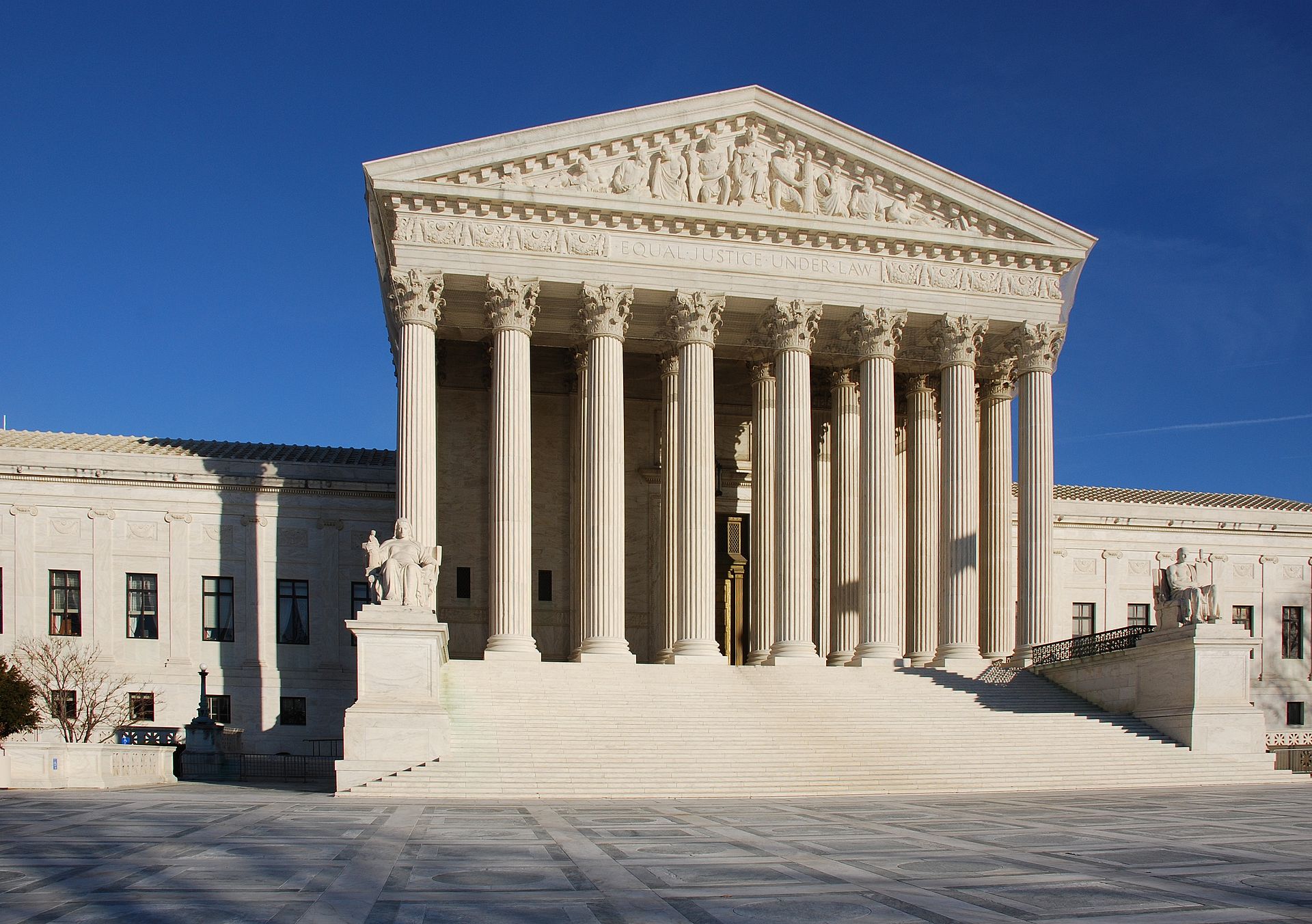
Federal elections have shifted from fights over which party gets to appoint Supreme Court justices to a bitter argument over how many justices the Court should have, and that debate is reshaping political strategy and voter priorities. The idea of changing the Court’s size has moved from academic theory to front-page politics, forcing voters and candidates to take clear positions. This is not just a legal debate, it is a test of political norms and institutional trust.
What used to be a contest about nominations and confirmations has become a fight over institutional structure. Republicans see the push to change the number of justices as a direct threat to the rule of law and to the predictable operation of our constitutional system. When the question becomes how many seats are legitimate, the debate stops being about policy and starts being about raw power.
From a Republican perspective, court packing is a blunt political weapon that erodes the Court’s claim to neutrality. Making the Court an object of partisan engineering removes the incentive for coalition building and consensus across branches of government. That kind of politics makes judicial outcomes less stable and invites retaliatory changes whenever power shifts, which undermines long term respect for judicial decisions.
There is historical memory behind that concern. Attempts to expand or restructure the Court have succeeded only in deepening political turmoil, and conservatives point to past episodes as warnings rather than blueprints. The argument is not merely theoretical, it is practical: changing the Court’s size in response to short term political goals risks turning the judiciary into a revolving door for policy swings, which is bad for business, bad for families, and bad for the law.
The stakes are concrete. Cases about federal power, regulatory reach, civil liberties, and election law pass through the Supreme Court, and any move to remap the bench would shift how those disputes are settled for decades. Republicans argue that lifetime appointments demand a stable framework so judges can decide cases without fearing political retribution or sudden structural changes. If the Court’s composition can be altered on a whim, judicial independence and predictable interpretation of statutes suffer.
That perspective shapes policy preferences. Republicans tend to defend the Senate’s role in advice and consent, arguing that confirmations are the proper avenue to shape the bench rather than changing the number of justices. They favor nominees who show respect for precedent, textualism, and judicial restraint, and they stress reforms that strengthen the Court’s integrity without bending its structure to political winds. The aim is to preserve legitimacy by keeping the rules consistent even when outcomes are contested.
Political dynamics will continue to heat up as elections approach, with the question of Court size serving as both a rallying cry and a warning. Republicans expect to make the case that institutional stability matters and that altering the Court would produce long run harm to democratic norms. The coming contests will test whether voters prefer tactical changes to institutions or steadier stewardship of the constitutional order.

