

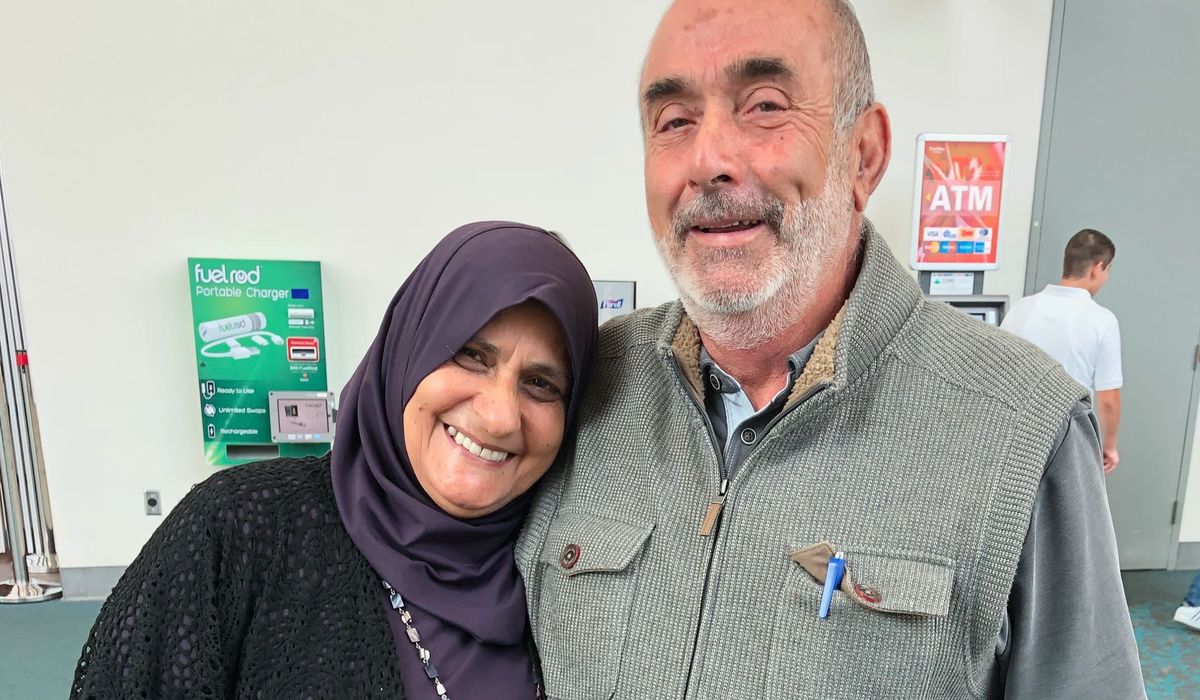
The three people killed by two teen shooters at a San Diego mosque were beloved pillars of the community, and died while saving roughly 140 children who were in the building at the time of the attack.
What happened at the San Diego mosque left a community reeling and raised immediate questions about safety, motive, and how to protect worshippers and children in public spaces. Local leaders called the victims pillars of the community, people who put others first and who acted to shield children during the assault. Law enforcement is investigating, families are grieving, and the mosque remains a focal point for both sorrow and solidarity.
Witnesses say the two teens opened fire inside the building, creating chaos among the roughly 140 children who were present for an event. Eyewitness accounts and preliminary reports indicate the three victims confronted the attackers and were killed while trying to protect those in their care. That sacrifice has become central to the community’s response, shaping vigils and messages that emphasize courage under fire.
Police described the immediate scene as chaotic but noted that first responders moved quickly to secure the area and tend to the wounded. Authorities say the suspects are in custody and that investigators are piecing together a timeline and motive from surveillance, interviews, and physical evidence. Prosecutors will decide charges as the investigation progresses, and the public will be watching how the case moves through the legal system.
Mosque leaders and families are organizing support for those directly affected, including counseling and practical help for parents and children who witnessed the attack. Local volunteers have stepped up to provide meals, childcare, and space for prayer, turning community centers into temporary gathering points. This outpouring has been steady, with neighbors offering resources and local groups coordinating donations and trauma services.
Security concerns are now front and center for places of worship and community centers, especially those that host children’s programs. Some organizations are reviewing access controls, volunteer vetting, and emergency response plans to better protect attendees without making public spaces feel unwelcoming. Balancing openness with safety is becoming a difficult, but necessary, conversation across faith communities.
Religious leaders from across the region have spoken about resilience and the need to stand together, even while processing deep loss. Interfaith services and candlelight vigils have drawn people who want to express solidarity and to support the families of the victims. These gatherings emphasize community strength and the refusal to let violence define daily life for worshippers and their children.
Officials are also addressing the role of youth violence and how teens get radicalized or turned toward violent paths. Schools, parents, and local authorities are being urged to enhance communication channels, report warning signs, and expand access to mental health resources. Preventing future attacks will require coordinated work across law enforcement, educators, and community leaders to identify risks early and intervene effectively.
Victim memorials have begun to take shape, honoring the people who died while protecting children during the attack. Personal stories about the victims paint a picture of folks devoted to service, faith, and family, and those recollections are guiding how the community wants to remember them. Public memorials aim to celebrate lives lived in service to others rather than focusing solely on the violence that ended them.
City officials have pledged continued support, promising resources for trauma care and committing to transparent updates as the investigation continues. Families insist they want answers and accountability, and many community members want a clear plan for improved safety at public events that serve children. The mosque and the surrounding neighborhoods now carry both deep wounds and a visible determination to protect the most vulnerable going forward.

