

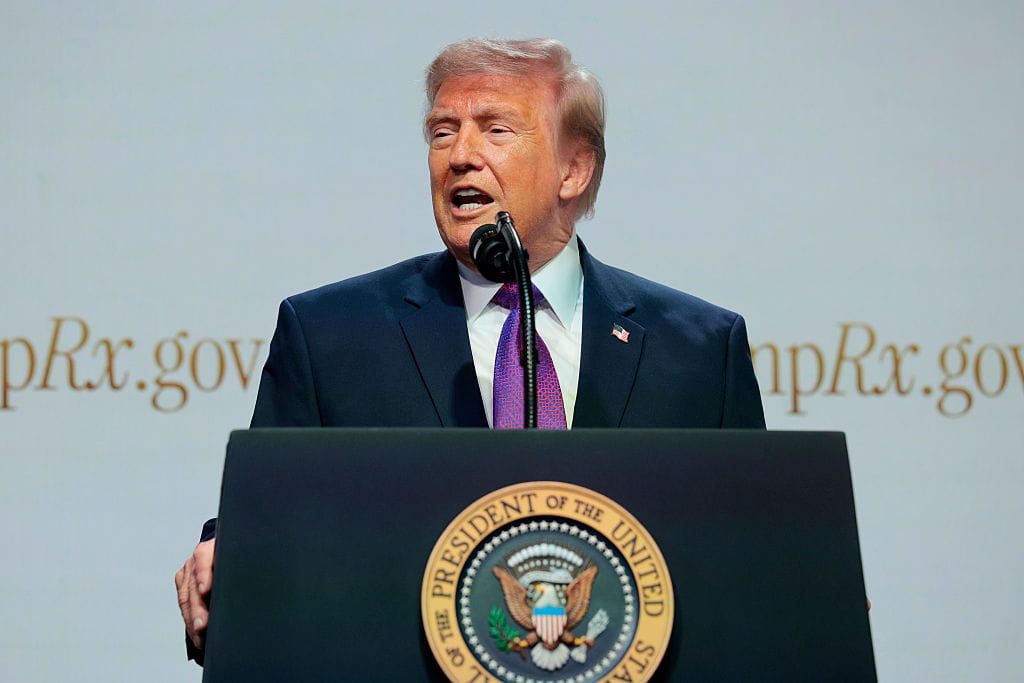
President Trump has expanded TrumpRx by adding 600 additional generic drugs to the list, a move announced four months after launching TrumpRx.gov and described as a seven-fold increase designed to deliver the lowest prescription prices under the most favored nation pricing he negotiated.
President Trump announced the rollout of 600 more generic drugs to the TrumpRx program, pushing the total selection sharply higher in a short window. The expansion arrives just four months after TrumpRx.gov went live, and officials are calling it a seven-fold increase over the original offering. The stated goal is straightforward: bring the lowest available prices directly to patients.
TrumpRx.gov is positioned as a marketplace built around the most favored nation pricing the president negotiated, aiming to force down what Americans pay at the pharmacy. That pricing principle uses stronger government leverage to match the lowest prices available elsewhere, and the new additions widen the plan’s reach. Republicans argue this is a pro-consumer tactic that works with market dynamics rather than relying on heavy-handed controls.
The list of 600 generics focuses on widely used medications, making savings available to seniors, working families, and people with chronic conditions who buy generics. Generic drugs typically represent the bulk of prescriptions filled in the U.S., so expanding the roster could have an outsized effect on out-of-pocket costs. For many patients, even modest discounts on routine medicines add up to meaningful relief over a year.
From a Republican viewpoint, the TrumpRx rollout is proof that negotiations and competition can bend prices without breaking incentives that drive innovation. This framing contrasts with proposals that favor price caps or broad federal takeovers, which conservatives warn would blunt investment in new therapies. Instead, TrumpRx is presented as a targeted market intervention that preserves choice while exposing drug sellers to price pressure.
Big Pharma has pushed back whenever policy squeezes margins, but the politics here are easy to follow: lower prices for everyday Americans are popular across the board. The administration’s claim of delivering the lowest prices relies on comparing domestic costs to international benchmarks and then offering those lower figures to U.S. buyers. That approach ties price relief to leverage, not permanent nationalization of the pharmaceutical sector.
The program’s speed also gets attention. Rolling out a seven-fold increase in just months after launch signals a degree of urgency and operational focus, and supporters say it shows the administration is delivering tangible results. Opponents will question sustainability and industry response, but the immediate headline is bigger access to discounted generics for more people. Republicans will point to quick wins as proof policy can move fast when priorities are set.
Operationally, TrumpRx depends on creating clear price lists and ensuring pharmacies can participate without disruptive friction. The practical work of enrolling pharmacies and publicizing the new prices matters as much as the headline numbers. If the program avoids needless bureaucracy and keeps participation attractive, it can put real downward pressure on what patients pay at the counter.
Politically, the move frames the White House as an active player delivering relief on a pocketbook issue that hits voters every month. It’s an argument that Republicans can make: use leverage, protect competition, and lower costs without heavy-handed overhaul. That messaging will be central as the program expands and faces scrutiny from rivals and the industry alike.
For now, the simple facts stand: 600 more generics added, TrumpRx.gov as the portal, and the administration calling it the lowest-price option under the negotiated most favored nation terms. The next phase will show whether the price cuts hold and how broadly patients benefit as the expanded list reaches pharmacies and consumers.

