

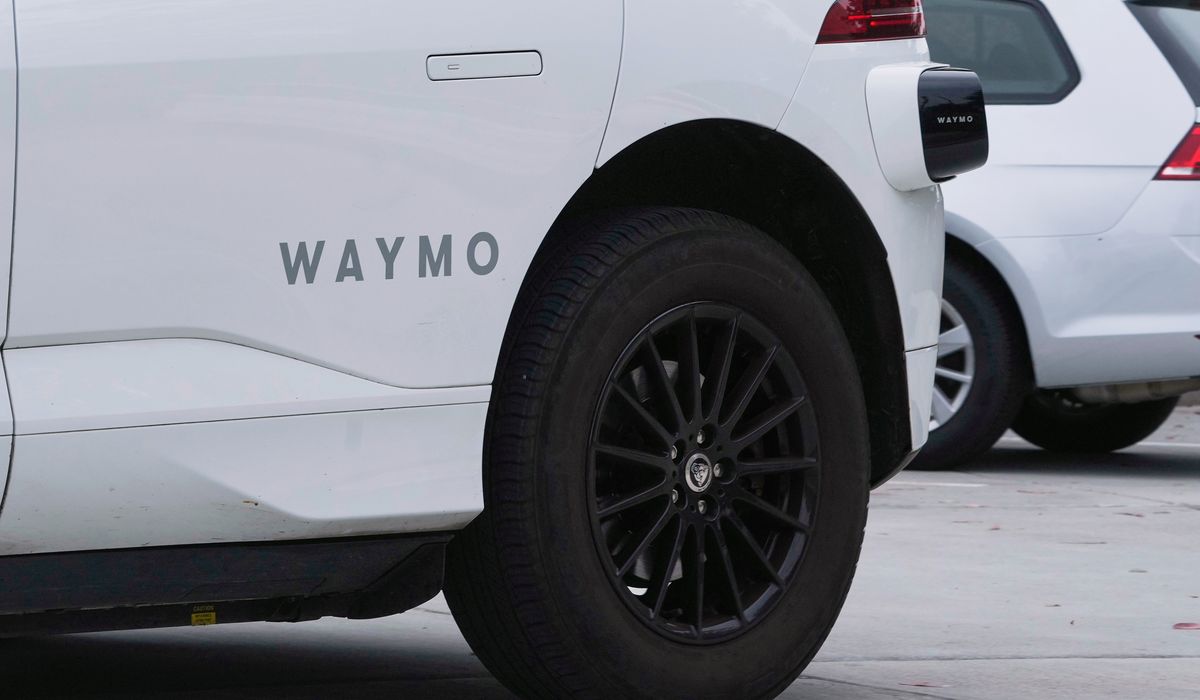
Waymo paused robotaxi service across five Texas and Georgia markets after severe storms and flooding, affecting trips and prompting safety-first responses from the company and local officials.
Severe weather pushed an automated fleet to stand down across multiple cities, creating a ripple for riders and street traffic alike. The decision reflects a practical focus on public safety when conditions exceed normal operating limits. Riders, municipal partners, and transit observers all watched closely as Waymo adjusted service in real time.
Severe weather and flooded roadways have led Waymo to temporarily stop its robotaxis in Atlanta, Austin, Dallas, Houston and San Antonio. That exact sentence captures the immediate scale of the pause and names the specific cities involved. It is a clear snapshot of which urban areas saw disruption as storms moved through the region.
Waymo’s fleet is designed to detect hazards and respond by pulling over, handing control to a remote operator, or pausing service entirely. When water covers roads and sensors face unpredictable reflections, automated systems can lose the clean data they depend on. For the company, halting operations is a safeguard to avoid risk to passengers and other road users.
Customers reported canceled trips and surprise delays during the outage, and the company used app alerts to communicate updates and refunds where appropriate. Local officials coordinated with transit and emergency services to keep key corridors open and to prioritize safety. The result was a patchwork of restored service as weather eased and conditions were verified as safe.
The pause raises practical questions about how autonomous services behave under extreme conditions compared with human drivers. Human operators often rely on judgment and experience to pick alternate routes or wait out a storm, while automated fleets require clear sensor input and validated maps. That difference matters to city planners and companies as they adapt rules and expectations for new transport modes.
Insurance, liability, and regulatory oversight are also part of the discussion when tech-driven mobility stops for weather. Agencies want to ensure passengers are protected and that operators meet reporting and safety standards during interruptions. Companies like Waymo face scrutiny over how they notify users and how fast they can resume safe operation after a shutdown.
Operationally, teams on the ground inspect routes, clear obstructions if possible, and confirm that flood damage has not altered lane markings or signs used by the vehicles. Software updates and sensor recalibrations sometimes follow, but most restarts hinge on a human check that conditions are back to normal. That multi-step restart process explains why service can return gradually rather than all at once.
For riders, these pauses are a reminder that autonomous systems are resilient in some ways but still vulnerable to extreme weather. The technology shines in predictable, mapped environments, but heavy rain and standing water break assumptions built into many self-driving models. Commuters in affected cities adjusted on short notice, tapping backup options or shifting schedules as needed.
Looking ahead, companies will likely refine weather-response plans and improve communication with city partners to minimize disruption. Fleet operators are testing better sensors, diversified detection methods, and more robust contingency protocols to handle storms. Meanwhile, municipal emergency planning continues to include emerging mobility providers in storm response playbooks.

