

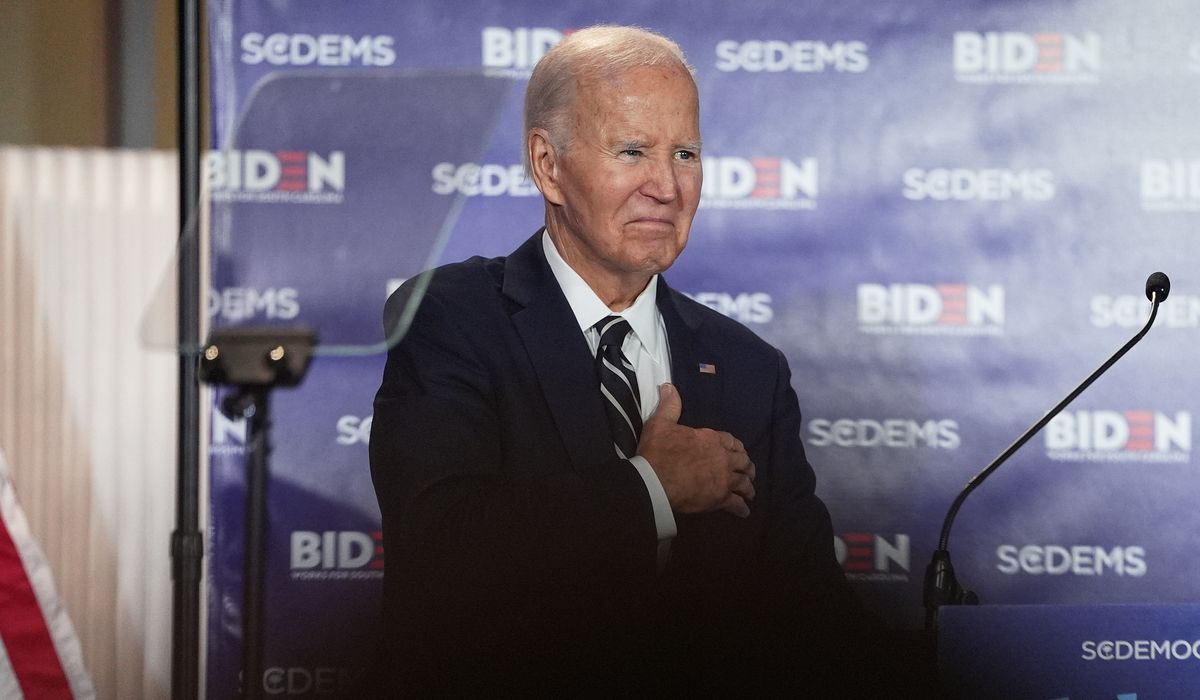
Former President Joseph R. Biden sued the Justice Department Tuesday to block the release of audio recordings and transcripts of private conversations with his memoir ghostwriter, a legal move that raises fresh questions about transparency, presidential records and how much of a former president’s private communications remain shielded from public view.
Former President Joseph R. Biden sued the Justice Department Tuesday to block the release of audio recordings and transcripts of private conversations with his memoir ghostwriter. The filing asks the courts to prevent disclosure of those materials, putting the decision squarely into the hands of judges rather than the public or journalists. The suit is framed around claims of confidentiality and privacy tied to personal memoir work.
This case will test the balance between privacy rights for former presidents and the public’s right to know how presidential records are handled. The legal fight touches on the Presidential Records Act and Freedom of Information Act standards without leaning on classified material claims. Legal teams on both sides are sharpening arguments about what counts as a personal memoir versus an official record.
Republican critics point out that when a president’s conversations are recorded or documented, there should be clear rules governing access. From that perspective, selective secrecy undermines consistent application of transparency laws and fuels public distrust. The GOP framing will stress accountability, arguing that citizens deserve to see how public officials conduct themselves even after their terms end.
The Justice Department now faces scrutiny over how it responds to requests for those materials and whether it will defend traditional confidentiality or be pushed toward greater openness. Courts will have to consider whether memoir-related recordings are exempt from disclosure or whether they fall into categories that must be released. That judicial review could set a precedent for how future presidential memoirs and ghostwritten works are handled.
Ghostwriters operate in a gray area: they are private collaborators, but they can be party to candid discussions that touch on governing choices and policy rationales. Republicans argue that when such discussions involve matters of public concern, they should not be sealed from view. Supporters of privacy counter that memoir conversations often include private family matters and personal reflections that do not belong in the public domain.
There’s also a timing issue. The lawsuit arrives amid a charged political environment where every document release is parsed for partisan impact. Republicans will use the dispute as an example of perceived double standards, asking why some records see the light of day while others stay hidden. That line of argument appeals to voters who want equal treatment and consistent transparency from institutions.
From a legal perspective, courts will weigh multiple exemptions and precedents, including deliberative process protections and privacy interests. The outcome will depend on how judges interpret the scope of records tied to a presidency and whether memoir materials are treated as purely personal or as remnants of an official role. That interpretation will influence future requests targeting post-presidential writings and interviews.
Beyond the courtroom, this fight affects how historians, journalists and the public understand recent administrations. If the materials remain sealed, researchers will have less context for decisions and personal motivations. If released, the content could reshape public narratives and raise fresh questions about decision making during the presidency.
The next steps are predictable: motions will be filed, briefs exchanged and hearings scheduled as the legal teams make their cases. The process could stretch for months and may ultimately land before an appeals court if either side presses further. Whatever the legal outcome, the dispute will be cited by lawmakers and commentators arguing for clearer rules on presidential records and memoir-related materials.

