

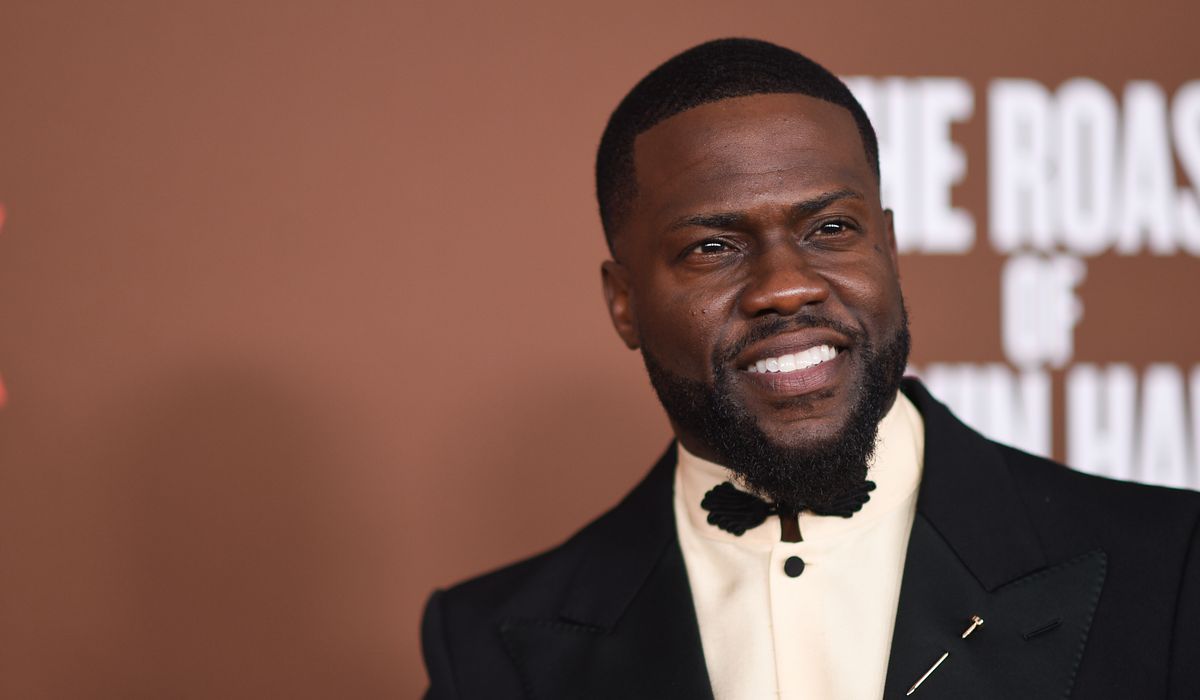
Kevin Hart publicly defended fellow comedian Tony Hinchcliffe after a recent controversy surrounding a joke, framing the episode as part of how roast comedy operates and sparking discussion about taste, intent, and consequences in stand-up.
Comedians trade barbs and push boundaries; that’s part of the job. When Tony Hinchcliffe landed in hot water over a joke referencing George Floyd, the fallout reminded everyone how quickly a line can become a headline. Conversations about responsibility and context followed, and a fellow comic weighed in publicly.
KEVIN HART defends comedian Tony Hinchcliffe: “…the George Floyd joke, it wasn’t a tasteful joke to our culture, to our audience. I wasn’t shocked. That’s what they do. It happen”
Hart’s words landed in the middle of a debate about where roast humor ends and offense begins. He acknowledged the joke’s poor taste while arguing that the approach is typical in certain comedy circles. That balancing act — calling something tasteless but unsurprising — frames a kind of insider perspective on how roasts and shock setups operate.
Observers split into camps almost immediately. Some argued that specific jokes cross ethical or moral boundaries regardless of setting, while others said context and intent matter more than a single line. For performers, the question often comes back to whether the audience in the room signed up for this type of material and whether the industry should police itself differently.
Comedians also face career consequences when controversies arise, from lost gigs to public criticism. For many in the comedy community, these moments spark private conversations about the risks of pushing too far. Promoters and venues have to weigh public reaction against talent, and social media amplifies every decision into an instant story.
The broader cultural debate touches on free expression and the marketplace of ideas in entertainment. Some see censorship or quick backlash as threats to creative risk-taking, while others want clearer lines that protect vulnerable communities. Those competing values make it hard to find common ground, especially when an off-color joke becomes a symbol for much larger issues.
For audiences, the incident serves as a reminder to consider context, history, and impact. A joke that lands in one room may fail spectacularly in another, and a single misstep can overshadow years of work. You can follow the arguments about intent versus impact without losing sight of the fact that real people and real feelings are involved.
Within comedy, the response from peers often matters as much as public opinion. Support, critique, or silence from fellow performers can shape how an incident is remembered and how careers proceed. The back-and-forth also influences how future material is written and what comedians choose to risk on stage.
As the dust settles, the conversation continues around taste, responsibility, and the role of comedy. Some call for greater sensitivity and accountability, while others urge preserving space for sharp, uncomfortable work. Either way, the episode highlights how a single line can spark wider reflection on culture, comedy, and the balances artists must navigate.

