

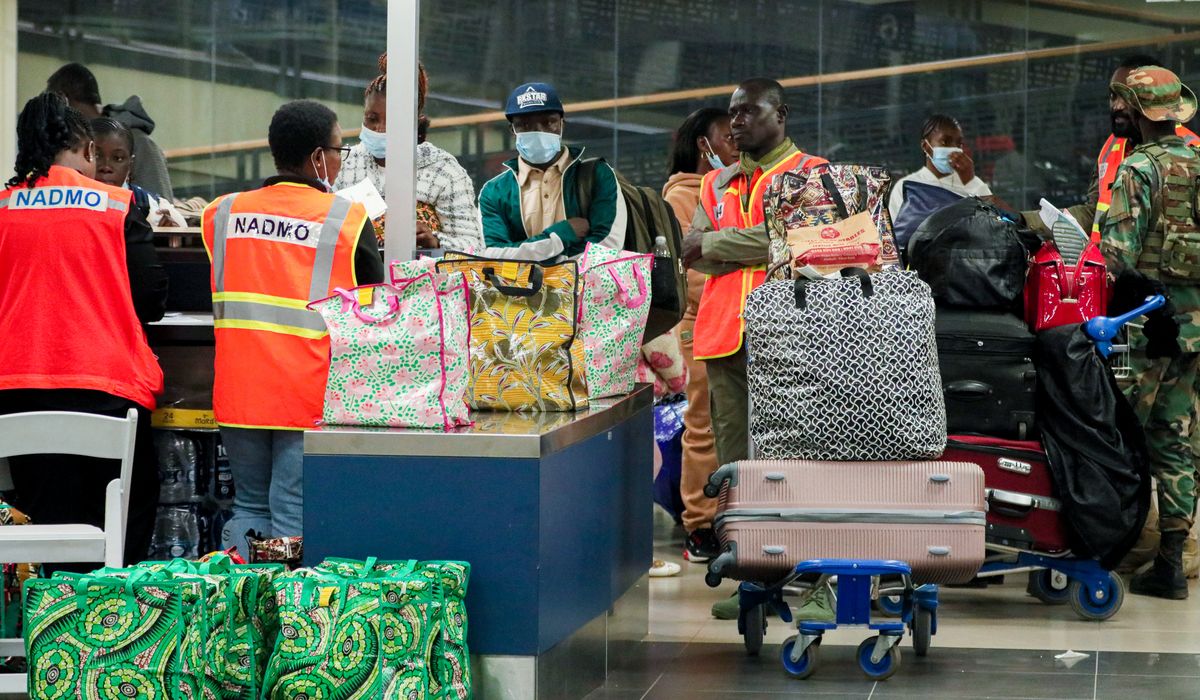
South Africa’s leader vowed action on illegal migration amid rising anti-immigrant unrest in the country’s economy.
South Africa is facing a visible surge in anti-immigrant protests and public anger. Leaders in the region are being forced to respond to unrest that touches on jobs, security, and local services. Americans watching this should see familiar signs about the costs of weak enforcement and mixed messaging.
“South Africa’s president promised Sunday to act on what he called concerns over illegal migration following a rise in anti-immigrant protests and sentiment in Africa’s most advanced economy,”
The president’s pledge puts migration and safety back on the national agenda. Voters and party activists will expect concrete moves, not just statements. Republicans would argue that promises must be followed by clear policy and strict enforcement.
Protests don’t happen in a vacuum; they reflect everyday pressures like unemployment and crime. When people feel their communities are strained, they look for answers and leaders who will restore order. That is why a strong response matters politically and practically.
Border control and interior enforcement are distinct but linked problems. A country can tighten borders yet also crack down on internal illegal residency. Both measures are necessary to show that the rule of law matters.
Repatriation and legal processing are part of any long-term solution. Governments must coordinate with neighbors to handle returns humanely and efficiently. That means diplomatic pressure, clear legal standards, and resources to execute decisions.
Economic context matters when tensions rise in a market economy. South Africa, as a leading African economy, faces higher expectations on governance and stability. When the economy wobbles, social fractures sharpen and political pressure grows.
Policing and municipal services are under strain in many urban areas. Local leaders need support from national authorities to control violent protests and protect residents. Failure to do so risks normalized chaos and further political fallout.
Citizens rightly want security and jobs prioritized. When governments seem unable or unwilling to enforce laws, frustration turns into protest. Political leaders who ignore that risk losing trust at the ballot box.
A clear, consistent message is crucial from the top. Mixed signals can embolden illegal activity and unsettle communities. Republican perspectives stress the link between clear policy and public confidence.
International coordination is also part of the answer. Neighboring states must take shared responsibility for migration flows. Multilateral agreements can help manage legal migration while making illegal crossings harder.
Humanitarian concerns deserve attention too, but they should not override law and order. Compassionate systems can exist alongside firm enforcement. Proper screening and asylum procedures prevent abuse of humanitarian claims.
Transparency in enforcement builds public trust. Officials should report immigration actions, arrests, and outcomes clearly and promptly. That kind of accountability prevents rumors and calms heated debates.
Economic reform reduces the root causes of unrest. Job creation, vocational training, and investment in public services lower the appeal of xenophobic scapegoating. Smart economic policy is prevention, not just reaction.
Political leaders must resist opportunism that fans flames for short-term gain. Stoking fear about outsiders for votes is dangerous and divisive. Responsible conservatives argue for firm policy without exploiting tensions.
Lawmakers should review and tighten legal frameworks where loopholes exist. Clear statutes and enforceable penalties reduce ambiguity for enforcement agencies. A strong legal backbone supports consistent action across provinces and municipalities.
Media and community leaders play a role in calming tensions. Accurate reporting and public forums help separate fact from fear. Local voices that encourage lawful behavior strengthen social cohesion.
South Africa’s course in the weeks ahead will reveal how seriously leaders take these crises. If action follows words, it can restore public confidence and deter further unrest. If not, protests may broaden and political backlash will grow.
For observers and policymakers, the core lesson is familiar: maintain order, enforce laws, and address economic drivers of discontent. That combination preserves safety and sustains a functioning economy. Strong governance is the practical answer when public sentiment turns hostile.

