

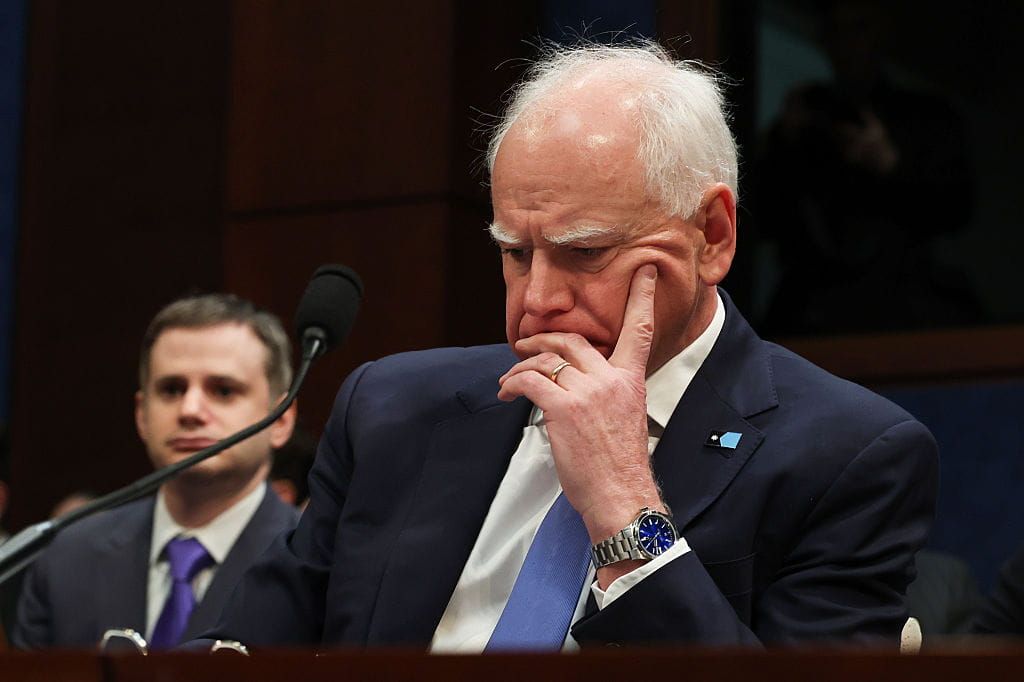
The Minnesota fraud scandal has moved from local uproar to a national point of contention, exposing gaps in oversight, political accountability, and the news media’s appetite for fair reporting.
The public is by now aware of at least the general details of the Minnesota fraud scandal, no thanks to the left-leaning establishment media that acts as if the issue is so trivial that it is unworthy of column inches. That lack of urgency has left many citizens reading between the lines while officials shuffle statements and slow-roll investigations. Conservatives see a pattern where left-leaning outlets downplay problems that reflect poorly on allied politicians or bureaucrats, and that perception sours trust in both institutions and the press.
At its core, the scandal involves alleged misuse of funds and procedural failures that allowed irregularities to persist across multiple levels of government. Those are the kinds of failures that should trigger immediate, transparent audits and criminal referrals when warranted. Instead, the response has often felt muted, with talking points centering on technicalities rather than clear accountability, which frustrates voters who want decisive action and honest answers.
This story is not just about bookkeeping or local politics; it’s a test of whether our systems will correct themselves when pushed. When oversight bodies fail to act quickly or press coverage treats the matter as a nuisance, bad actors get an opening to normalize weak controls. Republicans argue that the right remedy is straightforward: enforce existing laws, tighten controls, and make investigations public so taxpayers can see outcomes and safeguards can be put in place.
Part of the media problem is selective outrage, where stories that reflect poorly on progressive agendas receive softer scrutiny while comparable issues in conservative circles are amplified. That imbalance breeds cynicism and fuels accusations of bias, which then undermine the legitimacy of legitimate reporting. If readers cannot rely on consistent standards, they either tune out or take their information from more partisan sources, which deepens polarization and makes consensus on reforms nearly impossible.
Political accountability must be practical and visible. Elected leaders should sponsor statutes to strengthen audit powers, remove conflicts of interest in oversight roles, and demand timely public reporting of findings. These are not partisan fantasies but basic governance measures that a responsible legislature can implement without fanfare, and voters should expect their representatives to act on them regardless of party label.
At the same time, the investigative work falls to journalists who are willing to follow paper trails and ask uncomfortable questions. That requires editors to prioritize accountability journalism even when a story complicates a preferred narrative. Readers deserve coverage that challenges every side; when one side is spared scrutiny because it aligns with a media outlet’s worldview, trust erodes and bad behavior becomes easier to hide.
Practical reforms should also include standardized state-level processes for flagging irregularities and escalating them to neutral investigators. Clear timelines, independent review panels, and public dashboards that track audit status would cut down on the kind of secrecy that breeds suspicion. Those tools would make it harder for mismanagement to linger and easier for citizens to see that their complaints lead somewhere meaningful.
Ultimately, the Minnesota fraud story is a reminder that citizens need both strong institutions and an honest press to keep government honest. That balance requires regular upkeep: elected officials must enforce rules, oversight bodies must act impartially, and media must pursue the facts regardless of ideological convenience. When those three elements work together, scandals get resolved more quickly, trust is restored, and taxpayers are less likely to foot the bill for mistakes that should never have happened.

