

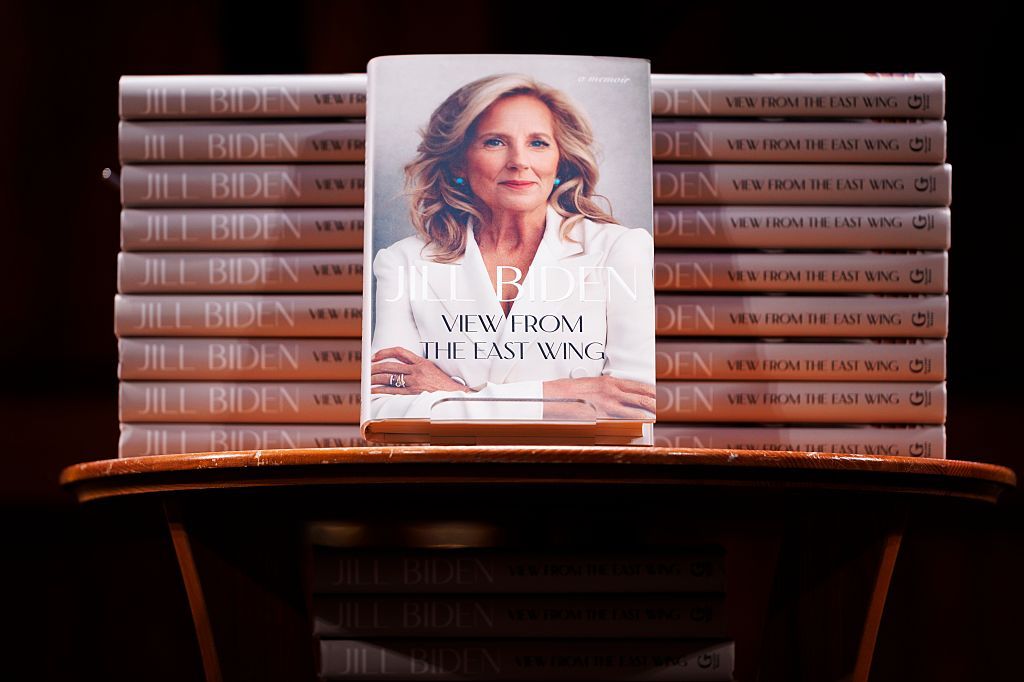
On Jun 10, 2026, the release of Jill Biden’s new book set off fresh clashes within Democratic circles, with critics on the left complaining even as the book brings the first lady attention and dollars. The controversy feels less about content than about political optics, and the backlash has given conservatives more to point at when arguing the party is distracted by internecine fights. The good doctor profits while her party twists in the wind.
The book’s arrival has shined a spotlight on a broader dynamic the right has been sarcastically noting for years: liberal elites can benefit financially from high-profile platforms while the party base wrestles with identity and image battles. That tension is real, and it’s now playing out in public as media and activists pick apart every line for signs of hypocrisy. Republicans see the episode as proof that Democratic priorities are misaligned with the concerns of everyday Americans.
Talk about the book has dominated news cycles more than policy debates that matter to working families, and that’s exactly the point critics on the right are making. While inflation, immigration, and public safety remain urgent, the left is busy litigating a celebrity product. That mismatch drives a wedge between party leadership and voters who want tangible results.
Across social feeds and opinion columns, the reaction has been predictable: intense scrutiny from the left, ridicule from the right, and opportunistic silence from centrists hoping the noise will fade. Conservatives are quick to call this a distraction machine, arguing that culture skirmishes serve to obscure governance failures. For Republican readers, the episode confirms a larger pattern of priorities that seem upside down.
There’s also a money angle that makes the situation more distasteful to many voters. High-priced memoirs and celebrity endorsements feed a media economy that rewards visibility over substance, and the First Lady’s standing amplifies that effect. When a political household earns from a book, critics ask whether public office is being used to monetize influence, and that question lands well with fiscally conservative audiences.
The left’s fury is not uniform, however, and that inconsistency is telling to political observers. Some progressives dismiss the fuss as manufactured outrage, while others treat the book as a symbol of a party losing its moral compass. For Republicans, the split is useful messaging: if Democrats can’t even agree about one of their own, how can they govern together on bigger issues?
Republicans are also framing the debate around accountability and optics. The argument is simple: if you’re a public figure and you profit from your platform, be transparent and accept scrutiny. That’s an easy sell for a conservative crowd skeptical of elite exceptions. The optics of a popular book and internal Democratic chaos play perfectly into that narrative.
Campaign strategists on the right will point to this episode in fall messaging about priorities, asking voters whether they prefer leaders who worry about headlines or those who focus on tangible outcomes. It’s not a complex pitch: voters want lower prices, safer streets, and secure borders, not ongoing intra-party drama. The book kerfuffle becomes shorthand for a party out of step with mainstream concerns.
Meanwhile, conservative commentators have dug into every angle, from marketing strategies to the timing of the release, arguing the move was designed to capitalize on political attention. Whether or not that charge is provable, it resonates with an audience that already suspects the political class of self-dealing. The perception of profiteering is often as damaging as the reality.
Media organizations amplifying the story only heighten the political payoff for Republicans. Coverage fuels debate and gives the right repeated opportunities to highlight perceived contradictions within the left. That cycle is how cultural controversies become campaign fodder, and conservatives are adept at turning those moments into clear, digestible narratives.
Voters who are weary of politics-as-spectacle respond to straightforward critiques about priorities and consequences. The Republican angle emphasizes accountability rather than personal attack: public roles come with public responsibility, and private gains must withstand public scrutiny. That line of argument lands in swing districts where voters judge politicians by results.
At the same time, the spectacle creates openings for Democrats who want to pivot back to policy, but internal division makes that pivot harder. The longer a party remains distracted by its own controversies, the louder the conservative case becomes. Republicans will keep pressing the point that governance lost to image management is a loss for the country.
Ultimately, the book episode crystallizes an ongoing debate about values and leadership within American politics. For conservatives, it’s a moment to underscore a belief that leaders should prioritize everyday concerns over celebrity and commerce. For voters tired of performative politics, the substance of that critique will matter more than the personalities involved.

