

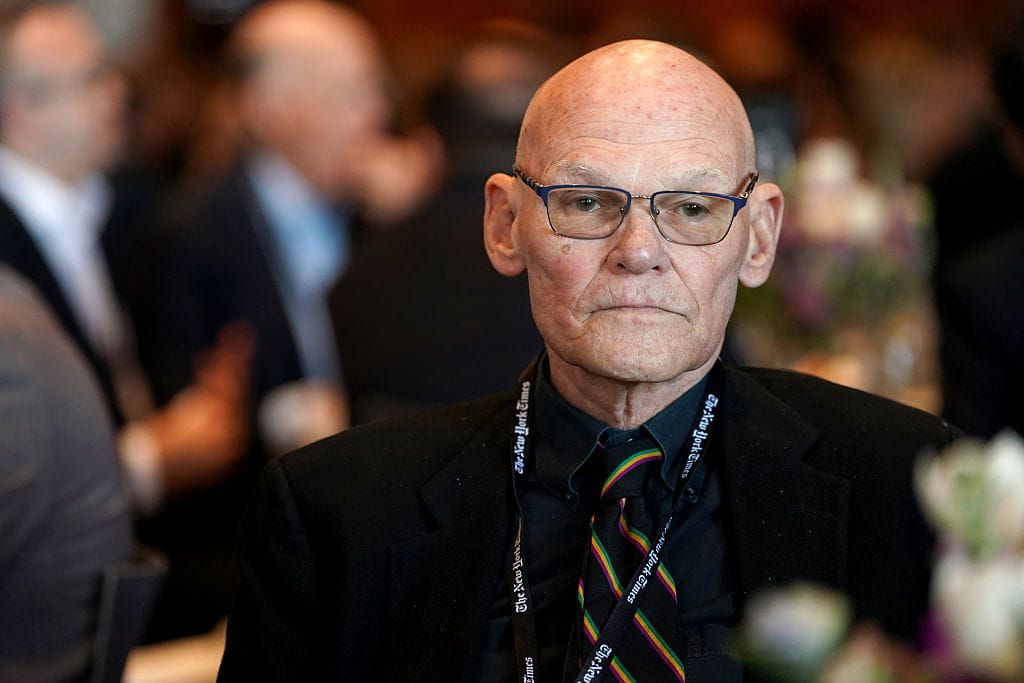
On Jun 29, 2026 the Democratic fold looked split as old guard caution and leftward energy collided, forcing a raw, public debate over socialism and the party’s future.
The headline reads Clinton vs Carville: Democrats Divided Over Socialism, and that division is exactly what you see when you peel back the slogans and fundraisers. Veteran pragmatists emphasize electability and middle-class concerns, while louder progressive currents push structural change and high-spending policy agendas. For conservatives watching, this is an opportunity to point out how internal fights sap momentum and make unified messaging impossible.
“Which way, Democratic Party?” has become more than a rhetorical flourish — it’s a question about strategy, identity, and who speaks for the party when voters tune in. On one side are figures who argue that embracing moderate, market-friendly language wins swing voters. On the other, advisors and activists who say a bolder program that leans left energizes the base, even if it risks alienating independents. The tension plays out in public statements and private advisories alike, revealing a party that no longer moves as a single machine.
From a Republican vantage, the split exposes a core weakness: a movement that can’t reconcile competing visions is easy to exploit politically. GOP strategists can point to specific policy proposals pushed by progressives — big tax-and-spend plans, expanded entitlement promises, and regulatory overreach — and contrast them with centrist pleas for fiscal discipline. That contrast helps frame Republicans as the sane alternative, defending economic stability against experiments with socialism dressed up as reform.
Clinton-era caution still resonates with older Democrats who remember election nights lost when the party strayed too far left. Those veterans argue for tight messaging, appealing to suburban voters and small-business communities that tipped elections in the past. They warn that the energy of a committed minority does not automatically translate into broad majorities at the polls, especially in battleground states. For Republicans, that argument strengthens the claim that Democrats are out of step with mainstream concerns.
Meanwhile, newer voices inside the party insist that incrementalism failed to fix deep structural problems and that only expansive ideas will pull the country leftward. They point to energized younger voters and urban turnout as the path forward, believing intensity can overcome numbers. Conservatives counter that intensity without broad appeal is a recipe for narrow victories in primaries and crushing losses in general elections — a pattern Republicans will keep highlighting in campaign messaging.
The debate also plays out over language. Progressives tend to embrace terms like “systemic change” and “big structural reform,” while moderates prefer words like “practical” and “responsible.” Language shapes perception, and the public sees a party arguing on its own terms rather than offering a clear alternative to conservative governance. Republicans can exploit that muddled pitch by promising straightforward, accountable policy that emphasizes growth, security, and liberty.
Policy specifics matter: trade, energy, health-care approaches, and immigration stances all reveal the split in practical terms. Moderate Democrats favor market-savvy fixes and incremental improvements, while left-leaning members push sweeping overhauls funded by higher taxes and expansive public programs. From a Republican viewpoint, the debate proves that Democrats lack a unified economic narrative, making it easier for GOP candidates to present coherent platforms focused on lower taxes, deregulation, and individual freedom.
Electoral consequences follow. When a party spends its energy fighting itself, candidates lose the ability to adapt to local concerns and rely instead on national litmus tests. Republicans can run localized, pragmatic campaigns while caricaturing the opposing party as consumed by factional feuds. That tactic often resonates with undecided voters who want steady governance rather than ideological showdowns.
The cultural element cannot be ignored: debates about identity, symbolism, and ideological purity intensify the perception that Democrats are divided. When prominent figures spar publicly, it feeds media narratives and social feeds, amplifying fractures and making reconciliation harder. Conservatives see that amplification as a strategic advantage — a way to keep the opposition distracted and politically weakened heading into primaries and general elections.
Ultimately, the showdown framed as Clinton vs Carville: Democrats Divided Over Socialism is a live test of political discipline and messaging. Republicans watching the argument closely will keep pushing the simple case: a divided party cannot govern effectively, and voters will prefer clarity and stability over internecine conflict. The contest inside the Democratic ranks isn’t just theater; it’s a real-world preview of how each side believes it can win and what risks they’re willing to take to get there.

