

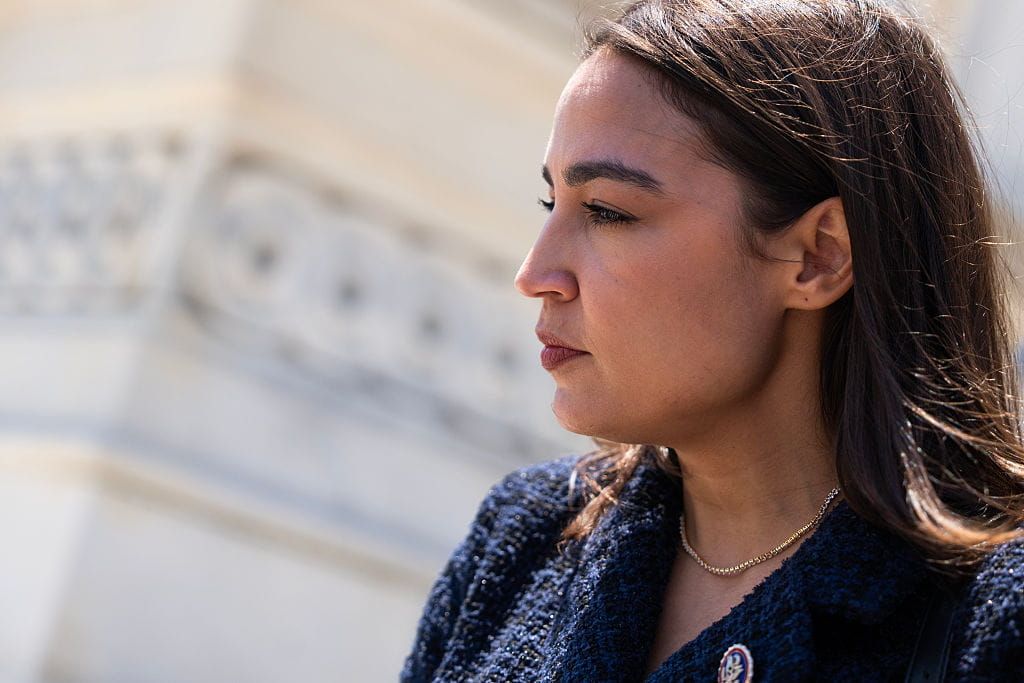
Rep. Alexandria Ocasio-Cortez is pushing hard against party moderates and corporate influence, signaling a renewed leftward fight that could reshape Democratic primaries and pressure big business to pick sides.
Alexandria Ocasio-Cortez is no longer a backbench firebrand. She has moved into power-broker mode, using fundraising muscle, social media, and endorsements to shape who survives in Democratic primaries.
The tactic is clear: back insurgent challengers against incumbents who stray from progressive orthodoxy and publicly shame corporations that resist policy demands. That approach amplifies internal party tensions and forces companies to weigh reputation against customers and shareholders.
For Republicans watching from the outside, the spectacle serves two purposes: expose fractures inside the Democratic coalition and highlight the risk of a party moving farther left than its voters expect. This is not mere rhetoric; it is a concerted effort with real political consequences.
“Socialists hope to radically change America – and they just might get the chance.” That line has circulated among those who see a coordinated push to remake policy on taxes, regulation, energy, and free speech.
AOC and her allies treat primary season like a policy enforcement mechanism, rewarding loyalty with endorsements and funding and targeting those who oppose key demands. The message to incumbents is straightforward: stray at your peril, because activists and donors can and will back a challenger.
For big companies, the calculus has shifted. Public pressure campaigns, viral tweets, and boycott threats create immediate brand risk, so many firms opt for quick capitulation rather than defend neutral positions. That behavior hands an outsized win to the loudest activists.
This dynamic is bad for customers and investors who prefer predictable business decisions over politicized corporate theater. When businesses make policy choices under duress from a vocal minority, they risk alienating broader swaths of the market and undermining shareholder value.
Democratic incumbents face a hard choice: align with a rising left-wing faction or double down on pragmatic governance and hope voters reward moderation. In some districts, the leftward tilt might energize turnout; in many others, it could hand the general election to Republicans.
Primary politics tend to magnify extremes. When the party base is the decisive force, nominees skew toward the most active and engaged activists rather than the average voter. That mismatch explains part of the current panic among moderate Democrats.
AOC’s influence also reshapes messaging. She frames economic and cultural fights in moral terms that mobilize young, urban voters. That language plays well in certain media ecosystems but can alienate working-class and suburban voters who prioritize pocketbook issues and stability.
The strategic risk for Democrats is losing the center while tightening coalition unity on the left. Republicans can exploit that split by offering clear alternatives on taxes, energy, and security that appeal to swing voters who do not identify with radical overhaul.
From a practical standpoint, corporate America should resist becoming a political weather vane. Firms that defend neutral principles and focus on customers will fare better in the long run than those that chase immediate approval from the loudest activists.
Grassroots power matters, but so does electoral math. A faction that wins primaries but loses general elections will find its policy agenda blocked at the ballot box. That is the lesson Republican operatives are ready to underline in ad buys and debate stages.
The date on the record remains Jun 29, 2026, and the landscape continues to evolve as activists and power players test the limits of influence. Expect more primary fights, bolder corporate confrontations, and sharper messaging on both sides.
What plays out next will depend on whether Democrats rein in the enforcement arm that polices ideological purity or embrace it and accept the trade-offs that come with sharper partisan identity. For Republicans, the opening is obvious: present a coherent, steady alternative and let the leftward pull of the other party speak for itself.

