

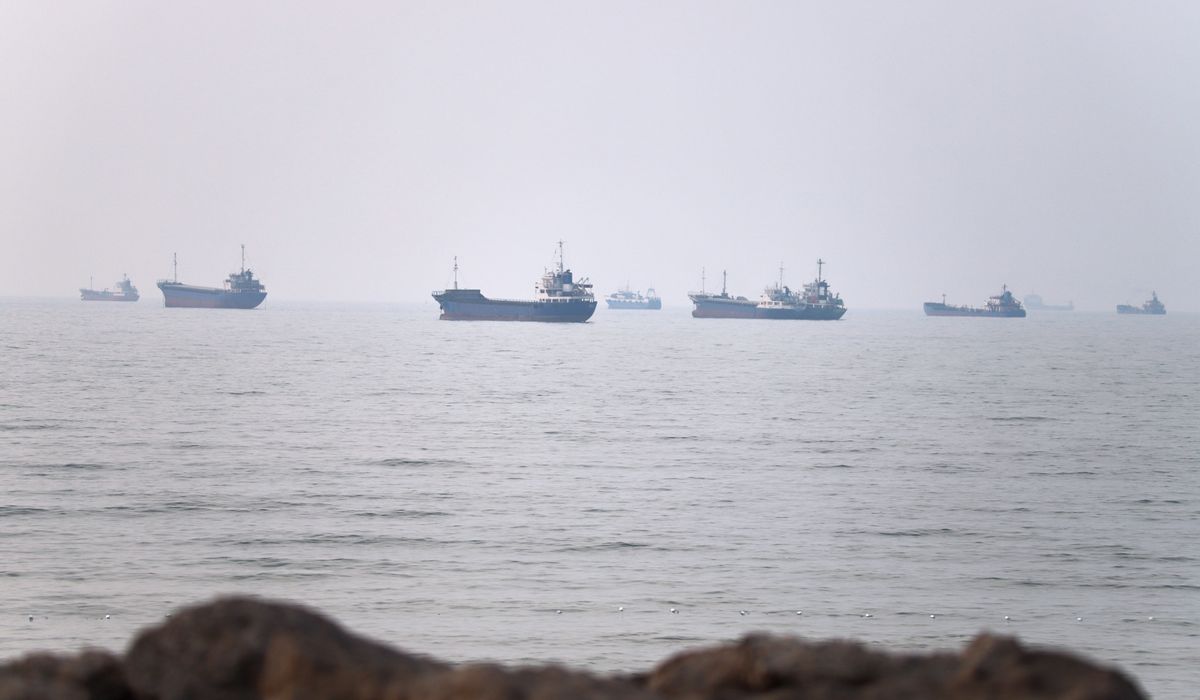
The U.S. and Iran offered sharply different takes on activity in the Strait of Hormuz, with both capitals trading blame and bracing for more reprisals as each side asserts control over a vital waterway.
The Strait of Hormuz is the chokepoint everyone talks about when global energy and strategic stability are on the line. Washington and Tehran are telling different stories about who is in charge and what comes next, and that mismatch is dangerous. Americans should care because what happens there can ripple into global markets and military calculations.
From a Republican perspective, the core issue is clear: Iran keeps testing limits, and the United States must respond with strength, not excuses. Tehran’s pattern of harassment and proxy attacks threatens freedom of navigation and allies in the region. When American forces or commercial vessels are imperiled, the response should be calculated, credible, and designed to deter future aggression.
Critics on the right argue that mixed signals from the U.S. invite risk by making deterrence confusing. If Tehran doubts America’s will, it will act more boldly; if America blinks, escalation becomes more likely. A consistent posture that combines pressure and clear consequences reduces the chance of a spiraling, deadly tit-for-tat cycle over control of the strait.
Sanctions and targeted strikes are the blunt tools often discussed, but policy makers should think beyond immediate reactions. Strengthening partnerships with Gulf states and NATO allies gives the U.S. more leverage and builds a shared defensive posture. That approach makes it harder for Iran to exploit gaps and forces Tehran to weigh costs before acting.
Diplomacy still has a role, but it cannot be naive or one-sided. Engagement that ignores Iran’s regional aggression or its support for proxies achieves little and erodes American credibility. Republicans generally favor a posture of negotiated outcomes backed by the credible threat of force if Iran continues to undermine regional security.
Operationally, protecting commercial shipping lanes requires better coordination among international navies and clearer rules of engagement. U.S. commanders need freedom to protect ships and crews swiftly and decisively, while political leaders must convey a unified message. Mixed public statements or contradictory signals handed to adversaries only complicate on-the-ground decisions.
The energy markets won’t wait for diplomatic niceties if strait traffic is disrupted, so preparedness matters for more than military prestige. Supply shocks mean higher prices at the pump and hurt ordinary Americans, which is unacceptable. Republicans emphasize energy security as a core national interest that must be defended proactively.
Intelligence and targeted actions should degrade Iran’s capacity to launch future attacks without plunging the region into all-out war. That balance is delicate but necessary: remove the immediate threat, then reinforce deterrence to prevent recurrence. The goal is to stop a cycle of deadly retaliation rather than perpetuate it.
Congress has a role in shaping a coherent strategy, providing oversight, and ensuring that any use of force is tied to clear objectives. Legislators should demand accountability and a plan that protects U.S. personnel, commercial interests, and regional partners. A strong, consistent policy reduces the chance that confusion or hesitation will hand Iran tactical wins in the Strait of Hormuz.
Public messaging also matters: Americans deserve honest briefings on risks and objectives without alarmism or false reassurance. Leaders should explain how actions taken protect both national security and everyday economic interests. The aim is to make deterrence clear so that reckless behavior by Tehran carries real and predictable costs.

