

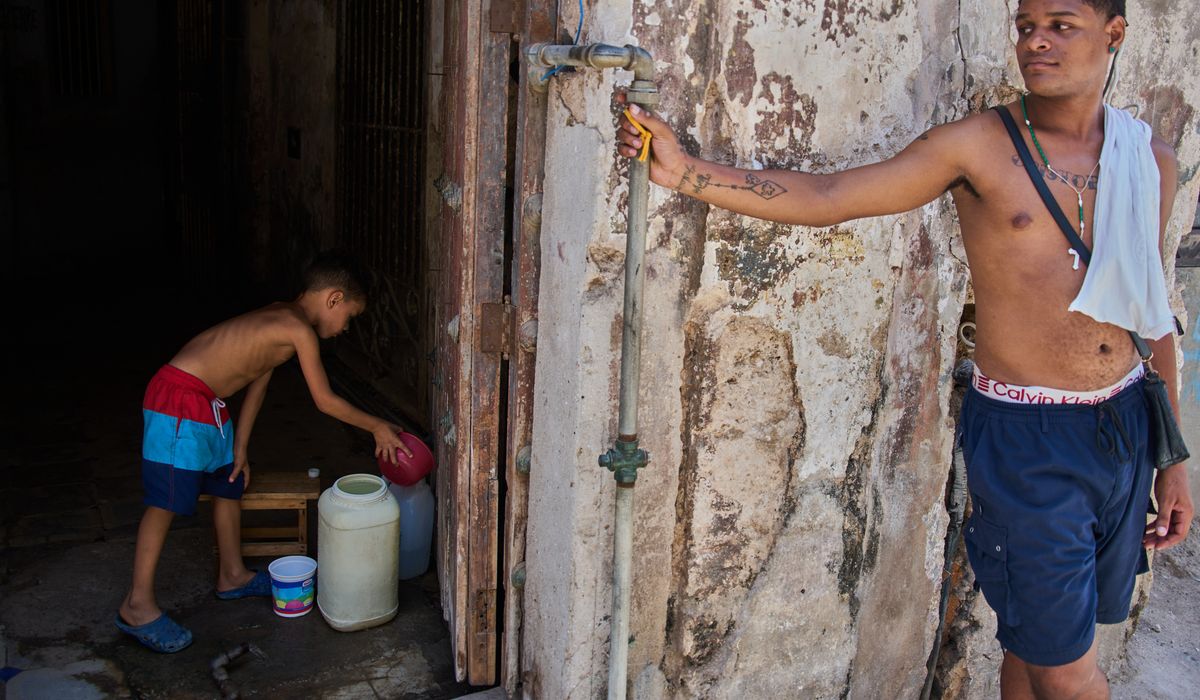
Cuba experienced a nationwide blackout when the National Electric System, or SEN, failed again on Tuesday, leaving the entire island without power; this marks the third such outage in two weeks amid problems tied to U.S. oil supplies and mounting energy strain.
The latest collapse of the SEN plunged homes, hospitals, and factories into darkness and raised fresh alarms about the island’s ability to keep the lights on. Officials confirmed the outage affected every province, underscoring how fragile the grid has become after repeated failures. Ordinary Cubans faced canceled medical appointments, stalled production lines, and disrupted daily life while authorities scrambled for explanations.
This was the third national blackout in a fortnight, a troubling pattern that has turned short interruptions into a recurring crisis. Power systems need steady fuel and reliable infrastructure, and when either is missing the whole network becomes vulnerable. For citizens, that means unpredictable outages and an erosion of confidence in public services that people depend on for work and health.
Energy experts point to several causes that often combine to bring systems down: aging equipment, a lack of maintenance, and inconsistent fuel deliveries. Cuba’s grid was built decades ago and has seen only limited upgrades, making it sensitive to temperature spikes, storms, and sudden demand surges. When maintenance is deferred and spare parts are scarce, a single fault can cascade into a countrywide failure.
The reference to U.S. oil in reports reflects the complex international dimension of Cuba’s fuel supply chain. Sanctions, shipping disruptions, and market shifts can all affect whether fuel arrives on schedule and in sufficient quantities. When fuel for generators or thermal plants is delayed, utilities operate on thinner reserves and any hiccup becomes more dangerous for grid stability.
Hospitals and emergency services generally have backup generators, but extended blackouts stress even those protections. Medical staff must ration resources, rely on stored supplies, and improvise care when power is intermittent. For people with medical devices or chronic conditions, these outages are not just inconvenient, they can be life threatening.
Businesses and factories also feel the pain: production stops, refrigeration fails, and perishable goods are at risk. Small entrepreneurs who run restaurants or shops face lost income and spoiled stock, and larger state-run industries see delays that ripple through supply chains. The economic cost of repeated blackouts adds up quickly, hitting households and the national economy alike.
Grid resilience requires more than temporary fixes; it needs investment in maintenance, diversification of fuel sources, and upgrades to transmission and generation. That means the hard choices of funding long-term projects and prioritizing spare parts and technical training. Without those investments, risks remain high and citizens keep paying the price when systems break down.
While immediate repairs and emergency responses are necessary to restore service and care for vulnerable people, sustainable reliability comes from planning and resourcefulness. Policymakers who can secure dependable fuel, foster system upgrades, and streamline procurement will reduce the chance of repeat nationwide failures. For now, Cubans face another round of disruption and uncertainty while officials work to bring power back and prevent the next collapse.

