

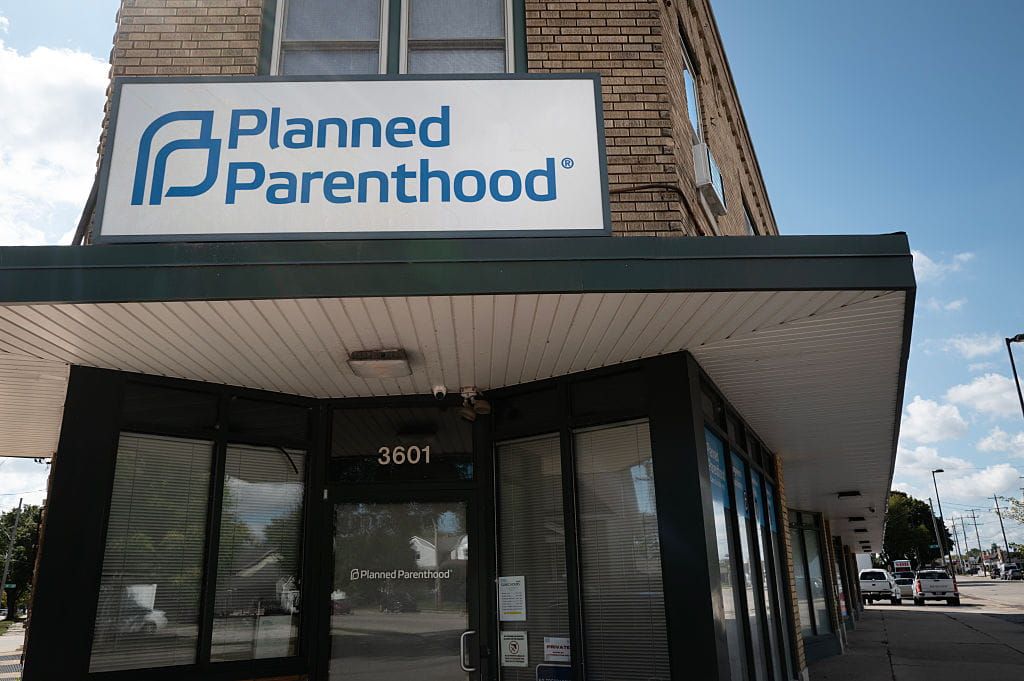
Planned Parenthood can once again receive federal funding after the one-year ban created by the One Big Beautiful Bill Act expired on July 5, returning Medicaid access for non-abortion care and reigniting calls from anti-abortion activists for the GOP to act.
The One Big Beautiful Bill Act, known as OBBB, included a temporary restriction that successfully cut off federal reimbursements to Planned Parenthood for a year. That pause ended on July 5 because Senate procedures limited how long the defunding could last. With the ban gone, the organization becomes eligible for federal Medicaid money for non-abortion services once more.
What this restores is narrow on paper but broad in effect. Under the Hyde Amendment, federal funding cannot be used for most abortions or “health benefits coverage that includes abortion,” according to the Congressional Research Service. The restriction does not include “abortions of pregnancies that are the result of rape or incest (‘rape or incest exception’), or where a woman would be in danger of death if an abortion is not performed (‘life-saving exception’).”
Even guarded funding can have ripple effects inside a health system. When Medicaid dollars flow to a provider for legitimate services, they can free up that provider’s other funds to cover different operations, including abortion-related activities paid for from separate revenue streams. That fungibility is the core complaint from many conservative lawmakers and activists who say taxpayers end up subsidizing things they morally oppose.
Lila Rose, who heads the anti-abortion organization Live Action, framed the lapse in stark moral terms and demanded immediate action. “President Trump and Congress must act as fast as possible to restore and extend the defunding of Planned Parenthood and every organization that commits abortion,” Rose said in a statement. Her language reflects a straightforward demand for renewed, sustained pressure from Republican leaders.
Senate conservatives have been equally blunt about the funding problem. “We cannot require Americans who have moral objections to this practice of abortion – religious objections, in so many cases – to violate their deepest convictions with their taxpayer money,” Sen. Todd Young (R-IN) told Restoration News. He followed with a practical image of how public money can be redirected inside an organization: “They may be used to fix the roof, but then the money that was set aside for the capital budget is used to perform unacceptable and morally objectionable abortions,” he added.
Those claims fuel the political fight because Planned Parenthood’s own filings show large federal flows. The organization reported $832 million in “Government Health Services Reimbursements & Grants” in fiscal year 2024–2025, a figure that represented nearly 40% of its revenue. That same annual report says Planned Parenthood performed 434,450 abortions in that period and that affiliates “disbursed $3.7 million to more than 12,200 patients to help them overcome barriers to abortion care — providing funding for transportation, lodging, meals, and dependent care while traveling to appointments.”
Anti-abortion groups also argue the OBBB ban was already having teeth. According to a report from Planned Parenthood Action Fund, the earlier defunding prompted dozens of health center closures, which conservatives interpret as proof the pause worked. For Republicans, that result is both a policy win and a warning: interruptions in federal reimbursements change behavior and shrink an organization’s footprint.
Now the question for GOP leaders is what to do next. Activists want the pause not only restored but expanded, and they want it done quickly and permanently rather than as a one-year fix that vanishes under Senate technicalities. The choice is political as much as legislative: Republican lawmakers must weigh whether to push a renewed ban through Congress or let the funding quietly resume and be defended as narrow, legally permissible support for non-abortion services.
The issue lands squarely on conservative priorities heading into the next election cycle, with pro-life voters watching for decisive moves. Republicans crafted OBBB to target Planned Parenthood, but Senate rules kept that targeting temporary; that same procedural reality now shapes the debate over whether to try again and how broadly to aim. Whatever the next steps, the dispute over federal dollars and moral responsibility is back at the center of GOP policymaking and messaging.

