

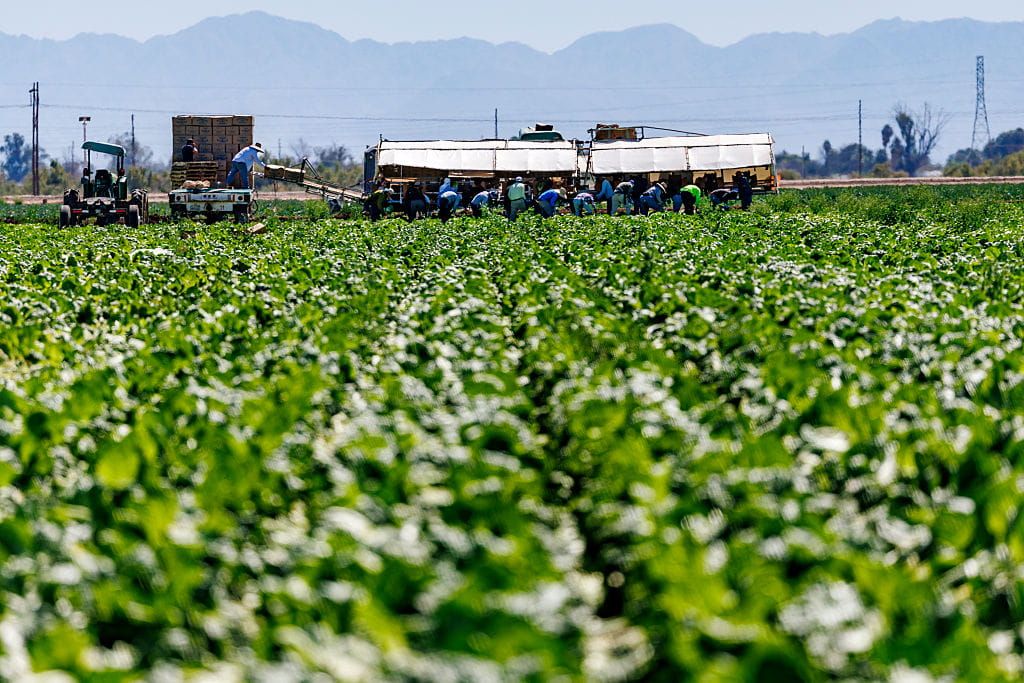
Republican lawmakers pushed the Securing Agriculture’s Workforce Act through with language that creates a route to H‑2A status for some unauthorized farmworkers, sparking fierce backlash from immigration hawks who call it amnesty and prompting heated debate about labor shortages, enforcement, and political promises.
The bill, introduced by House Agriculture Chair G.T. Thompson, would allow certain farmworkers who have been employed in agriculture since May 31, 2026 to seek H‑2A visas. The H‑2A program exists to let American employers bring foreign nationals to the United States for temporary agricultural work, and this measure folds a pathway to that program into broader farm labor policy. Supporters in agriculture applaud the move as practical, while critics see a political and enforcement problem.
Under the proposal, qualifying illegal immigrant farmworkers could receive waivers that lead them toward temporary legal status, and the measure also includes provisions that limit employer accountability when illegal hires are involved. That combination is the main flash point for opponents who argue it rewards lawbreaking and undermines deterrence. Nearly 50 House Republicans signed on to the legislation, making it a GOP-backed effort despite the partisan heat.
Thompson framed the change as fixing labor gaps while the border is under control, writing, “With the border now secure, it is time to address these shortcomings and provide fair and legal pathways for all of agriculture to obtain workers when they are unable to find U.S. citizens willing to perform these noble but arduous tasks,” Thompson wrote in a letter obtained by Politico late last month. That language is meant to reassure voters worried about border security while opening new legal channels for growers.
The immediate reaction from parts of the Republican base was harsh and vocal. “We voted for Trump specifically to solve the immigration problem, to get mass deportations, that’s what was promised,” said Republican Randy Westlund, mayor of Post Falls, Idaho. That anger reflects a deeper fear among some voters that any form of temporary status equals amnesty and chips away at campaign pledges.
Government data feed the controversy. The Department of Labor’s National Agricultural Workers Survey reports that between 37% and 47% of crop-producing farmworkers were unauthorized to work in the United States between 2021 and 2022, a range that translates to roughly 327,000 farmworkers on U.S. crop-producing farms. Because the survey excludes dairy, poultry, hog, and other livestock-related workers, the actual total of unauthorized agricultural labor is likely higher than that figure suggests.
Anger from immigration hardliners peaked on social media and in conservative circles. Former U.S. Border Patrol commander Gregory Bovino wrote on X: “These Republicans just stabbed Trump’s deportation promise in the back with an amnesty farm bill. They’re only gonna [sic] get the message one way. Vote every single one of them out in a massive wave, and replace them with real immigration hawks. Anything less, and they’ll never take us seriously.” Florida Governor Ron DeSantis added, “No amnesty! Amnesty is NOT what people voted for in 2024!”
The House Freedom Caucus and other conservative groups publicly mocked the legislation and warned of political fallout. That pressure exposes a split between lawmakers who prioritize agricultural relief and those who prioritize strict immigration enforcement, and it raises questions about which faction will shape GOP policy going forward. Internal Republican divisions now center on whether practical fixes for farms are worth the political cost.
President Trump, when asked, said he was not familiar with the specific bill but would “take a look at it.” That response leaves the measure in a limbo where White House attention could swing the debate either toward acceptance or further rejection by the base. Until the administration signals a clear stance, the bill’s backers and detractors will keep pitching their competing priorities to rank-and-file voters and members of Congress.
Policy arguments on the ground sharpen the choice. Agricultural employers and some economists warn that mass deportations could worsen labor shortages, while critics counter that cheap, unauthorized labor suppresses wages and discourages domestic hiring. Republicans who back the bill argue it protects harvests and food supply; opponents say it betrays enforcement promises and normalizes illegal presence by turning it into a ticket to legal work.
Whatever the outcome, the debate over the Securing Agriculture’s Workforce Act highlights a classic clash: practical labor needs versus strict immigration enforcement, with political consequences for a party that must balance governing realities against a base demanding tough action. The conversation will continue as lawmakers, voters, and farm operators sort through the tradeoffs and the next legislative moves unfold.

