

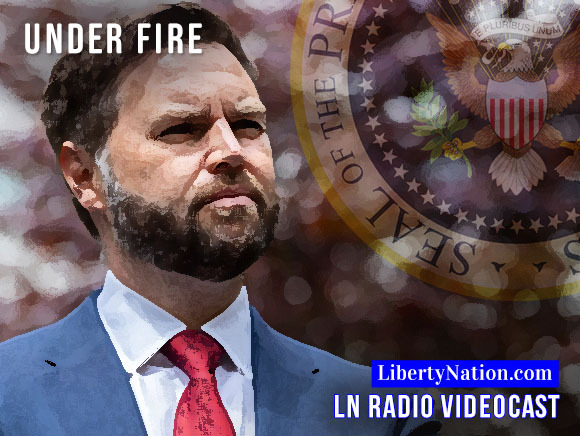
Vice President JD Vance faces mounting doubts inside the Republican coalition as 2028 nears, with strategic choices, public missteps, and internal rivalries testing his viability.
With talk of Hamilton and Burnham, Vice President JD Vance seems on the verge of torching his presidential hopes. The line is sharp: invoking heavyweight founders or obscure intellectuals doesn’t translate to votes, and it can alienate the populist energy that helped elevate him. Political theater matters in primary season, and every misstep is amplified.
Vance’s rise was tied to bold appeals—straight talk on culture and an emphasis on economic nationalism—yet recent moves give opponents room to paint him as out of step. Republicans want results and authenticity more than philosophical flash. When rhetoric drifts toward elite debates, rank-and-file voters tune out and rivals pounce.
Inside the party, the calculus is brutal. Donors and operatives watch polling, but grassroots enthusiasm drives primaries, and that enthusiasm can be fragile. If the base senses hedging or confusion, other figures will step forward quickly, hoping to close the gap before 2028 becomes a crowded field. Timing and clarity matter more than clever lines.
Media narratives are another hazard. Reporters love a storyline of a frontrunner unraveling, and they’ll splice quotations to fit that arc. Vance’s critics are already using soundbites about alliances and advisers to question his independence. In a town that trades in instant verdicts, a misread interview or a misstated plan becomes a long-running theme.
Policy positioning creates friction too. Conservatives expect a clear agenda on immigration, trade, and national security—areas where Vance has staked claims but sometimes leaves room for doubt. Ambiguity on specifics invites attacks from both the right and the center, and it’s the kind of exposure that opponents exploit in debates and ads. A candidate who moves faster on policy wins credibility.
Personality and perception shape electability. Vance’s bluntness can be an asset when it reads as courage, but it can also look reckless when it clashes with steady-state governance talk. Republican voters appreciate toughness, but they also want competence and discipline. Striking that balance is a political art many hopefuls never master.
Organizational strength is the quiet factor that decides primaries. Staffing, fundraising, and ground operations win votes, and those systems are sensitive to doubt. If major donors or key operatives begin hedging, momentum can flip quickly. A candidate with a shaky message but strong organization can survive; the reverse is rare.
Competition from the party’s established names is inevitable. Figures who represent continuity or a different conservative wing will court voters who prefer predictability over experimentation. In that fight, clarity about core values becomes a weapon. Vance’s team must choose which fights to take and which to avoid, because every skirmish drains resources and attention.
There’s also a cultural dimension that can’t be ignored. The conservative coalition spans traditional Republicans, populists, and reform-minded libertarians, each with distinct priorities. A candidate who looks like a bridge to all can sometimes be a bridge to none. Navigating those currents requires plain messaging and fewer academic references that confuse the electorate.
The coming months will be decisive, and 2028 is already shaping the field. For a Republican voter worried about electability and principle, the question isn’t just who can talk smart, it’s who can deliver, unite, and win. Vance’s path is narrow—filled with strategic forks and public scrutiny—and how he responds will determine whether his shot at the nomination survives the next cycle.

